
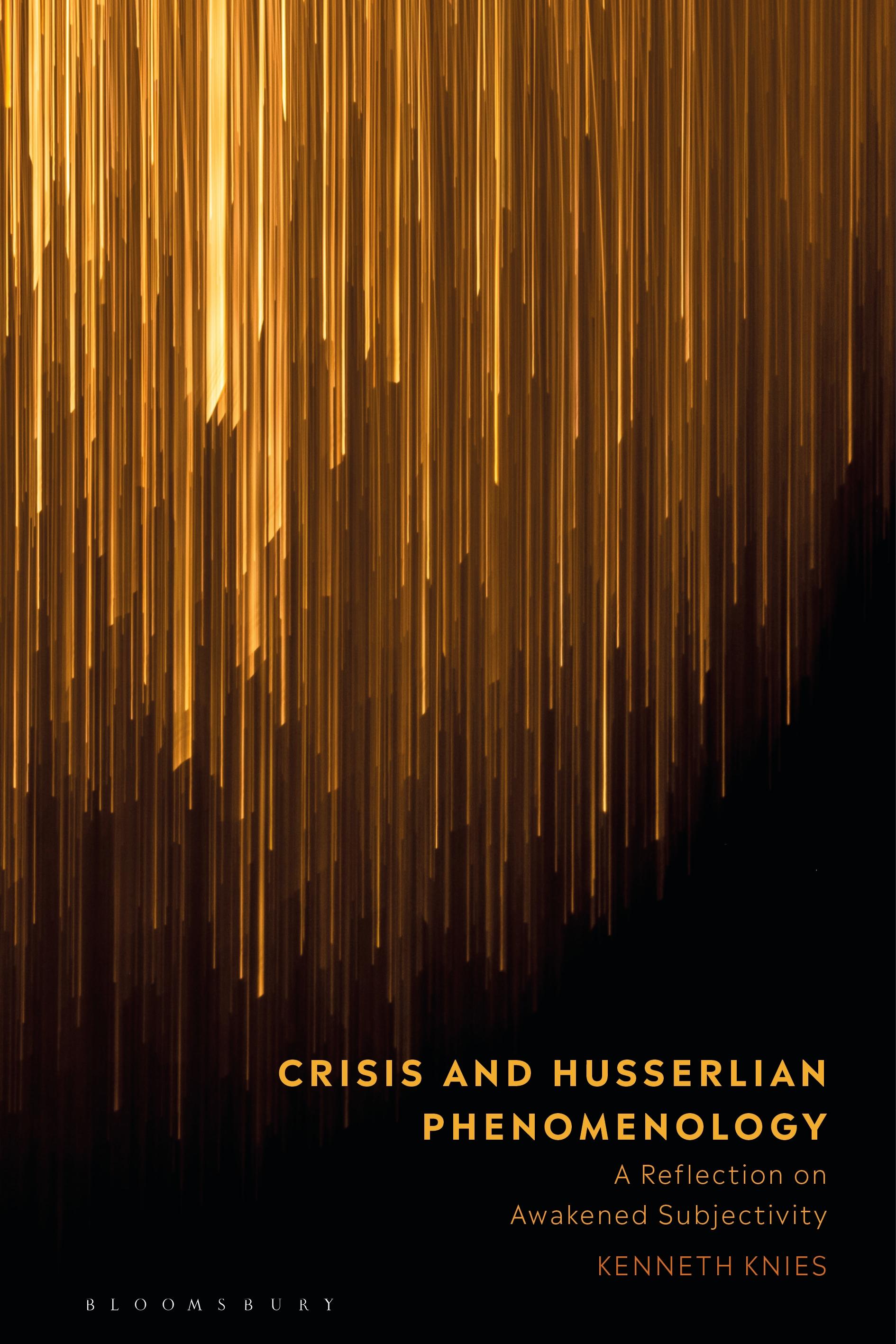
Shedding new light on the theme of "crisis" in Husserl's phenomenology, this book reflects on the experience of awakening to one's own naïveté. Beginning from everyday examples, Knies examines how this awakening makes us culpable for not having noticed what was noticeable. He goes on to apply this examination to fundamental issues in phenomenology, arguing that the appropriation of naïve life has a different structure from the reflection on pre-reflective life. Husserl's work on the "crisis" is presented as an attempt to integrate this appropriation into a systematic transcendental philosophy.
Crisis and Husserlian Phenomenology brings Husserl into dialogue with other key thinkers in Continental philosophy such as Descartes, Kant, Heidegger, Merleau-Ponty and Derrida. It is suitable for students and scholars alike, especially those interested in subjectivity, responsibility and the philosophy of history.
Crisis and Husserlian Phenomenology brings Husserl into dialogue with other key thinkers in Continental philosophy such as Descartes, Kant, Heidegger, Merleau-Ponty and Derrida. It is suitable for students and scholars alike, especially those interested in subjectivity, responsibility and the philosophy of history.
Pay easily by card, Klarna, Apple Pay or Google Pay. Not happy? You always have a 14-day money-back guarantee. Read more in our terms. If you have any questions, email us at hello@memmo.org.
Memmo makes studying easier – wherever you are in the world. We bring your course books and smart study tools together in one place: summaries, quizzes, podcasts and flashcards. Plus Ted, your study buddy who answers anything you wonder. Over 50,000 students already study here – built to help you learn faster and stress less.