
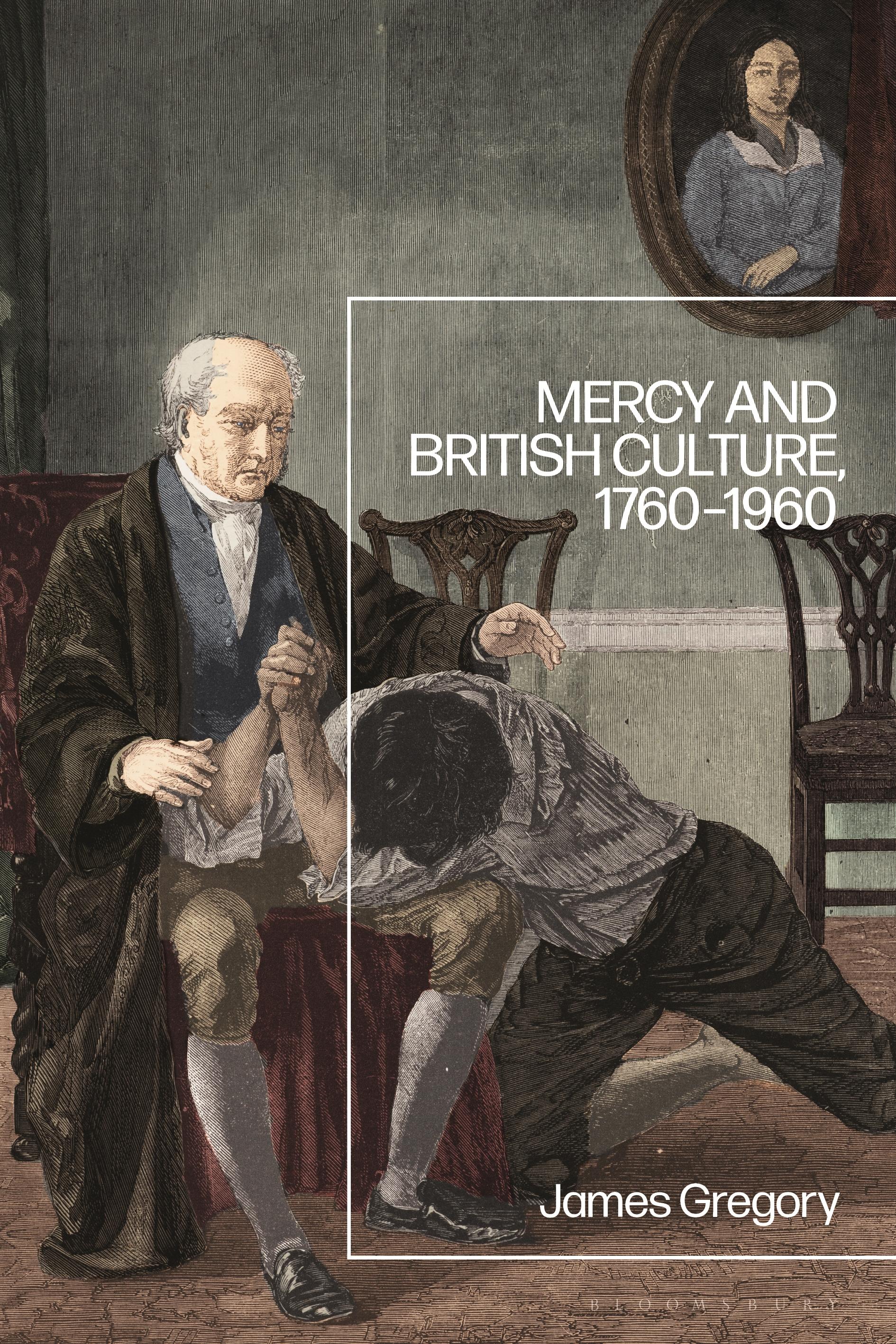
Spanning over 2 centuries, James Gregory's Mercy and British Culture, 1760 -1960 provides a wide-reaching yet detailed overview of the concept of mercy in British cultural history. While there are many histories of justice and punishment, mercy has been a neglected element despite recognition as an important feature of the 18th-century criminal code.
Mercy and British Culture, 1760-1960 looks first at mercy's religious and philosophical aspects, its cultural representations and its embodiment. It then looks at large-scale mobilisation of mercy discourses in Ireland, during the French Revolution, in the British empire, and in warfare from the American war of independence to the First World War. This study concludes by examining mercy's place in a twentieth century shaped by total war, atomic bomb, and decolonisation.
Mercy and British Culture, 1760-1960 looks first at mercy's religious and philosophical aspects, its cultural representations and its embodiment. It then looks at large-scale mobilisation of mercy discourses in Ireland, during the French Revolution, in the British empire, and in warfare from the American war of independence to the First World War. This study concludes by examining mercy's place in a twentieth century shaped by total war, atomic bomb, and decolonisation.
Pay easily by card, Klarna, Apple Pay or Google Pay. Not happy? You always have a 14-day money-back guarantee. Read more in our terms. If you have any questions, email us at hello@memmo.org.
Memmo makes studying easier – wherever you are in the world. We bring your course books and smart study tools together in one place: summaries, quizzes, podcasts and flashcards. Plus Ted, your study buddy who answers anything you wonder. Over 50,000 students already study here – built to help you learn faster and stress less.