
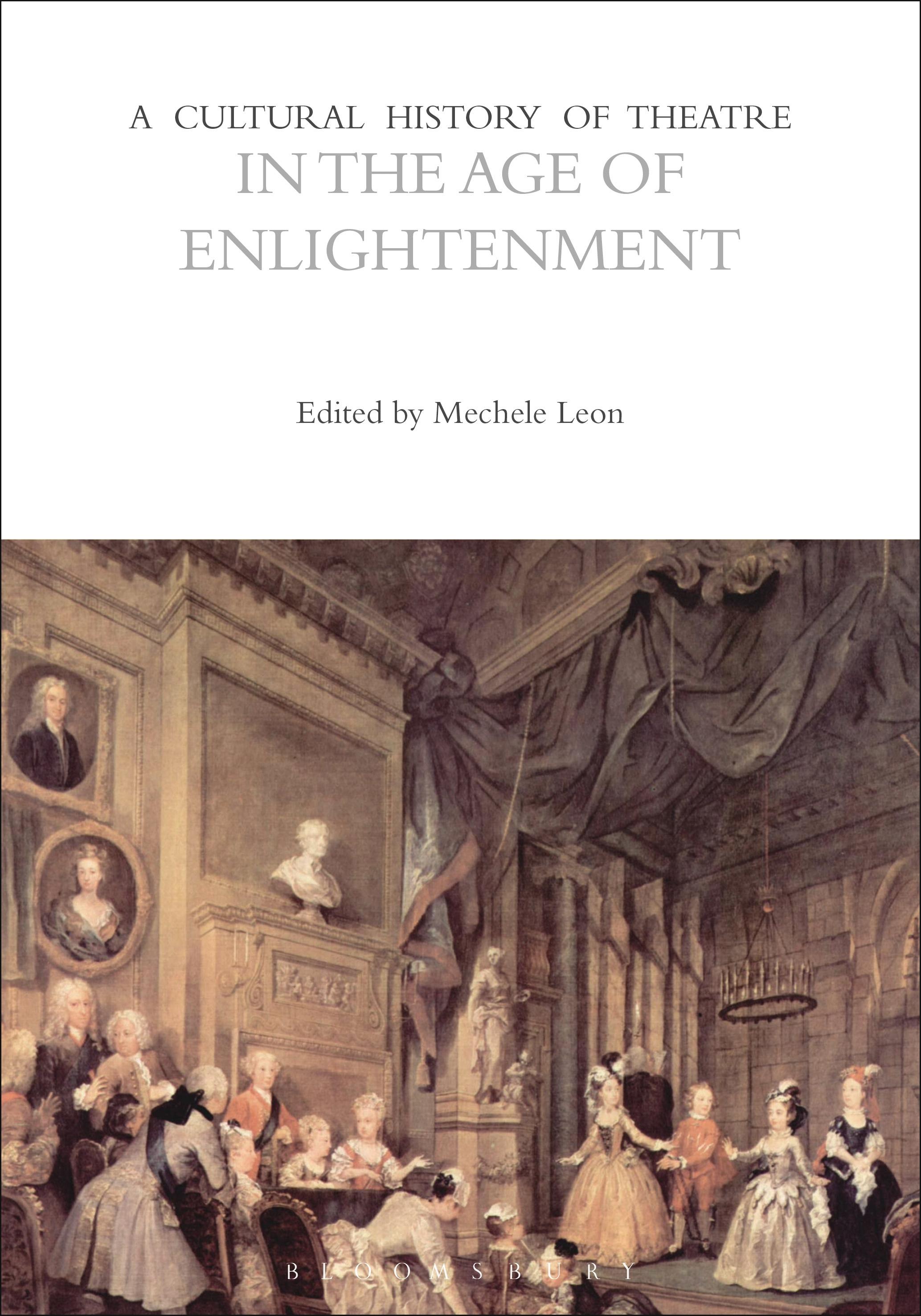
French philosopher Jean-Jacques Rousseau wrote, 'the general effect of the theatre is to strengthen the national character to augment the national inclinations, and to give a new energy to all the passions'. During the Enlightenment, the advancement of radical ideas along with the emergence of the bourgeois class contributed to a renewed interest in theatre's efficacy, informed by philosophy yet on behalf of politics. While the 18th century saw a growing desire to define the unique and specific features of a nation's drama, and audiences demanded more realistic portrayals of humanity, theatre is also implicated in this age of revolutions. A Cultural History of Theatre in the Age of Enlightenment examines these intersections, informed by the writings of key 18th-century philosophers.
Richly illustrated with 45 images, the ten chapters each take a different theme as their focus: institutional frameworks; social functions; sexuality and gender; the environment of theatre; circulation; interpretations; communities of production; repertoire and genres; technologies of performance; and knowledge transmission.
Richly illustrated with 45 images, the ten chapters each take a different theme as their focus: institutional frameworks; social functions; sexuality and gender; the environment of theatre; circulation; interpretations; communities of production; repertoire and genres; technologies of performance; and knowledge transmission.
Pay easily by card, Klarna, Apple Pay or Google Pay. Not happy? You always have a 14-day money-back guarantee. Read more in our terms. If you have any questions, email us at hello@memmo.org.
Memmo makes studying easier – wherever you are in the world. We bring your course books and smart study tools together in one place: summaries, quizzes, podcasts and flashcards. Plus Ted, your study buddy who answers anything you wonder. Over 75,000 students already study here – built to help you learn faster and stress less.