
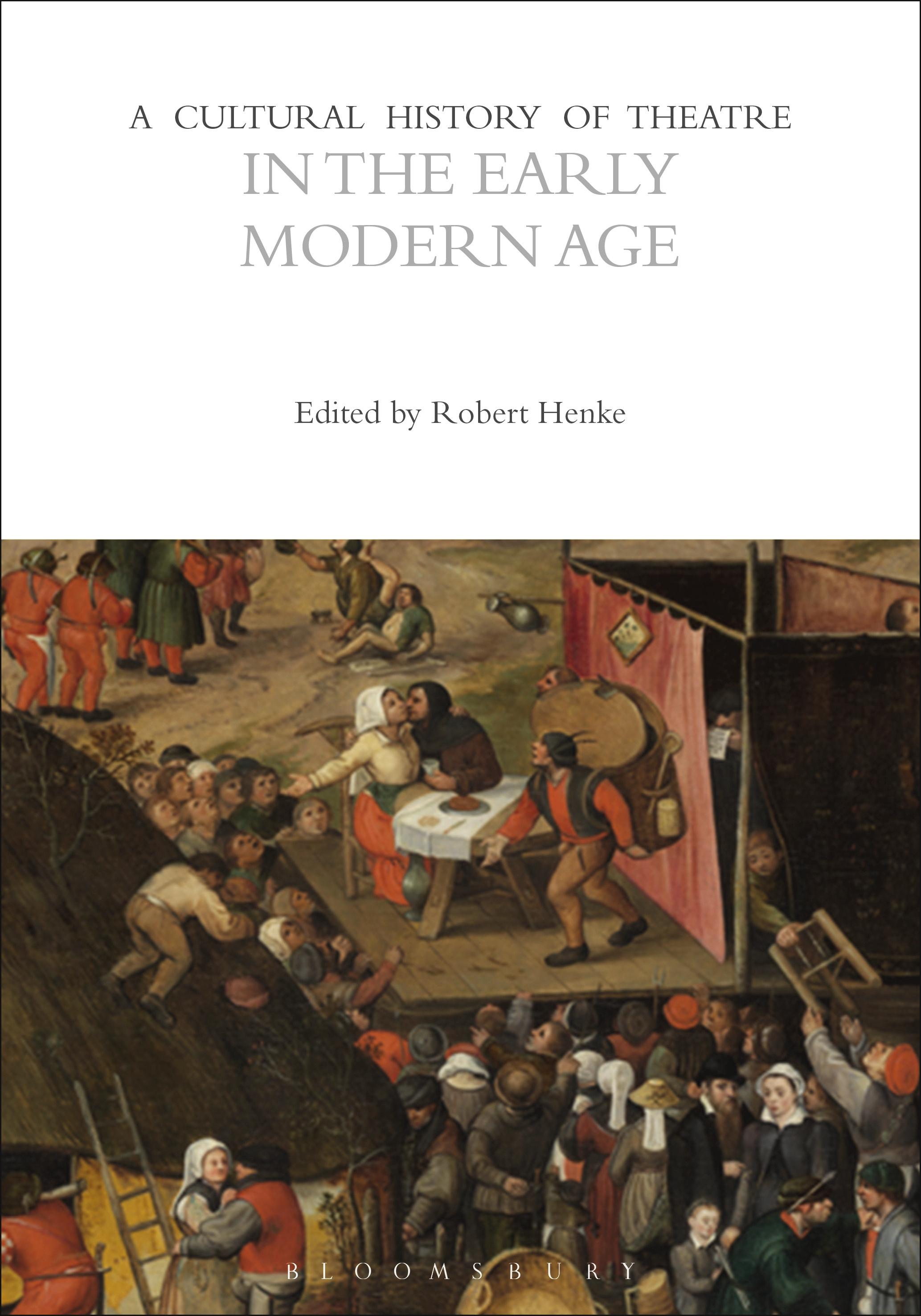
For both producers and consumers of theatre in the early modern era, art was viewed as a social rather than an individual activity. Emerging in the context of new capitalistic modes of production, the birth of the nation state and the rise of absolute monarchies, theatre also proved a highly mobile medium across geolinguistic boundaries. This volume provides a comprehensive and interdisciplinary overview of the cultural history of theatre from 1400 to 1650, and examines the socioeconomically heterodox nature of theatre and performance during this period.
Highly illustrated with 48 images, the ten chapters each take a different theme as their focus: institutional frameworks; social functions; sexuality and gender; the environment of theatre; circulation; interpretations; communities of production; repertoire and genres; technologies of performance; and knowledge transmission.
Highly illustrated with 48 images, the ten chapters each take a different theme as their focus: institutional frameworks; social functions; sexuality and gender; the environment of theatre; circulation; interpretations; communities of production; repertoire and genres; technologies of performance; and knowledge transmission.
Pay easily by card, Klarna, Apple Pay or Google Pay. Not happy? You always have a 14-day money-back guarantee. Read more in our terms. If you have any questions, email us at hello@memmo.org.
Memmo makes studying easier – wherever you are in the world. We bring your course books and smart study tools together in one place: summaries, quizzes, podcasts and flashcards. Plus Ted, your study buddy who answers anything you wonder. Over 75,000 students already study here – built to help you learn faster and stress less.