
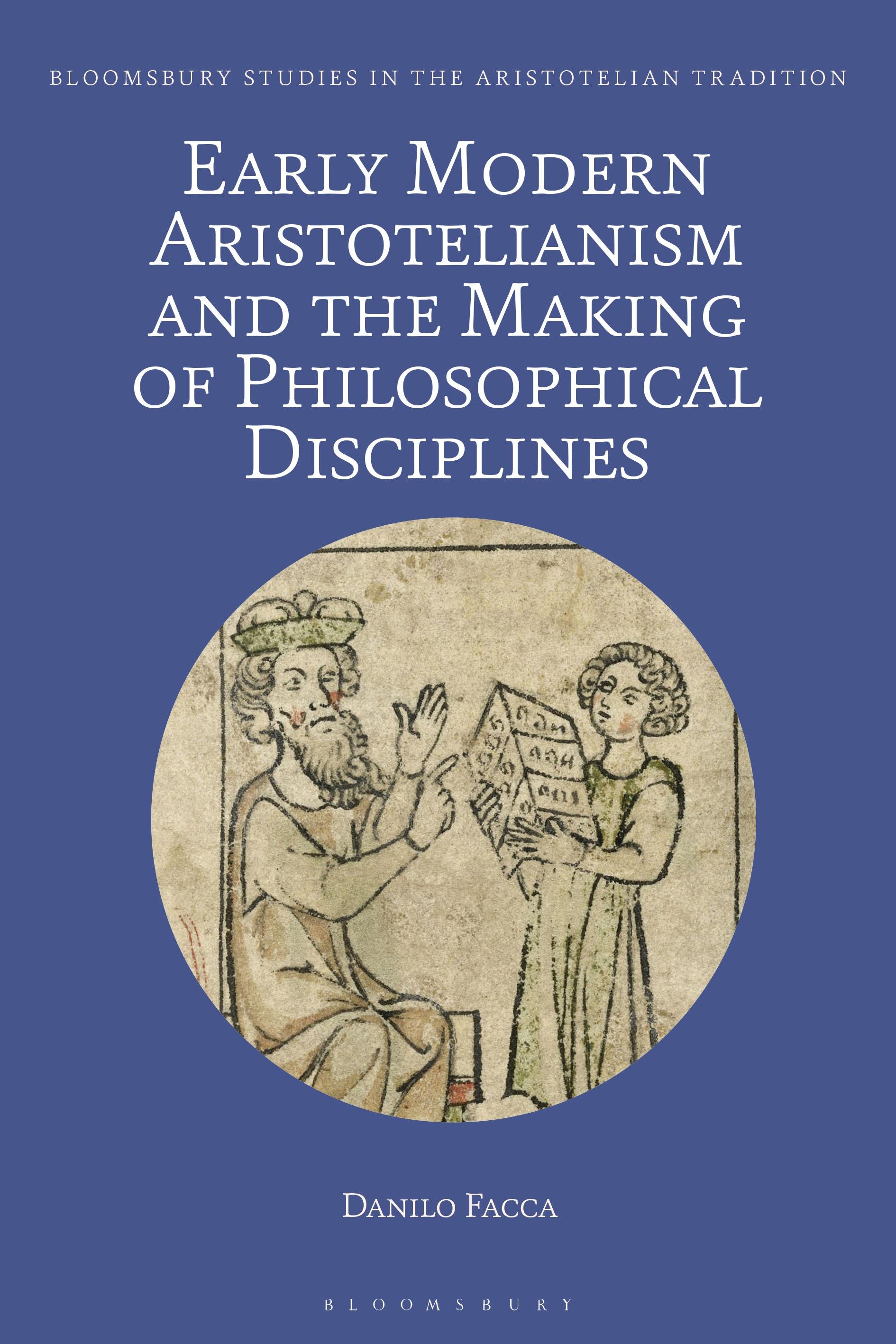
Danilo Facca investigates the contribution of Aristotelianism in the emergence of a system of philosophical disciplines for schools and universities in the late Renaissance and Early Modern age.
Facca charts the intellectual context of this process, focusing on the interpretation of Aristotelianism at renowned German, Italian and Polish centres of study including Milan, Padua, Altdorf, Helmstedt, Torun and Gdansk, at a time when the authority of the Aristotelian tradition was under direct threat from the dissemination of Peter Ramus' thought. Each chapter assesses engagement with and criticism of ideas from Aristotelian theoretical and practical philosophy. They bring together the writings of major figures, including Peter Ramus and Bartholomäus Keckermann, and lesser-known academics who have not received sufficient recognition in existing literature, such as Ottaviano Ferrari, Philipp Scherb, Ernst Soner and Franz Tidike.
By discussing the relationship of these academics with the Aristotelian legacy, this book reveals how innovative ideas that emerged during the late-sixteenth and early-seventeenth centuries were actually formed through the reworking, and even distortion of concepts originally derived from Aristotle.
Facca charts the intellectual context of this process, focusing on the interpretation of Aristotelianism at renowned German, Italian and Polish centres of study including Milan, Padua, Altdorf, Helmstedt, Torun and Gdansk, at a time when the authority of the Aristotelian tradition was under direct threat from the dissemination of Peter Ramus' thought. Each chapter assesses engagement with and criticism of ideas from Aristotelian theoretical and practical philosophy. They bring together the writings of major figures, including Peter Ramus and Bartholomäus Keckermann, and lesser-known academics who have not received sufficient recognition in existing literature, such as Ottaviano Ferrari, Philipp Scherb, Ernst Soner and Franz Tidike.
By discussing the relationship of these academics with the Aristotelian legacy, this book reveals how innovative ideas that emerged during the late-sixteenth and early-seventeenth centuries were actually formed through the reworking, and even distortion of concepts originally derived from Aristotle.
Pay easily by card, Klarna, Apple Pay or Google Pay. Not happy? You always have a 14-day money-back guarantee. Read more in our terms. If you have any questions, email us at hello@memmo.org.
Memmo makes studying easier – wherever you are in the world. We bring your course books and smart study tools together in one place: summaries, quizzes, podcasts and flashcards. Plus Ted, your study buddy who answers anything you wonder. Over 50,000 students already study here – built to help you learn faster and stress less.