
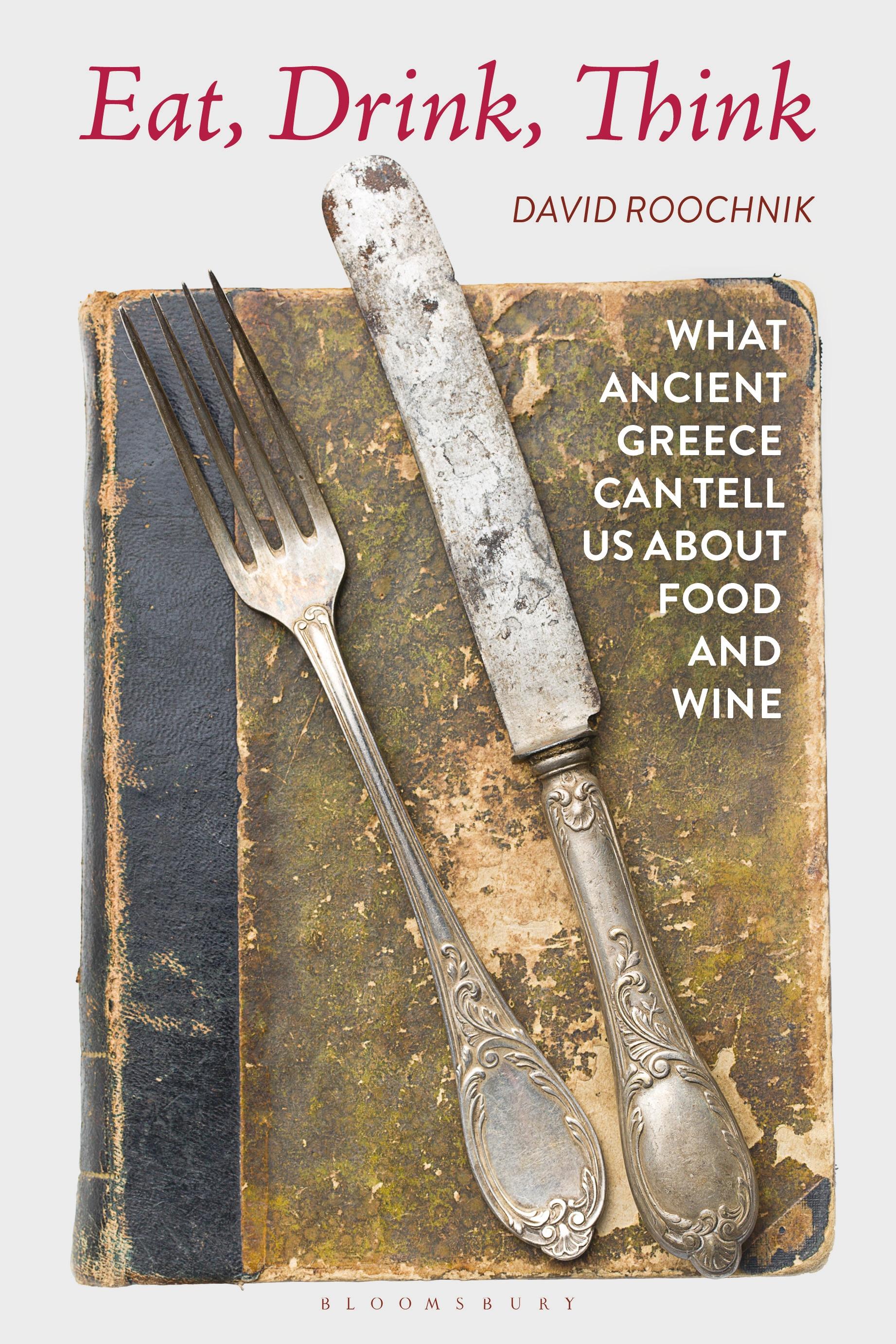
What role does food play in the shaping of humanity? Is sharing a good meal with friends and family an experience of life at its best, or is food merely a burdensome necessity? David Roochnik explores these questions by discussing classical works of Greek literature and philosophy in which food and drink play an important role.
With thoughts on Homer's The Odyssey, Euripides' Bacchae, Plato's philosopher kings and Dionysian intoxication, Roochnik shows how foregrounding food in philosophy can open up new ways of understanding these thinkers and their approaches to the purpose and meaning of life. The book features philosophical explanation interspersed with reflections from the author on cooking, eating, drinking and sharing meals, making it important reading for students of philosophy, classical studies, and food studies.
With thoughts on Homer's The Odyssey, Euripides' Bacchae, Plato's philosopher kings and Dionysian intoxication, Roochnik shows how foregrounding food in philosophy can open up new ways of understanding these thinkers and their approaches to the purpose and meaning of life. The book features philosophical explanation interspersed with reflections from the author on cooking, eating, drinking and sharing meals, making it important reading for students of philosophy, classical studies, and food studies.
Pay easily by card, Klarna, Apple Pay or Google Pay. Not happy? You always have a 14-day money-back guarantee. Read more in our terms. If you have any questions, email us at hello@memmo.org.
Memmo makes studying easier – wherever you are in the world. We bring your course books and smart study tools together in one place: summaries, quizzes, podcasts and flashcards. Plus Ted, your study buddy who answers anything you wonder. Over 50,000 students already study here – built to help you learn faster and stress less.