
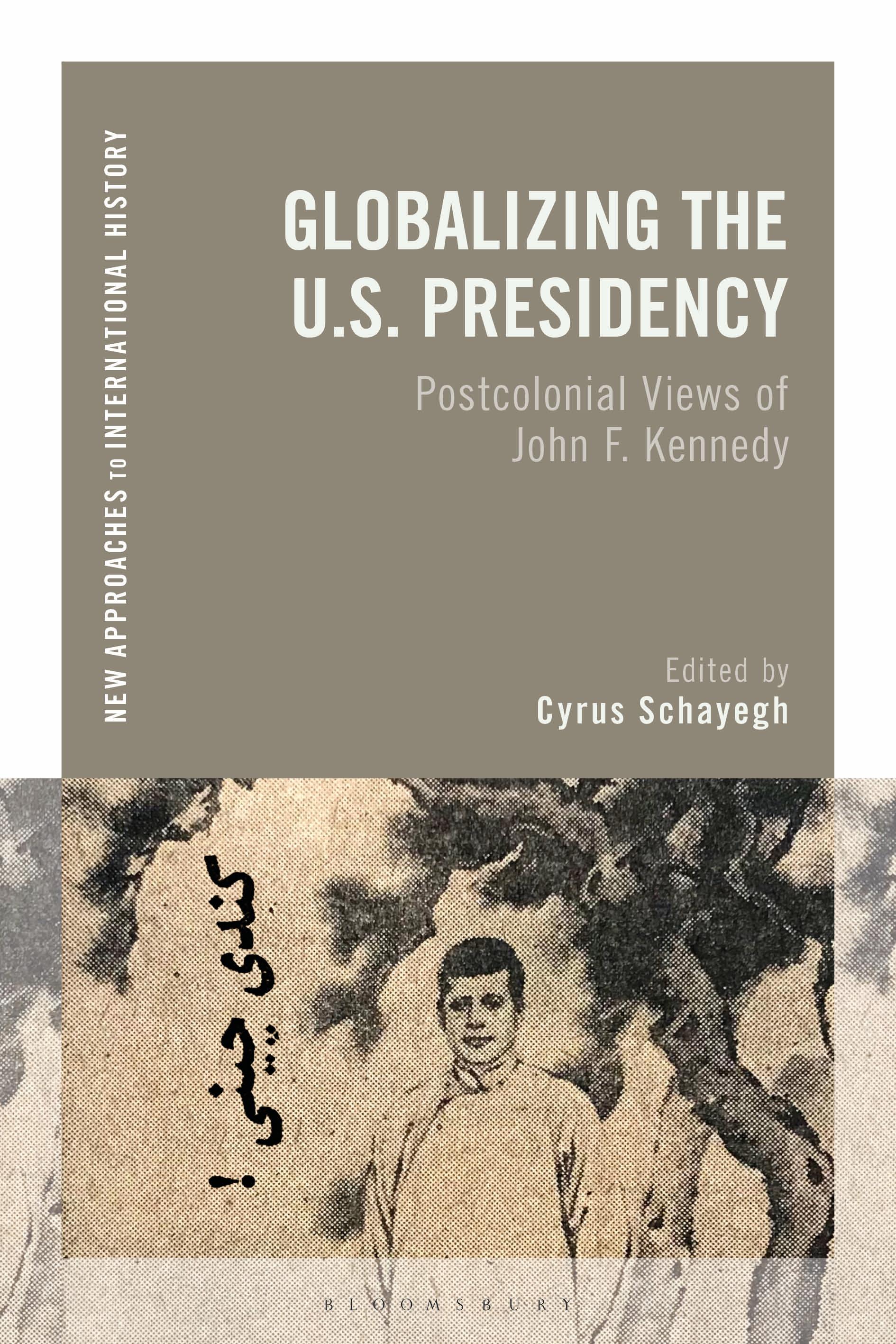
Using John F. Kennedy as a central figure and reference point, this volume explores how postcolonial citizens viewed the US president when peak decolonization met the Cold War. Exploring how their appropriations blended with their own domestic and regional realities, the chapters span sources, cases and languages from Latin America, Africa, Asia and Europe to explore the history of US and third world relations in a way that pushes beyond US-centric themes.
Examining a range of actors, Globalizing the U.S. Presidency studies various political, sociocultural and economic domestic and regional contexts during the Cold War era, and explores themes such as appropriation, antagonism and contestation within decolonisation. Attempting to both de-americanize and globalize John F. Kennedy and the US Presidency, the chapters examine how the perceptions of the president were fed by everyday experiences of national and international postcolonial lives. The many examples of worldwide interest in the US president at this time illustrate that this time was a historical turning point for the role of the US on the global stage. The hopes and fears of peaking decolonization, the resulting pressure on Washington, Moscow and other powers, and a new mediascape together ushered in a more comprehensive globalization of international politics, and a new meaning to 'the United States in the world'.
Examining a range of actors, Globalizing the U.S. Presidency studies various political, sociocultural and economic domestic and regional contexts during the Cold War era, and explores themes such as appropriation, antagonism and contestation within decolonisation. Attempting to both de-americanize and globalize John F. Kennedy and the US Presidency, the chapters examine how the perceptions of the president were fed by everyday experiences of national and international postcolonial lives. The many examples of worldwide interest in the US president at this time illustrate that this time was a historical turning point for the role of the US on the global stage. The hopes and fears of peaking decolonization, the resulting pressure on Washington, Moscow and other powers, and a new mediascape together ushered in a more comprehensive globalization of international politics, and a new meaning to 'the United States in the world'.
Pay easily by card, Klarna, Apple Pay or Google Pay. Not happy? You always have a 14-day money-back guarantee. Read more in our terms. If you have any questions, email us at hello@memmo.org.
Memmo makes studying easier – wherever you are in the world. We bring your course books and smart study tools together in one place: summaries, quizzes, podcasts and flashcards. Plus Ted, your study buddy who answers anything you wonder. Over 50,000 students already study here – built to help you learn faster and stress less.