
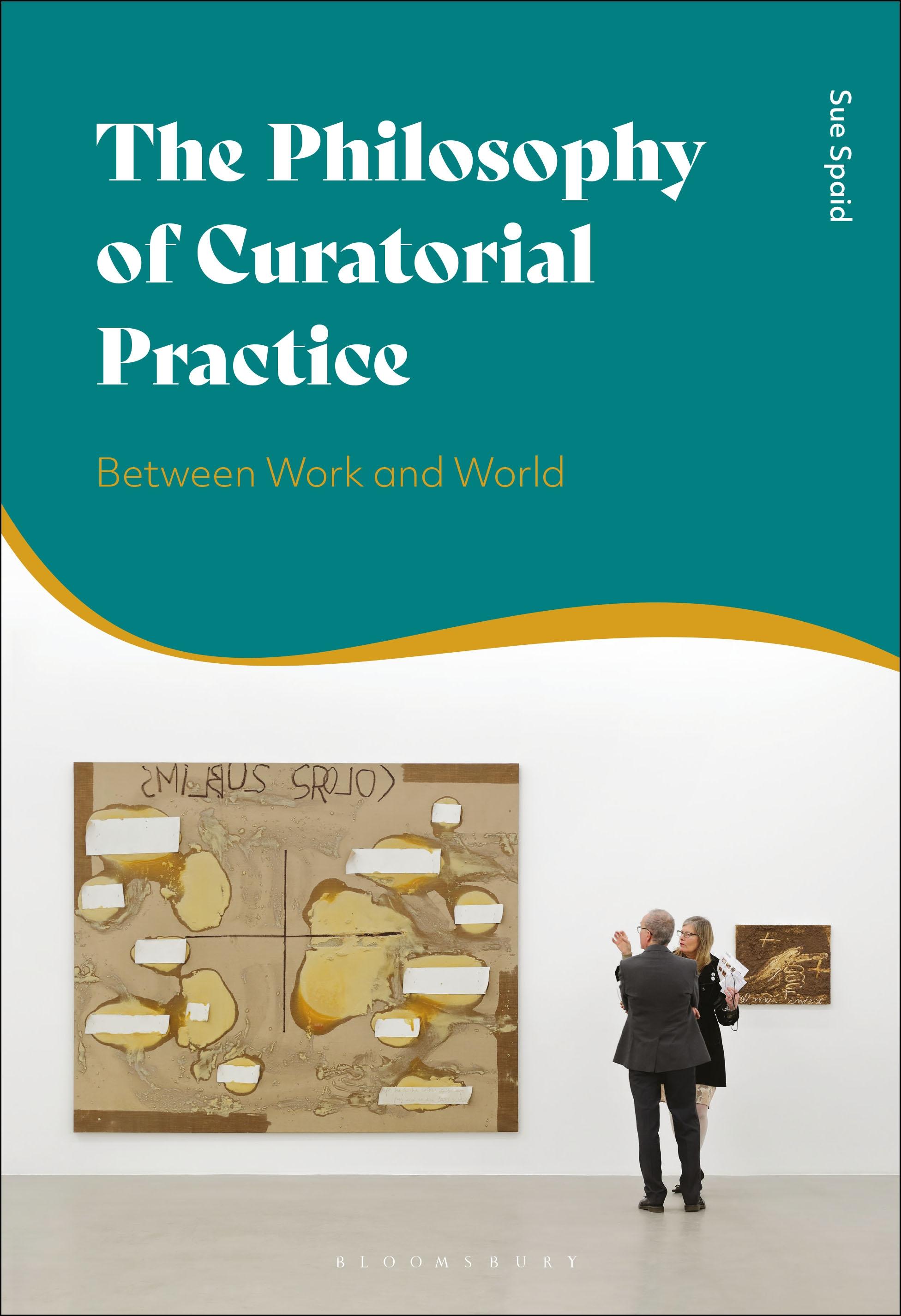
This book walks us through the process of how artworks eventually get their meaning, showing us how curated exhibitions invite audience members to weave an exhibition's narrative threads, which gives artworks their contents and discursive sense.
Arguing that exhibitions avail artworks as candidates for reception, whose meaning, value, and relevance reflect audience responses, it challenges the existing view that exhibitions present “already-validated” candidates for appreciation. Instead, this book stresses the collaborative nature of curatorial practices, debunking the twin myths of autonomous artists and sovereign artistic directors and treating presentation and reception as separate processes. Employing set theory to distinguish curated exhibitions from uncurated exhibitions, installation art and collections, it demonstrates how exhibitions grant spectators access to concepts that aid their capacity to grasp artifacts as artworks.
To inform and illuminate current debates in curatorial practice, Spaid draws on a range of case studies from Impressionism, Dada and Surrealism to more contemporary exhibitions such as Maurizio Cattelan “All” (2011) and “Damien Hirst” (2012). In articulating the process that cycles through exploration, interpretation, presentation and reception, curating bears resemblance to artistic direction more generally.
Arguing that exhibitions avail artworks as candidates for reception, whose meaning, value, and relevance reflect audience responses, it challenges the existing view that exhibitions present “already-validated” candidates for appreciation. Instead, this book stresses the collaborative nature of curatorial practices, debunking the twin myths of autonomous artists and sovereign artistic directors and treating presentation and reception as separate processes. Employing set theory to distinguish curated exhibitions from uncurated exhibitions, installation art and collections, it demonstrates how exhibitions grant spectators access to concepts that aid their capacity to grasp artifacts as artworks.
To inform and illuminate current debates in curatorial practice, Spaid draws on a range of case studies from Impressionism, Dada and Surrealism to more contemporary exhibitions such as Maurizio Cattelan “All” (2011) and “Damien Hirst” (2012). In articulating the process that cycles through exploration, interpretation, presentation and reception, curating bears resemblance to artistic direction more generally.
Pages: 280
Category: Konst, Design & Fotografi
e-ISBN: 9781350114913
Shipping weight: 1.2 kg
Ships in: 1-2 days
Pay easily by card, Klarna, Apple Pay or Google Pay. Not happy? You always have a 14-day money-back guarantee. Read more in our terms. If you have any questions, email us at hello@memmo.org.
Memmo makes studying easier – wherever you are in the world. We bring your course books and smart study tools together in one place: summaries, quizzes, podcasts and flashcards. Plus Ted, your study buddy who answers anything you wonder. Over 50,000 students already study here – built to help you learn faster and stress less.