
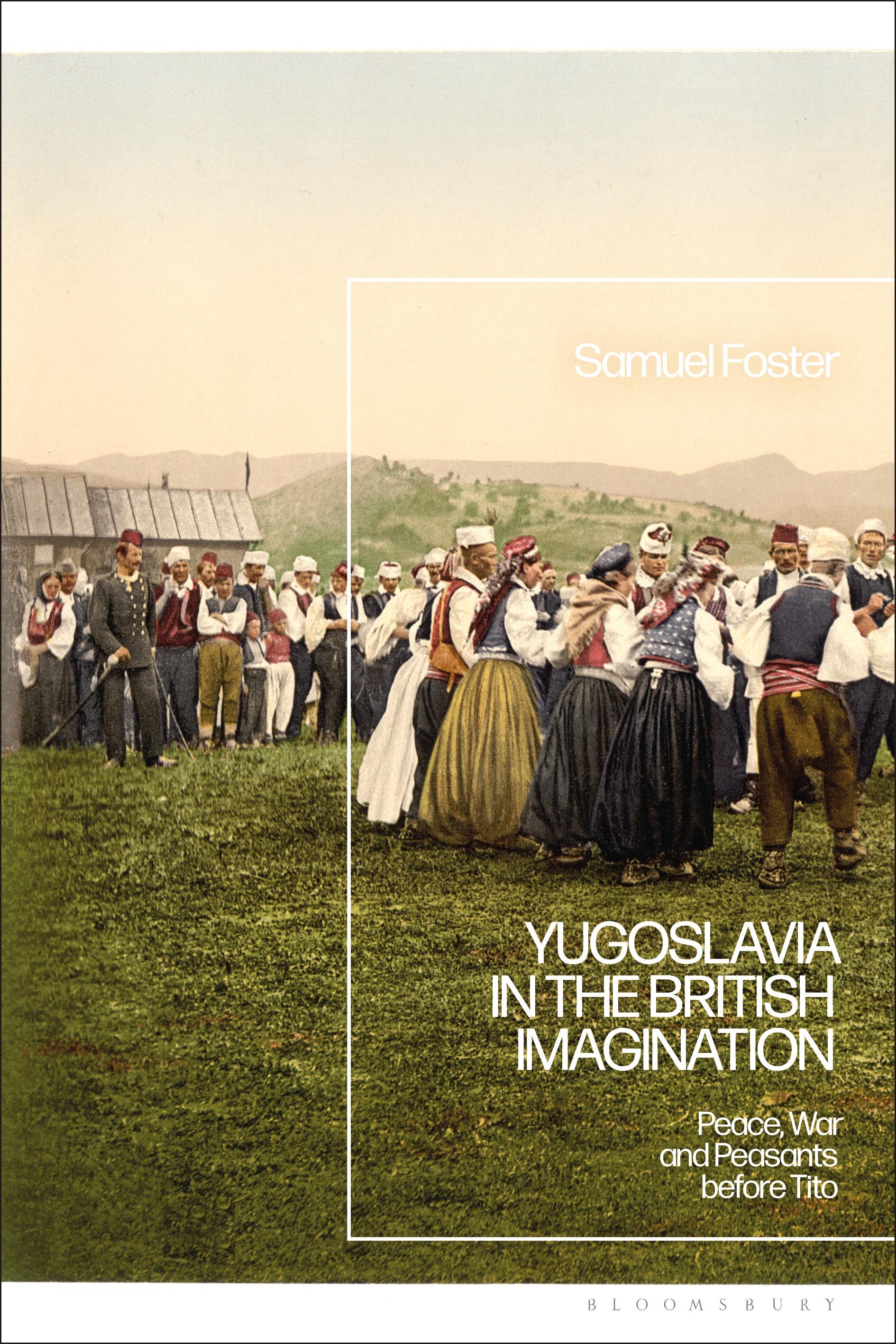
Despite Britain entering the 20th century as the dominant world power, public discourses were imbued with a cultural pessimism and rising social anxiety. Through this study, Samuel Foster explores how this changing domestic climate shaped perceptions of other cultures, and Britain's relationship to them, focusing on those Balkan territories that formed the first Yugoslavia from 1918 to 1941.
Yugoslavia in the British Imagination examines these connections and demonstrates how the popular image of the region's peasantry evolved from that of foreign 'Other' to historical victim - suffering at the hand of modernity's worst excesses and symbolizing Britain's perceived decline. This coincided with an emerging moralistic sense of British identity that manifested during the First World War. Consequently, Yugoslavia was legitimized as the solution to peasant victimization and, as Foster's nuanced analysis reveals, enabling Britain's imagined (and self-promoted) revival as civilization's moral arbiter.
Drawing on a range of previously unexplored archival sources, this compelling transnational analysis is an important contribution to the study of British social history and the nature of statehood in the modern Balkans.
Yugoslavia in the British Imagination examines these connections and demonstrates how the popular image of the region's peasantry evolved from that of foreign 'Other' to historical victim - suffering at the hand of modernity's worst excesses and symbolizing Britain's perceived decline. This coincided with an emerging moralistic sense of British identity that manifested during the First World War. Consequently, Yugoslavia was legitimized as the solution to peasant victimization and, as Foster's nuanced analysis reveals, enabling Britain's imagined (and self-promoted) revival as civilization's moral arbiter.
Drawing on a range of previously unexplored archival sources, this compelling transnational analysis is an important contribution to the study of British social history and the nature of statehood in the modern Balkans.
Pay easily by card, Klarna, Apple Pay or Google Pay. Not happy? You always have a 14-day money-back guarantee. Read more in our terms. If you have any questions, email us at hello@memmo.org.
Memmo makes studying easier – wherever you are in the world. We bring your course books and smart study tools together in one place: summaries, quizzes, podcasts and flashcards. Plus Ted, your study buddy who answers anything you wonder. Over 50,000 students already study here – built to help you learn faster and stress less.