
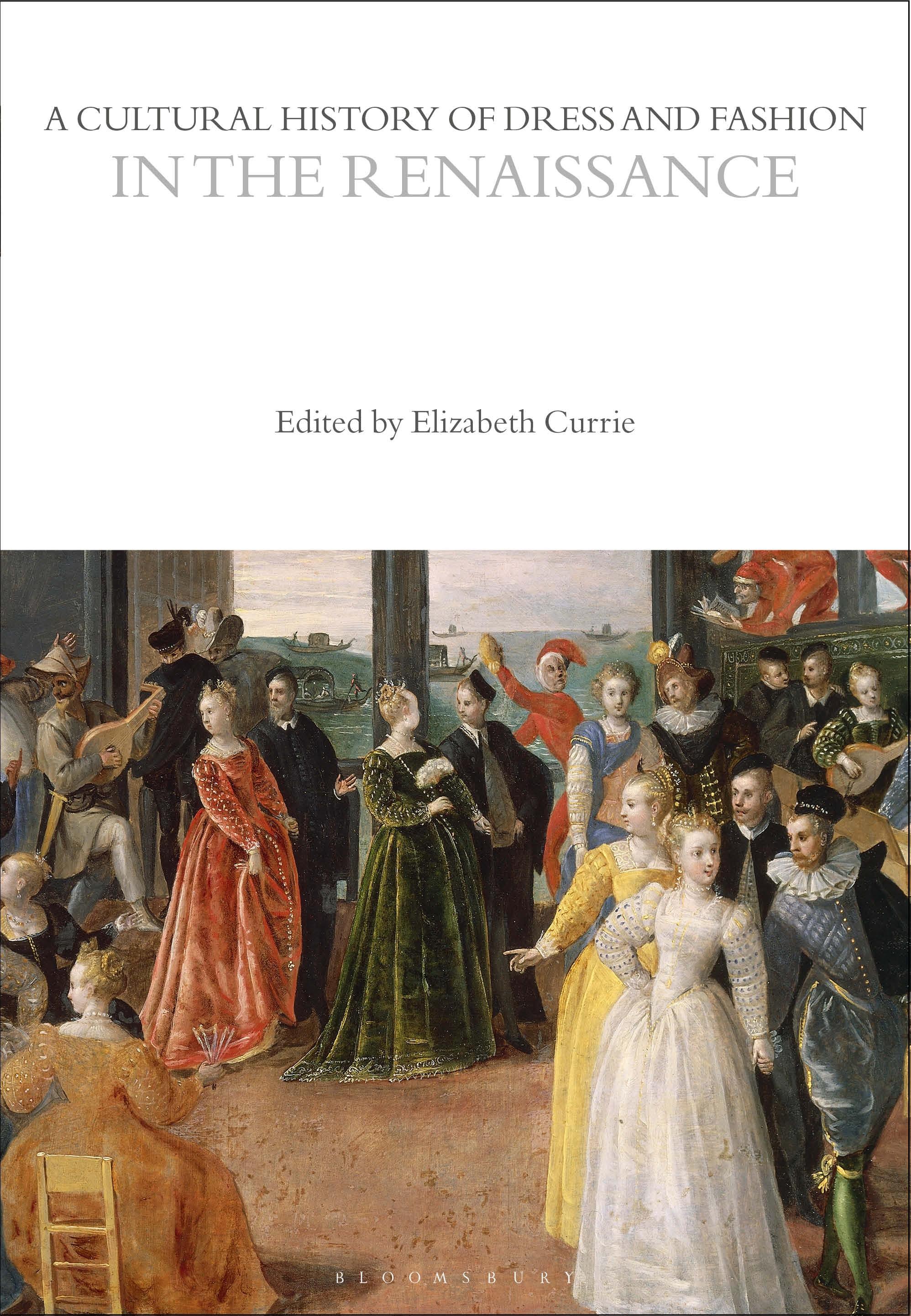
Spurred by an increasingly international and competitive market, the Renaissance saw the development of many new fabrics and the use of highly prized ingredients imported from the New World. In response to a thirst for the new, fashion's pace of change accelerated, the production of garments provided employment for an increasingly significant proportion of the working population, and entrepreneurial artisans began to transform even the most functional garments into fashionable ones. Anxieties concerning vanity and the power of clothing to mask identities heightened fears of fashion's corrupting influence, and heralded the great age of sumptuary legislation intended to police status and gender through dress.
Drawing on sources from surviving garments to artworks to moralising pamphlets, this richly illustrated volume presents essays on textiles, production and distribution, the body, belief, gender and sexuality, status, ethnicity, and visual and literary representations to illustrate the diversity and cultural significance of dress and fashion in the period.
Drawing on sources from surviving garments to artworks to moralising pamphlets, this richly illustrated volume presents essays on textiles, production and distribution, the body, belief, gender and sexuality, status, ethnicity, and visual and literary representations to illustrate the diversity and cultural significance of dress and fashion in the period.
Pay easily by card, Klarna, Apple Pay or Google Pay. Not happy? You always have a 14-day money-back guarantee. Read more in our terms. If you have any questions, email us at hello@memmo.org.
Memmo makes studying easier – wherever you are in the world. We bring your course books and smart study tools together in one place: summaries, quizzes, podcasts and flashcards. Plus Ted, your study buddy who answers anything you wonder. Over 50,000 students already study here – built to help you learn faster and stress less.