
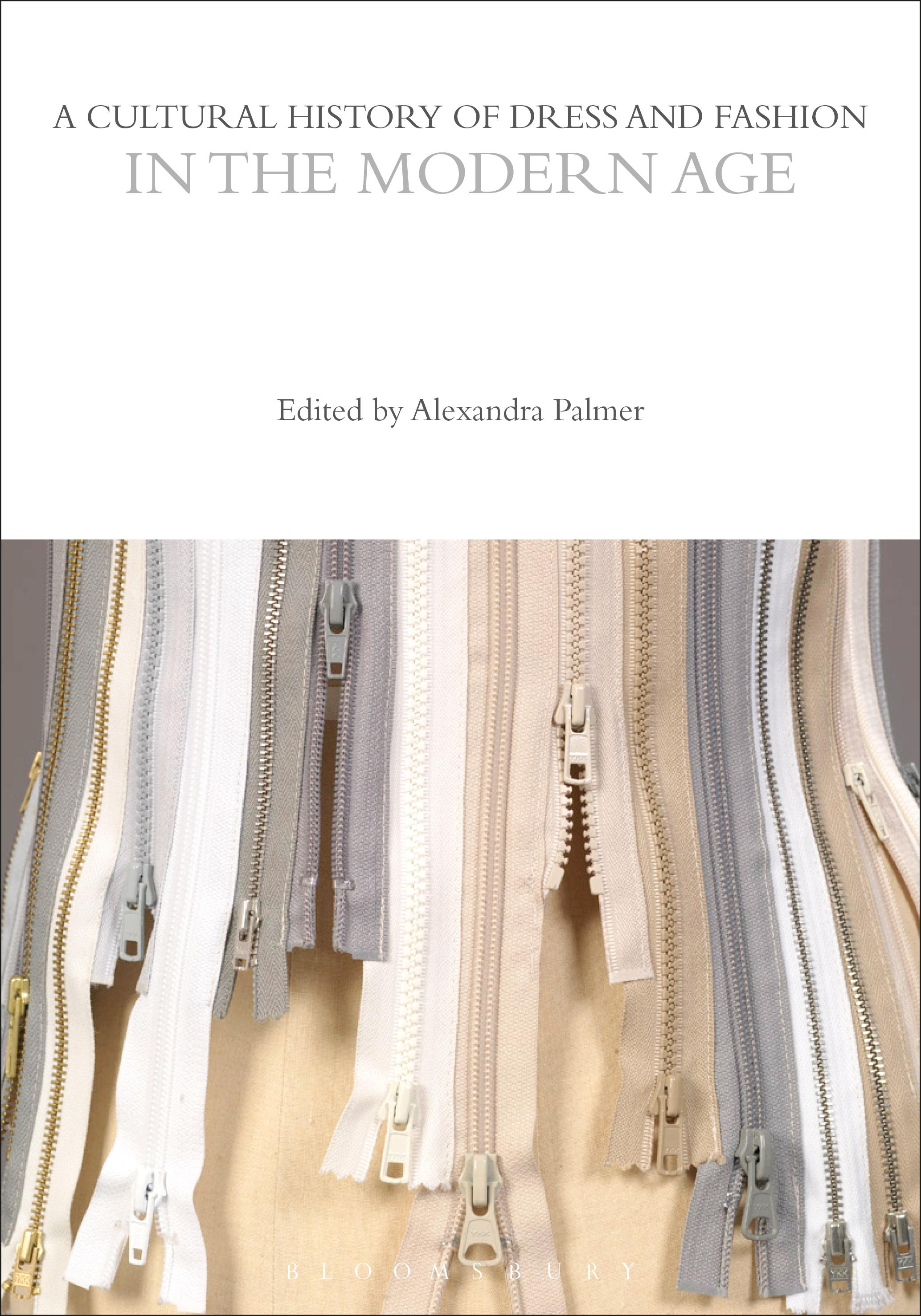
Over the last century there has been a complete transformation of the fashion system. The unitary top-down fashion cycle has been replaced by the pulsations of multiple and simultaneous styles, while the speed of global production and circulation has become ever faster and more complex. Running in tandem, the development of artificial fibres has revolutionized the composition of clothing, and the increased focus on youth, sexuality, and the body has radically changed its design. From the 1920s flapper dress to debates over the burkini, fashion has continued to be deeply involved in society's larger issues.
Drawing on a wealth of visual, textual and object sources and illustrated with 100 images, A Cultural History of Dress and Fashion in the Modern Age presents essays on textiles, production and distribution, the body, belief, gender and sexuality, status, ethnicity, and visual and literary representations to illustrate the diversity and cultural significance of dress and fashion in the period.
Drawing on a wealth of visual, textual and object sources and illustrated with 100 images, A Cultural History of Dress and Fashion in the Modern Age presents essays on textiles, production and distribution, the body, belief, gender and sexuality, status, ethnicity, and visual and literary representations to illustrate the diversity and cultural significance of dress and fashion in the period.
Pay easily by card, Klarna, Apple Pay or Google Pay. Not happy? You always have a 14-day money-back guarantee. Read more in our terms. If you have any questions, email us at hello@memmo.org.
Memmo makes studying easier – wherever you are in the world. We bring your course books and smart study tools together in one place: summaries, quizzes, podcasts and flashcards. Plus Ted, your study buddy who answers anything you wonder. Over 50,000 students already study here – built to help you learn faster and stress less.