
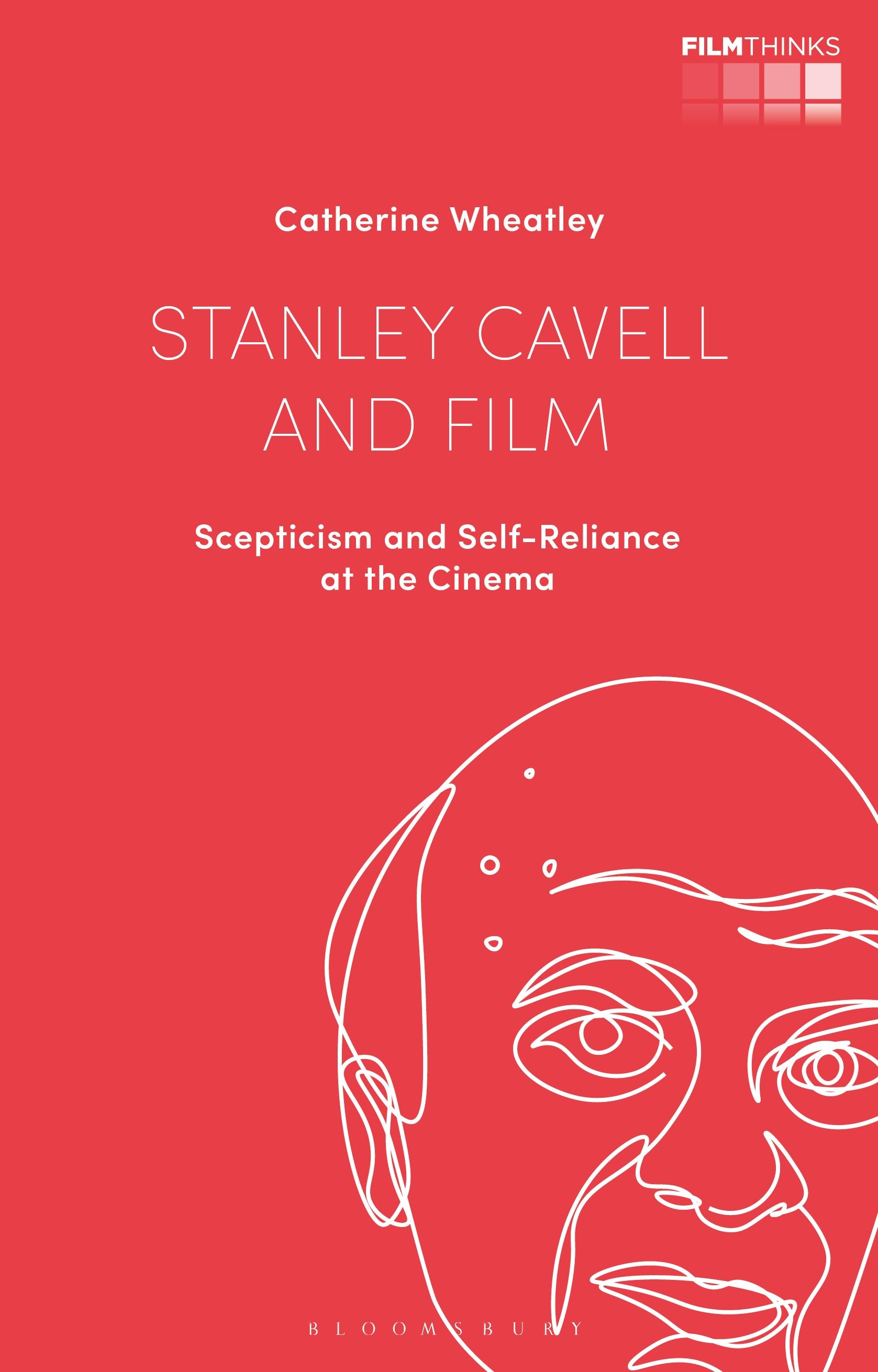
“Film is made for philosophy,” asserted Stanley Cavell. In addition to his work on scepticism, morality, and the intentions and meanings of ordinary language, the American philosopher wrote fascinatingly about cinema, arguing that film can reveal new ground for thinking through old philosophical problems.
In this book, Catherine Wheatley draws upon Cavell's explicitly film-inspired works, key philosophical concepts and autobiographical writings, examining his analyses of films from Hollywood's Golden Age, the French New Wave, contemporary action cinema, silent film heroes Chaplin and Keaton, directors Cocteau and Hitchcock, and performers Greta Garbo and Ginger Rogers. Revealing the ways in which Cavell's thinking was shaped by the movies, Wheatly poses the question: what was it about film that taught the philosopher how best to live in the world?
In this book, Catherine Wheatley draws upon Cavell's explicitly film-inspired works, key philosophical concepts and autobiographical writings, examining his analyses of films from Hollywood's Golden Age, the French New Wave, contemporary action cinema, silent film heroes Chaplin and Keaton, directors Cocteau and Hitchcock, and performers Greta Garbo and Ginger Rogers. Revealing the ways in which Cavell's thinking was shaped by the movies, Wheatly poses the question: what was it about film that taught the philosopher how best to live in the world?
Pages: 320
Category: Film- & Medievetenskap
e-ISBN: 9781350113220
Shipping weight: 1.2 kg
Ships in: 1-2 days
Pay easily by card, Klarna, Apple Pay or Google Pay. Not happy? You always have a 14-day money-back guarantee. Read more in our terms. If you have any questions, email us at hello@memmo.org.
Memmo makes studying easier – wherever you are in the world. We bring your course books and smart study tools together in one place: summaries, quizzes, podcasts and flashcards. Plus Ted, your study buddy who answers anything you wonder. Over 50,000 students already study here – built to help you learn faster and stress less.