
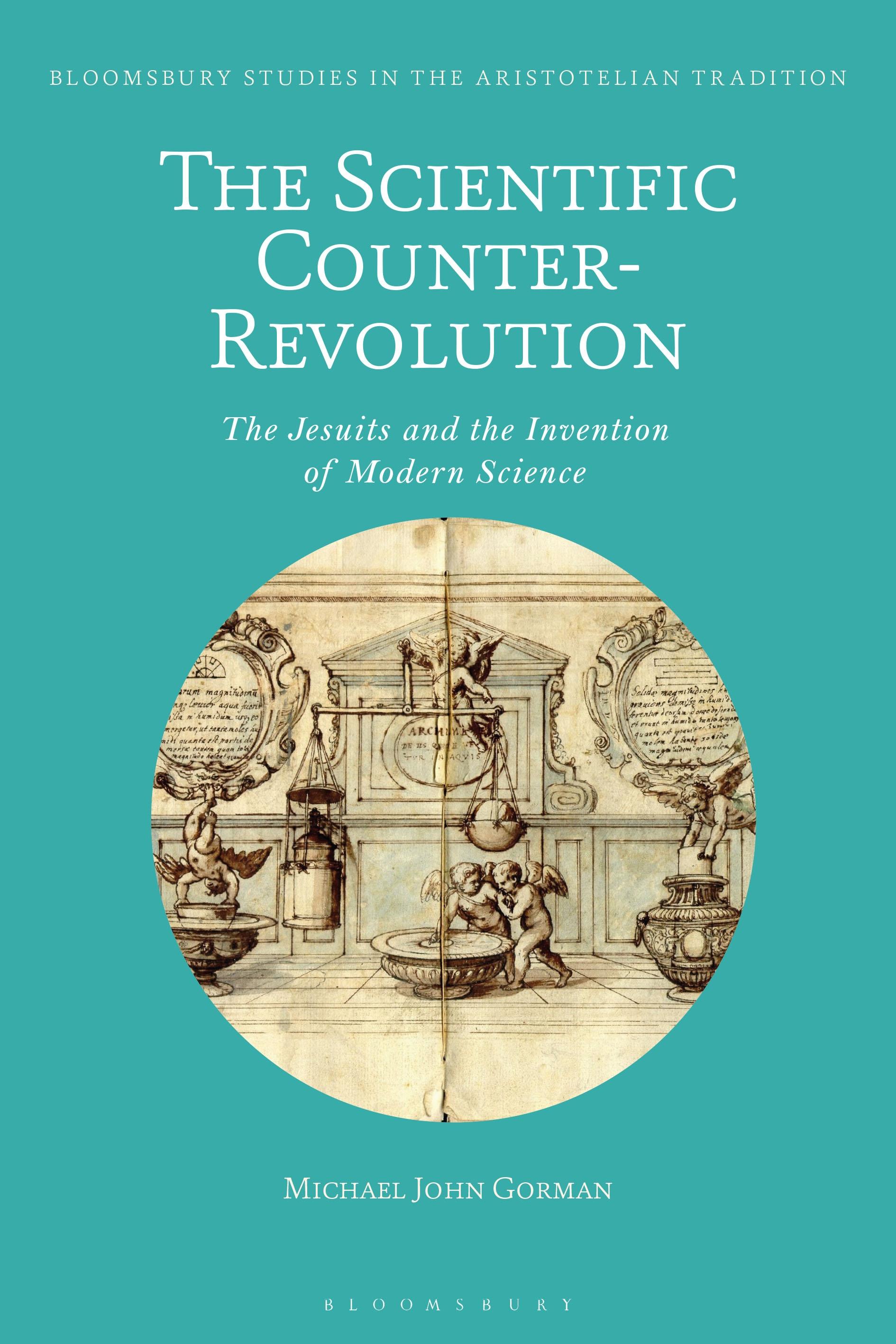
Jesuit engagement with natural philosophy during the late 16th and early 17th centuries transformed the status of the mathematical disciplines and propelled members of the Order into key areas of controversy in relation to Aristotelianism. Through close investigation of the activities of the Jesuit 'school' of mathematics founded by Christoph Clavius, The Scientific Counter-Revolution examines the Jesuit connections to the rise of experimental natural philosophy and the emergence of the early scientific societies.
Arguing for a re-evaluation of the role of Jesuits in shaping early modern science, this book traces the evolution of the Collegio Romano as a hub of knowledge. Starting with an examination of Clavius's Counter-Reformation agenda for mathematics, Michael John Gorman traces the development of a collective Jesuit approach to experimentation and observation under Christopher Grienberger and analyses the Jesuit role in the Galileo Affair and the vacuum debate. Ending with a discussion of the transformation of the Collegio Romano under Athanasius Kircher into a place of curiosity and wonder and the centre of a global information gathering network, this book reveals how the Counter-Reformation goals of the Jesuits contributed to the shaping of modern experimental science.
Arguing for a re-evaluation of the role of Jesuits in shaping early modern science, this book traces the evolution of the Collegio Romano as a hub of knowledge. Starting with an examination of Clavius's Counter-Reformation agenda for mathematics, Michael John Gorman traces the development of a collective Jesuit approach to experimentation and observation under Christopher Grienberger and analyses the Jesuit role in the Galileo Affair and the vacuum debate. Ending with a discussion of the transformation of the Collegio Romano under Athanasius Kircher into a place of curiosity and wonder and the centre of a global information gathering network, this book reveals how the Counter-Reformation goals of the Jesuits contributed to the shaping of modern experimental science.
Pages: 296
Category: Vetenskapsteori och forskningsmetod
e-ISBN: 9781350091979
Shipping weight: 1.2 kg
Ships in: 1-2 days
Pay easily by card, Klarna, Apple Pay or Google Pay. Not happy? You always have a 14-day money-back guarantee. Read more in our terms. If you have any questions, email us at hello@memmo.org.
Memmo makes studying easier – wherever you are in the world. We bring your course books and smart study tools together in one place: summaries, quizzes, podcasts and flashcards. Plus Ted, your study buddy who answers anything you wonder. Over 50,000 students already study here – built to help you learn faster and stress less.