
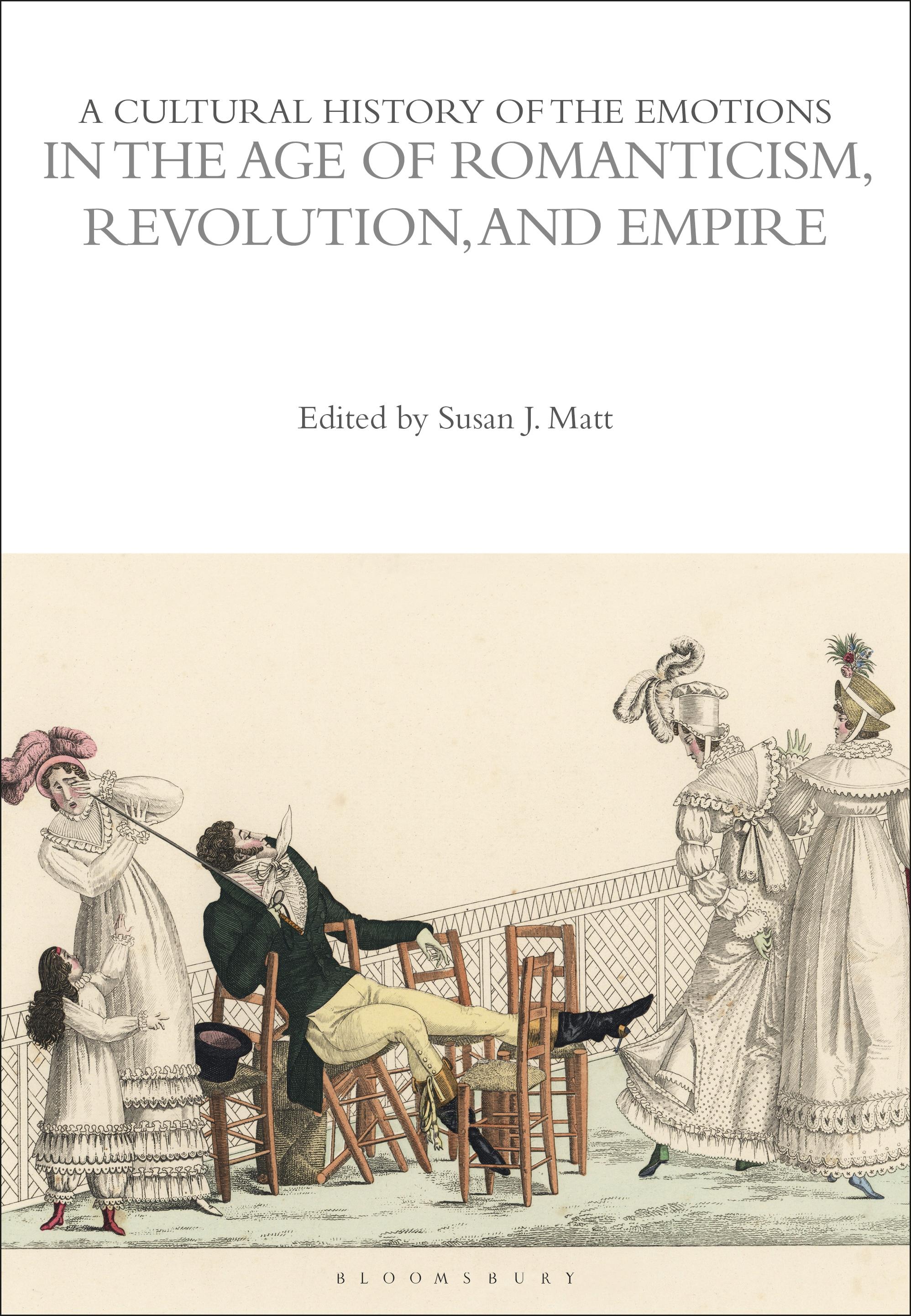
Between 1780 and 1920, modern conceptions of emotion-conceptions still very much present in the 21st century-first took shape. This book traces that history, charting the changing meaning and experience of feelings in an era shaped by political and market revolutions, romanticism, empiricism, the rise of psychology and psychoanalysis. During this period, the word emotion itself gained currency, gradually supplanting older vocabularies and visions of feeling. Terms to describe feelings changed; so too did conceptions of emotions' proper role in politics, economics, and culture. Political upheavals turned a spotlight on the role of feeling in public life; in domestic life, sentimental bonds gained new importance, as families were transformed from productive units to emotional ones. From the halls of parliaments to the familial hearth, from the art museum to the theatre, from the pulpit to the concert hall, lively debates over feelings raged across the 19th century.
Pay easily by card, Klarna, Apple Pay or Google Pay. Not happy? You always have a 14-day money-back guarantee. Read more in our terms. If you have any questions, email us at hello@memmo.org.
Memmo makes studying easier – wherever you are in the world. We bring your course books and smart study tools together in one place: summaries, quizzes, podcasts and flashcards. Plus Ted, your study buddy who answers anything you wonder. Over 50,000 students already study here – built to help you learn faster and stress less.