
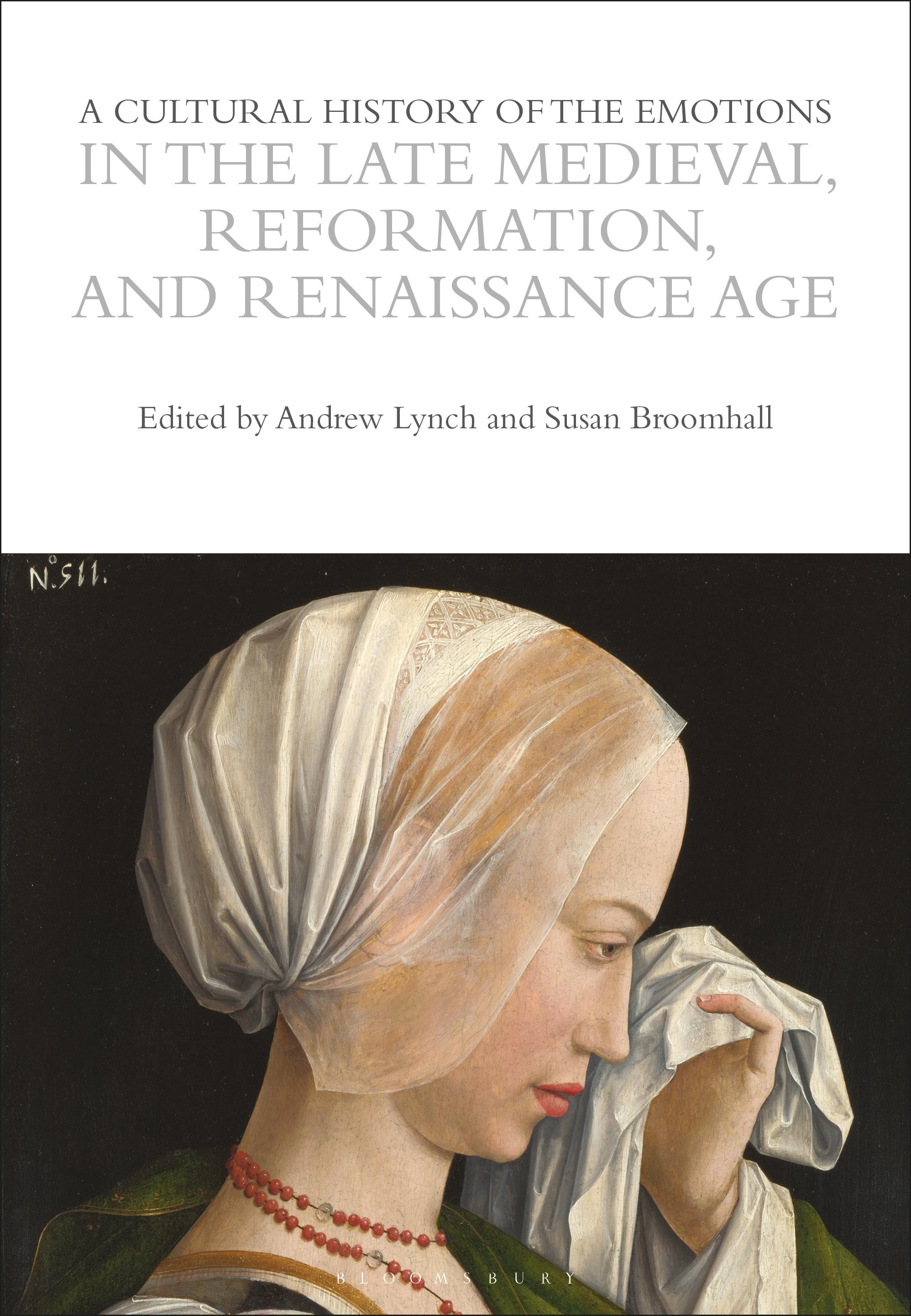
The period 1300-1600 CE was one of intense and far-reaching emotional realignments in European culture. New desires and developments in politics, religion, philosophy, the arts and literature fundamentally changed emotional attitudes to history, creating the sense of a rupture from the immediate past. In this volatile context, cultural products of all kinds offered competing objects of love, hate, hope and fear. Art, music, dance and song provided new models of family affection, interpersonal intimacy, relationship with God, and gender and national identities. The public and private spaces of courts, cities and houses shaped the practices and rituals in which emotional lives were expressed and understood. Scientific and medical discoveries changed emotional relations to the cosmos, the natural world and the body. Both continuing traditions and new sources of cultural authority made emotions central to the concept of human nature, and involved them in every aspect of existence.
Pay easily by card, Klarna, Apple Pay or Google Pay. Not happy? You always have a 14-day money-back guarantee. Read more in our terms. If you have any questions, email us at hello@memmo.org.
Memmo makes studying easier – wherever you are in the world. We bring your course books and smart study tools together in one place: summaries, quizzes, podcasts and flashcards. Plus Ted, your study buddy who answers anything you wonder. Over 50,000 students already study here – built to help you learn faster and stress less.