
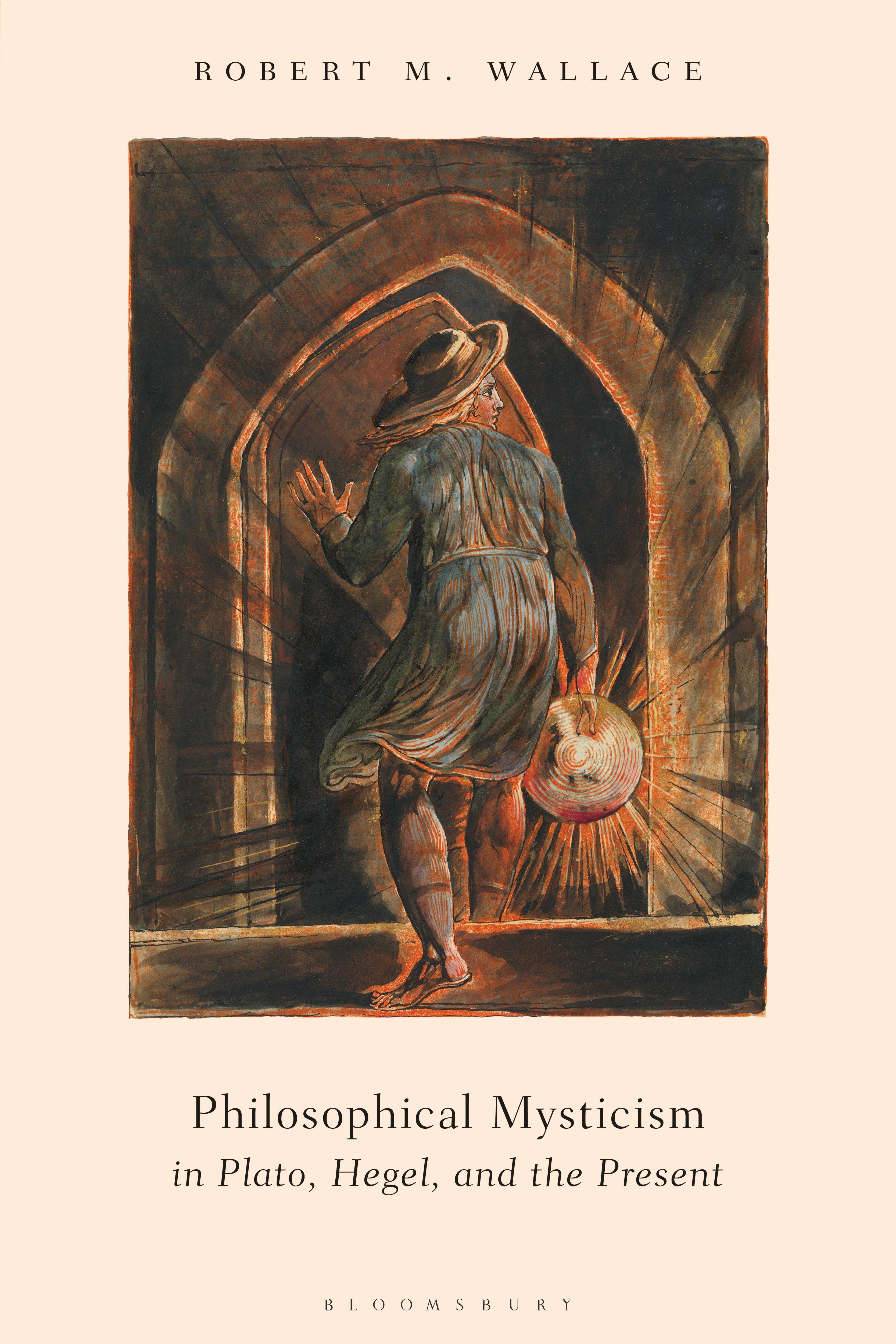
Few twenty-first century academics take seriously mysticism's claim that we have direct knowledge of a higher or more “inner” reality or God. But Philosophical Mysticism argues that such leading philosophers of earlier epochs as Plato, G. W. F. Hegel, Ludwig Wittgenstein, and Alfred North Whitehead were, in fact, all philosophical mystics. This book discusses major versions of philosophical mysticism beginning with Plato. It shows how the framework of mysticism's higher or more inner reality allows nature, freedom, science, ethics, the arts, and a rational religion-in-the-making to work together rather than conflicting with one another. This is how philosophical mysticism understands the relationships of fact to value, rationality to ethics, and the rest. And this is why Plato's notion of ascent or turning inward to a higher or more inner reality has strongly attracted such major figures in philosophy, religion, and literature as Aristotle, Plotinus, St Augustine, Dante Alighieri, Immanuel Kant, Hegel, William Wordsworth, Ralph Waldo Emerson, Emily Dickinson, Whitehead, and Wittgenstein.
Wallace's Philosophical Mysticism brings this central strand of western philosophy and culture into focus in a way unique in recent scholarship.
Wallace's Philosophical Mysticism brings this central strand of western philosophy and culture into focus in a way unique in recent scholarship.
Pay easily by card, Klarna, Apple Pay or Google Pay. Not happy? You always have a 14-day money-back guarantee. Read more in our terms. If you have any questions, email us at hello@memmo.org.
Memmo makes studying easier – wherever you are in the world. We bring your course books and smart study tools together in one place: summaries, quizzes, podcasts and flashcards. Plus Ted, your study buddy who answers anything you wonder. Over 50,000 students already study here – built to help you learn faster and stress less.