
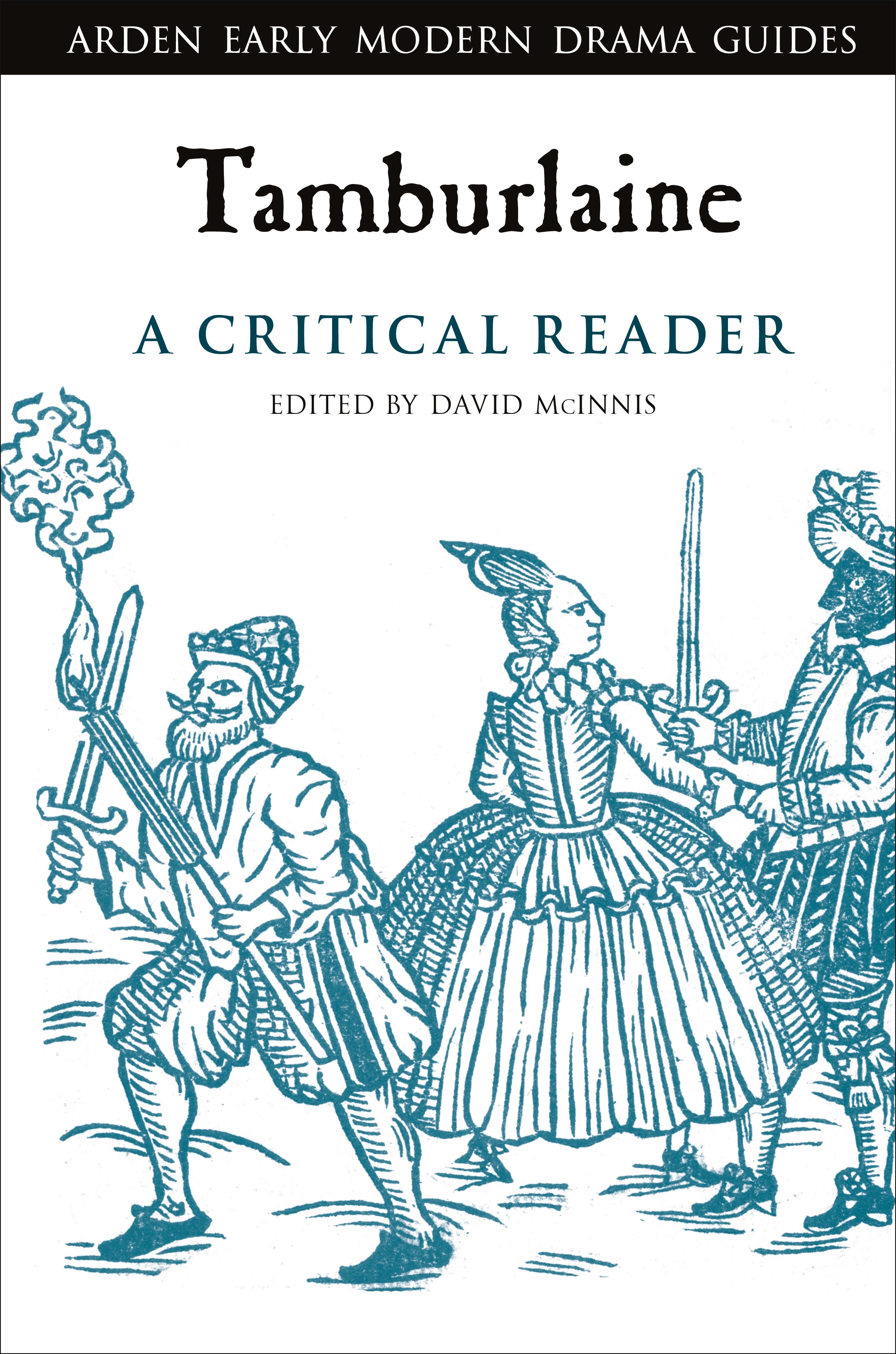
Arden Early Modern Drama Guides offer students and academics practical and accessible introductions to the critical and performance contexts of key Elizabethan and Jacobean plays. Essays from leading international scholars give invaluable insight into the text by presenting a range of critical perspectives, making the books ideal companions for study and research.
Key features include:
Essays on the plays' critical and performance history
A keynote essay on current research and thinking about the play
A selection of new essays by leading scholars
A survey of resources to direct students' further reading about the play in print and online
The blockbuster Tamburlaine plays (1587) instantly established Marlowe's reputation for experimenting with subversive, outrageous and immoral material. The plays follow the meteoric rise of a Scythian shepherd-turned-warlord, whose conquests of eastern emperors soon sees him established as the most powerful man in the world. The visual tableaux featured in the plays are iconic. He uses his enemy Bajazeth as a footstool, and has other emperors pull his chariot like horses. He burns the Qur'an on stage. The plays were memorable, too, for how they sounded: they showcased the power and variability of iambic pentameter, the meter that Shakespeare would go on to perfect. No history of Shakespeare's theatre is complete without understanding the influence and significance of Marlowe's Tamburlaine plays.
Tamburlaine: A Critical Reader offers the definitive introduction to these plays and new perspectives on these seminal works. It provides an overview of their reception on stage and by critics, and offers fresh insights into the teaching of these plays in the classroom.
Key features include:
Essays on the plays' critical and performance history
A keynote essay on current research and thinking about the play
A selection of new essays by leading scholars
A survey of resources to direct students' further reading about the play in print and online
The blockbuster Tamburlaine plays (1587) instantly established Marlowe's reputation for experimenting with subversive, outrageous and immoral material. The plays follow the meteoric rise of a Scythian shepherd-turned-warlord, whose conquests of eastern emperors soon sees him established as the most powerful man in the world. The visual tableaux featured in the plays are iconic. He uses his enemy Bajazeth as a footstool, and has other emperors pull his chariot like horses. He burns the Qur'an on stage. The plays were memorable, too, for how they sounded: they showcased the power and variability of iambic pentameter, the meter that Shakespeare would go on to perfect. No history of Shakespeare's theatre is complete without understanding the influence and significance of Marlowe's Tamburlaine plays.
Tamburlaine: A Critical Reader offers the definitive introduction to these plays and new perspectives on these seminal works. It provides an overview of their reception on stage and by critics, and offers fresh insights into the teaching of these plays in the classroom.
Pay easily by card, Klarna, Apple Pay or Google Pay. Not happy? You always have a 14-day money-back guarantee. Read more in our terms. If you have any questions, email us at hello@memmo.org.
Memmo makes studying easier – wherever you are in the world. We bring your course books and smart study tools together in one place: summaries, quizzes, podcasts and flashcards. Plus Ted, your study buddy who answers anything you wonder. Over 75,000 students already study here – built to help you learn faster and stress less.