
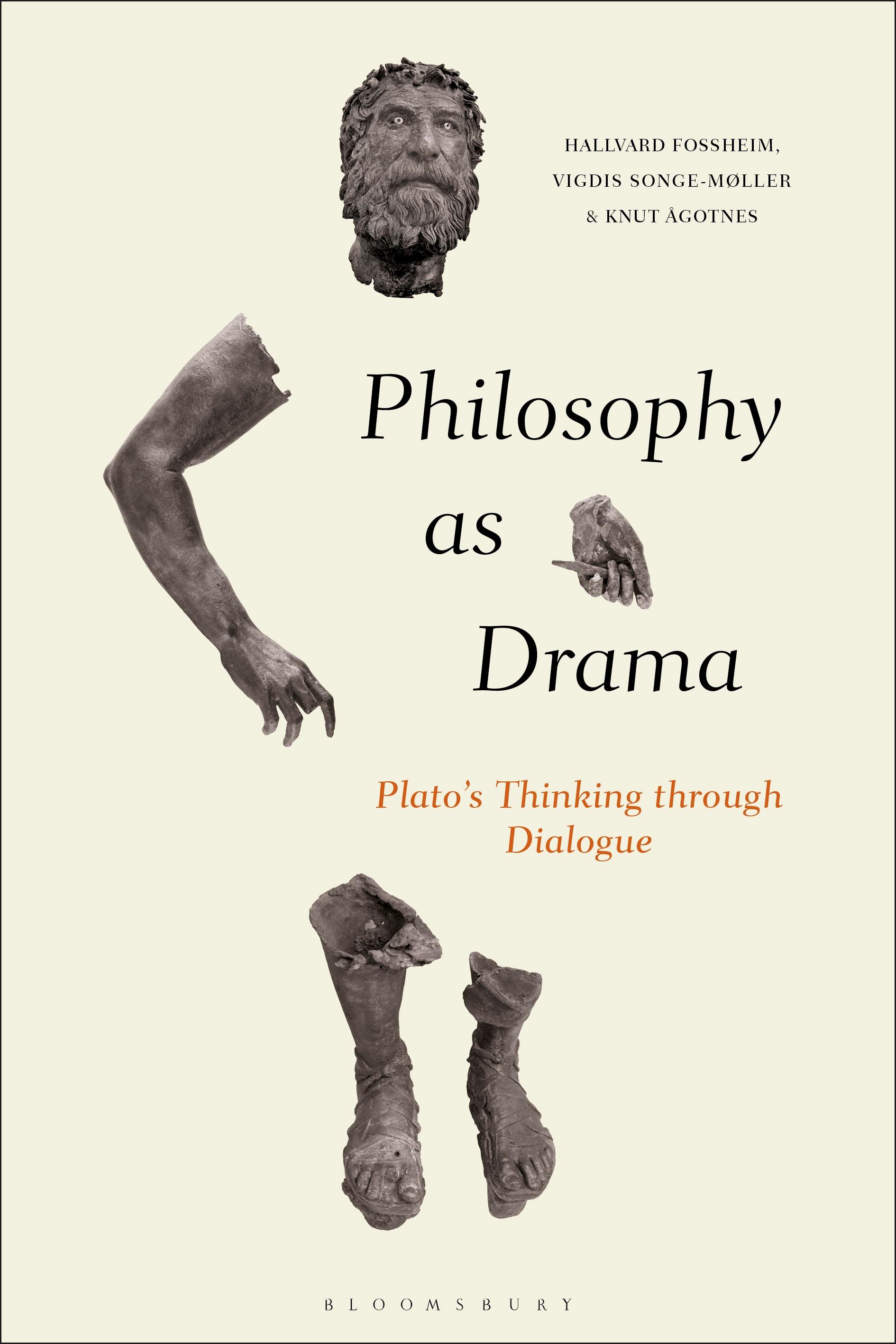
Plato's philosophical dialogues can be seen as his creation of a new genre. Plato borrows from, as well as rejects, earlier and contemporary authors, and he is constantly in conversation with established genres, such as tragedy, comedy, lyric poetry, and rhetoric in a variety of ways. This intertextuality reinforces the relevance of material from other types of literary works, as well as a general knowledge of classical culture in Plato's time, and the political and moral environment that Plato addressed, when reading his dramatic dialogues.
The authors of Philosophy as Drama show that any interpretation of these works must include the literary and narrative dimensions of each text, as much as serious the attention given to the progression of the argument in each piece. Each dialogue is read on its own merit, and critical comparisons of several dialogues explore the differences and likenesses between them on a dramatic as well as on a logical level. This collection of essays moves debates in Plato scholarship forward when it comes to understanding both particular aspects of Plato's dialogues and the approach itself. Containing 11 chapters of close readings of individual dialogues, with 2 chapters discussing specific themes running through them, such as music and sensuousness, pleasure, perception, and images, this book displays the range and diversity within Plato's corpus.
The authors of Philosophy as Drama show that any interpretation of these works must include the literary and narrative dimensions of each text, as much as serious the attention given to the progression of the argument in each piece. Each dialogue is read on its own merit, and critical comparisons of several dialogues explore the differences and likenesses between them on a dramatic as well as on a logical level. This collection of essays moves debates in Plato scholarship forward when it comes to understanding both particular aspects of Plato's dialogues and the approach itself. Containing 11 chapters of close readings of individual dialogues, with 2 chapters discussing specific themes running through them, such as music and sensuousness, pleasure, perception, and images, this book displays the range and diversity within Plato's corpus.
Pay easily by card, Klarna, Apple Pay or Google Pay. Not happy? You always have a 14-day money-back guarantee. Read more in our terms. If you have any questions, email us at hello@memmo.org.
Memmo makes studying easier – wherever you are in the world. We bring your course books and smart study tools together in one place: summaries, quizzes, podcasts and flashcards. Plus Ted, your study buddy who answers anything you wonder. Over 50,000 students already study here – built to help you learn faster and stress less.