
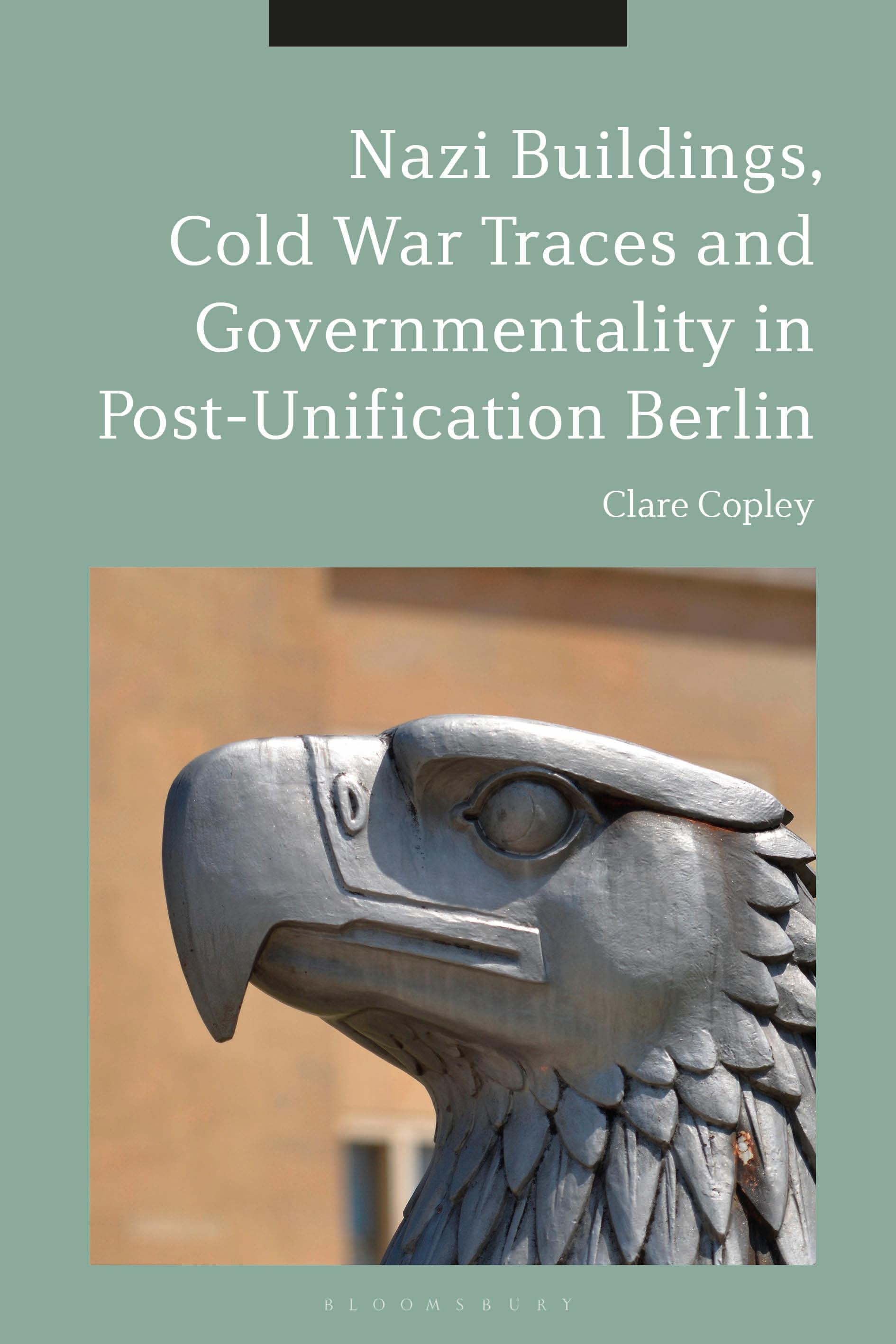
Bringing together approaches from cultural and urban history, as well as German studies and political theory, Clare Copley's probing study reflects on post-unification responses to iconic Nazi architecture to reveal insights into power, legitimacy and memory politics in the Berlin Republic.
Analysing public debates, physical interventions into the buildings and the structuring of the memory landscapes around them, the book demonstrates that the politics of memory impact not just upon the built environment of the post-dictatorship city, but upon the way decisions about it are made. In doing so, Nazi Buildings, Cold War Traces and Governmentality in Post-Unification Berlin makes the case for conceiving of a specifically 'post-authoritarian' governmentality and uses the responses to constructions like Goering's Aviation Ministry, Tempelhof Airport and the Olympic complex to explore its features.
Analysing public debates, physical interventions into the buildings and the structuring of the memory landscapes around them, the book demonstrates that the politics of memory impact not just upon the built environment of the post-dictatorship city, but upon the way decisions about it are made. In doing so, Nazi Buildings, Cold War Traces and Governmentality in Post-Unification Berlin makes the case for conceiving of a specifically 'post-authoritarian' governmentality and uses the responses to constructions like Goering's Aviation Ministry, Tempelhof Airport and the Olympic complex to explore its features.
Pay easily by card, Klarna, Apple Pay or Google Pay. Not happy? You always have a 14-day money-back guarantee. Read more in our terms. If you have any questions, email us at hello@memmo.org.
Memmo makes studying easier – wherever you are in the world. We bring your course books and smart study tools together in one place: summaries, quizzes, podcasts and flashcards. Plus Ted, your study buddy who answers anything you wonder. Over 50,000 students already study here – built to help you learn faster and stress less.