
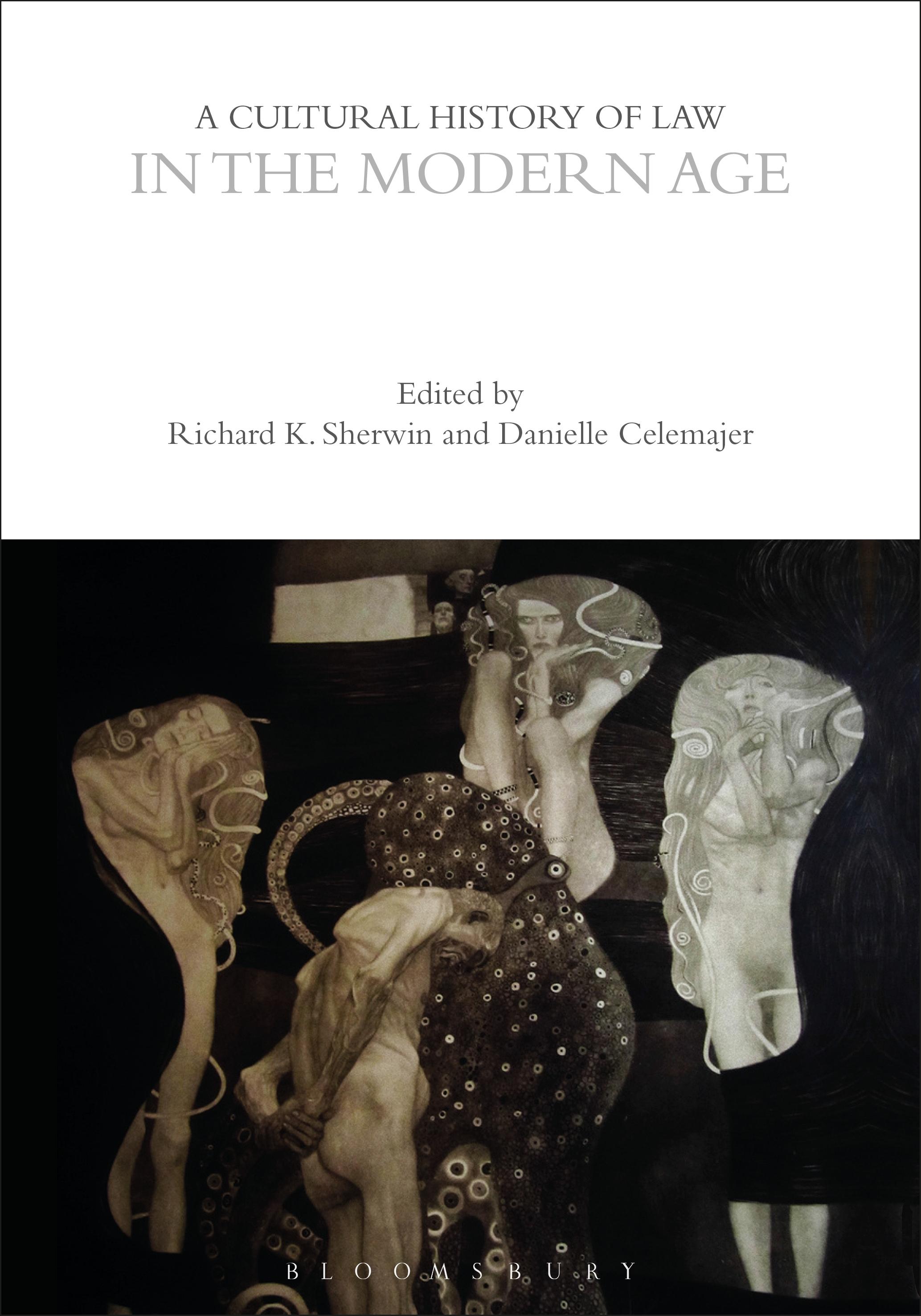
The period since the First World War has been a century distinguished by the loss of any unitary foundation for truth, ethics, and the legitimate authority of law. With the emergence of radical pluralism, law has become the site of extraordinary creativity and, on occasion, a source of rights for those historically excluded from its protection. A Cultural History of Law in the Modern Age tells stories of human struggles in the face of state authority – including Aboriginal land claims, popular resistance to corporate power, and the inter-generational ramifications of genocidal state violence. The essays address how, and with what effects, different expressive modes (ceremonial dance, live street theater, the acoustics of radio, the affective range of film, to name a few) help to construct, memorialize, and disseminate political and legal meaning.
Drawing upon a wealth of visual, textual and sound sources, A Cultural History of Law in the Modern Age presents essays that examine key cultural case studies of the period on the themes of justice, constitution, codes, agreements, arguments, property and possession, wrongs, and the legal profession.
Drawing upon a wealth of visual, textual and sound sources, A Cultural History of Law in the Modern Age presents essays that examine key cultural case studies of the period on the themes of justice, constitution, codes, agreements, arguments, property and possession, wrongs, and the legal profession.
Pay easily by card, Klarna, Apple Pay or Google Pay. Not happy? You always have a 14-day money-back guarantee. Read more in our terms. If you have any questions, email us at hello@memmo.org.
Memmo makes studying easier – wherever you are in the world. We bring your course books and smart study tools together in one place: summaries, quizzes, podcasts and flashcards. Plus Ted, your study buddy who answers anything you wonder. Over 50,000 students already study here – built to help you learn faster and stress less.