
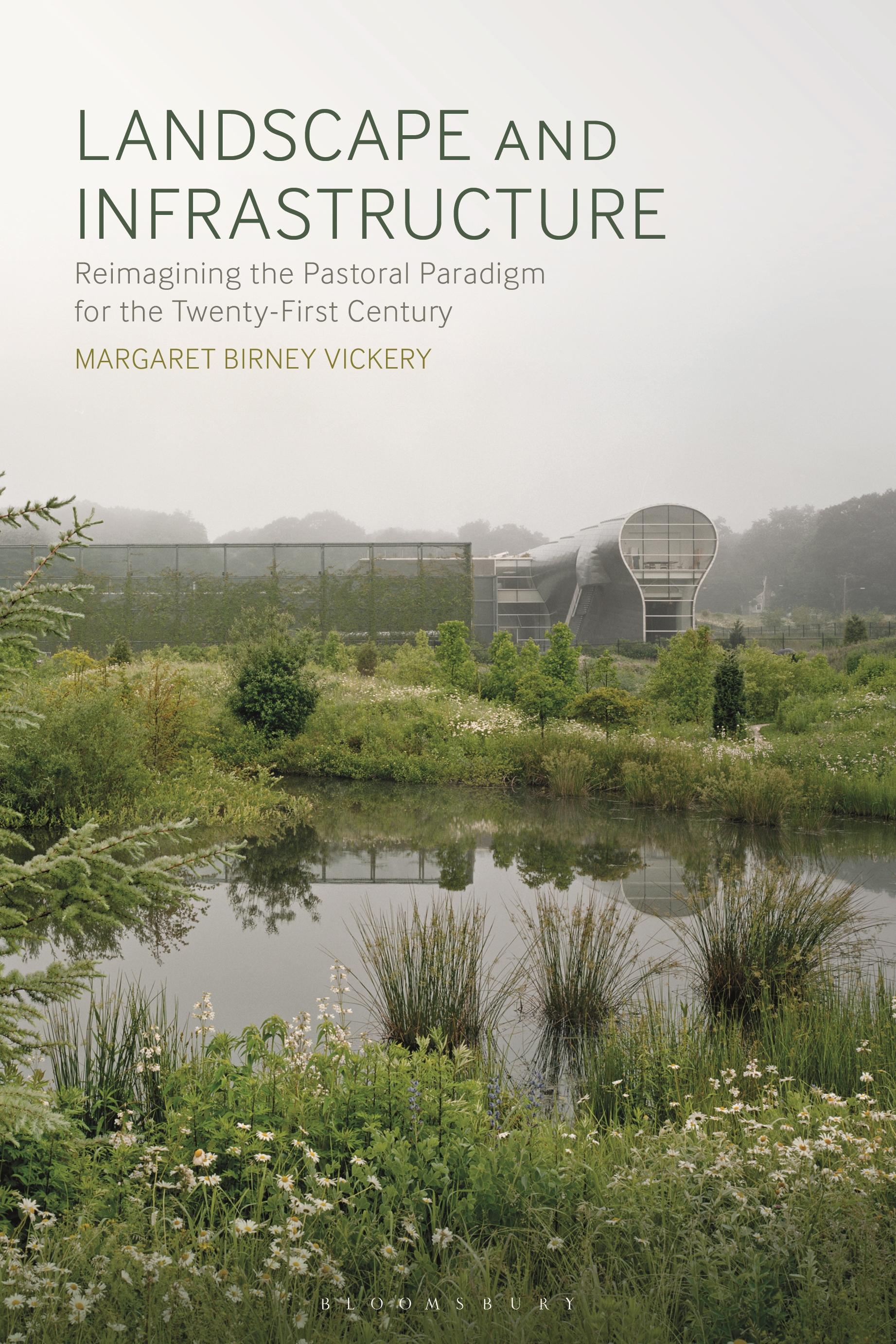
Landscape and Infrastructure examines the relationships between landscape painting and landscape design from the seventeenth century to the present, and contemporary infrastructure projects around the globe.
These seemingly disparate subjects are united by a shared concern for the pastoral middle ground; a traditionally productive landscape. By focusing an art-historical lens on pre-industrial productive systems and the effects of the Industrial Revolution on the pastoral landscape tradition, we can gain a better understanding of how to weave new approaches to productive infrastructure systems (such as power generation, water filtration and food production) into our contemporary landscapes. With rising demand for clean energy, clean water, and locally-grown food, this study offers a historical perspective on how such systems can be integrated into our suburban and urban areas. Vestigial elements of the pastoral tradition have long held aesthetic sway in our suburbs, cities and national parks, both in Britain and America. Now, as new energy and water related projects encroach on these spaces, remnants of the pastoral play a crucial role in convincing neighborhood residents, municipal leaders, and energy companies or water authorities of the benefits of a neighboring infrastructure.
This book investigates the history of that tradition and highlights the advantages it brings as we re-imagine infrastructure in the twenty-first century.
These seemingly disparate subjects are united by a shared concern for the pastoral middle ground; a traditionally productive landscape. By focusing an art-historical lens on pre-industrial productive systems and the effects of the Industrial Revolution on the pastoral landscape tradition, we can gain a better understanding of how to weave new approaches to productive infrastructure systems (such as power generation, water filtration and food production) into our contemporary landscapes. With rising demand for clean energy, clean water, and locally-grown food, this study offers a historical perspective on how such systems can be integrated into our suburban and urban areas. Vestigial elements of the pastoral tradition have long held aesthetic sway in our suburbs, cities and national parks, both in Britain and America. Now, as new energy and water related projects encroach on these spaces, remnants of the pastoral play a crucial role in convincing neighborhood residents, municipal leaders, and energy companies or water authorities of the benefits of a neighboring infrastructure.
This book investigates the history of that tradition and highlights the advantages it brings as we re-imagine infrastructure in the twenty-first century.
Pay easily by card, Klarna, Apple Pay or Google Pay. Not happy? You always have a 14-day money-back guarantee. Read more in our terms. If you have any questions, email us at hello@memmo.org.
Memmo makes studying easier – wherever you are in the world. We bring your course books and smart study tools together in one place: summaries, quizzes, podcasts and flashcards. Plus Ted, your study buddy who answers anything you wonder. Over 50,000 students already study here – built to help you learn faster and stress less.