
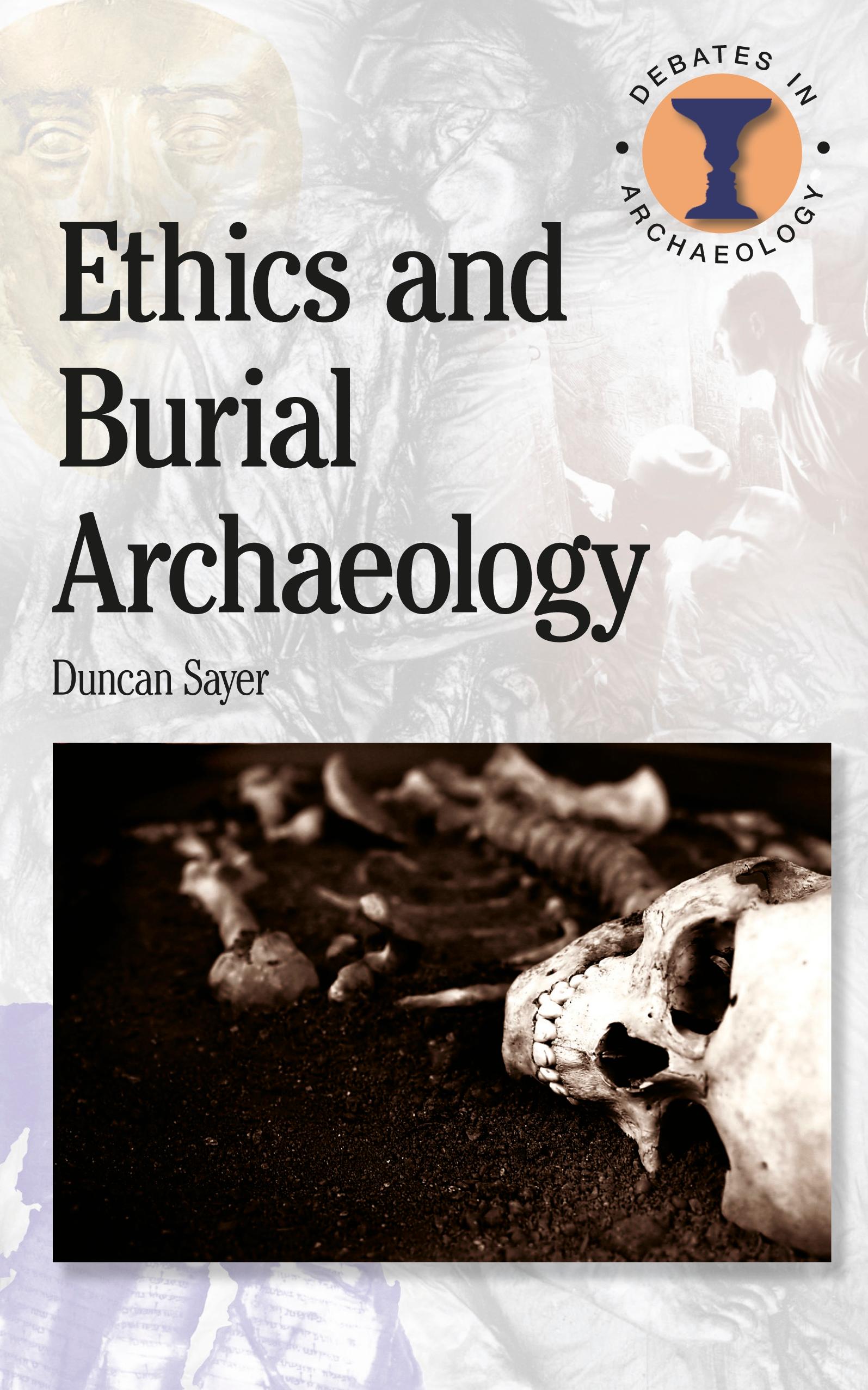
The investigation of human remains has always been central to archaeological, but archaeologists are not the only ones with an interest in their treatment. Political groups, religious organisations, descendant communities and disenfranchised interest groups are all becoming more vocal in expressing their opinions on this subject on a world stage. This book sets a new agenda for ethical studies in mortuary investigation, adducing a series of case studies which can be used to understand the questions facing burial archaeology. Who owns the dead - not just their bodies but also their stories? Do the remains themselves matter or are there other political agendas which influence interest groups? The author encourages archaeologists to be more open and inclusive when conducting mortuary projects, as it is often the perception of secrecy or interference with the dead that raises concern about the treatment of historical and scientifically important skeletal remains.
Pay easily by card, Klarna, Apple Pay or Google Pay. Not happy? You always have a 14-day money-back guarantee. Read more in our terms. If you have any questions, email us at hello@memmo.org.
Memmo makes studying easier – wherever you are in the world. We bring your course books and smart study tools together in one place: summaries, quizzes, podcasts and flashcards. Plus Ted, your study buddy who answers anything you wonder. Over 75,000 students already study here – built to help you learn faster and stress less.