
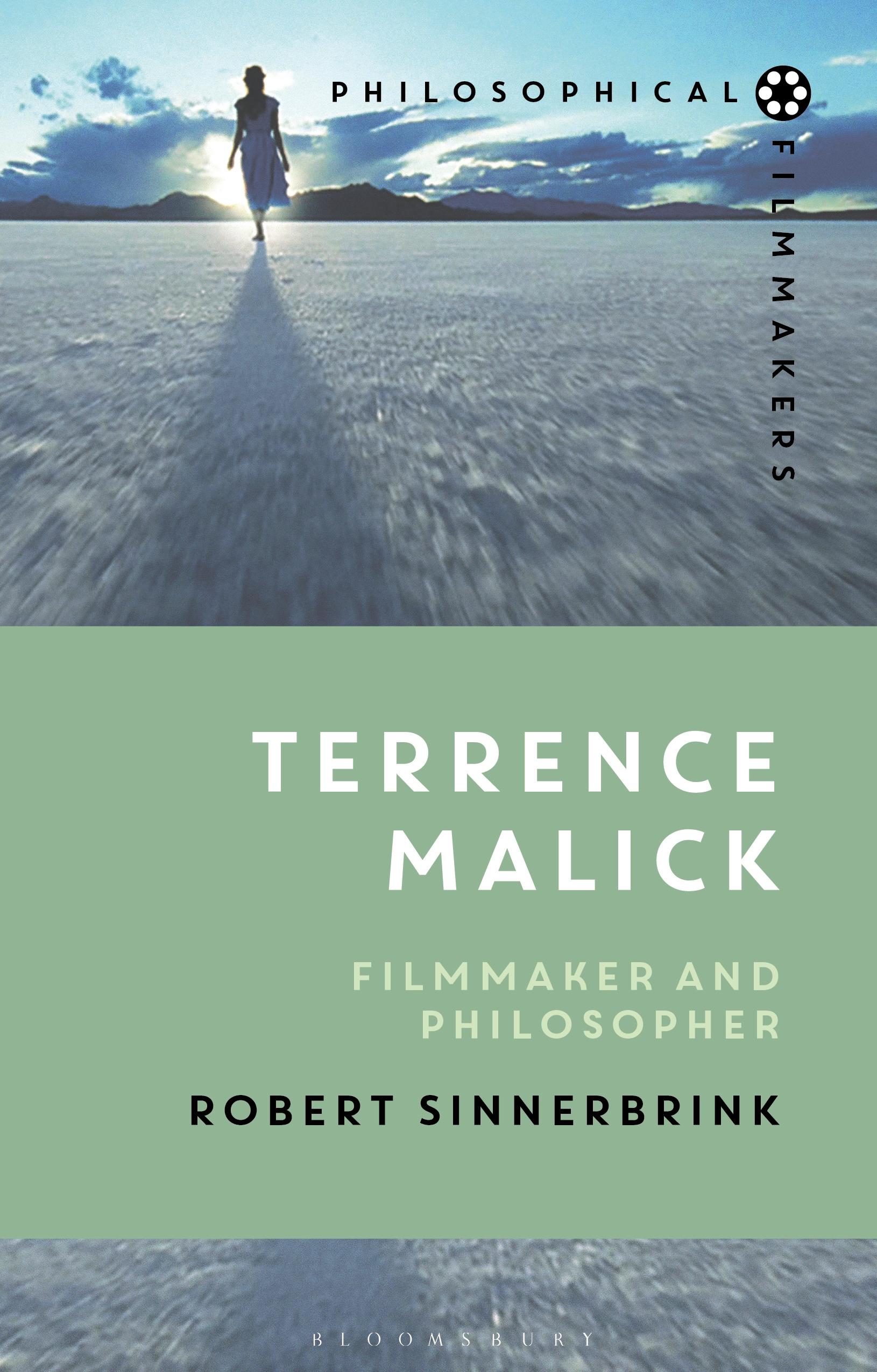
Many critics have approached Terrence Malick's work from a philosophical perspective, arguing that his films express philosophy through cinema. With their remarkable images of nature, poetic voiceovers, and meditative reflections, Malick's cinema certainly invites philosophical engagement.
In Terrence Malick: Filmmaker and Philosopher, Robert Sinnerbrink takes a different approach, exploring Malick's work as a case of cinematic ethics: films that evoke varieties of ethical experience, encompassing existential, metaphysical, and religious perspectives. Malick's films are not reducible to a particular moral position or philosophical doctrine; rather, they solicit ethically significant forms of experience, encompassing anxiety and doubt, wonder and awe, to questioning and acknowledgment, through aesthetic engagement and poetic reflection.
Drawing on a range of thinkers and approaches from Heidegger and Cavell, Nietzsche and Kierkegaard, to phenomenology and moral psychology Sinnerbrink explores how Malick's films respond to the problem of nihilism the loss of conviction or belief in prevailing forms of value and meaning and the possibility of ethical transformation through cinema: from self-transformation in our relations with others to cultural transformation via our attitudes towards towards nature and the world. Sinnerbrink shows how Malick's later films, from The Tree of Life to Voyage of Time, provide unique opportunities to explore cinematic ethics in relation to the crisis of belief, the phenomenology of love, and film's potential to invite moral transformation.
In Terrence Malick: Filmmaker and Philosopher, Robert Sinnerbrink takes a different approach, exploring Malick's work as a case of cinematic ethics: films that evoke varieties of ethical experience, encompassing existential, metaphysical, and religious perspectives. Malick's films are not reducible to a particular moral position or philosophical doctrine; rather, they solicit ethically significant forms of experience, encompassing anxiety and doubt, wonder and awe, to questioning and acknowledgment, through aesthetic engagement and poetic reflection.
Drawing on a range of thinkers and approaches from Heidegger and Cavell, Nietzsche and Kierkegaard, to phenomenology and moral psychology Sinnerbrink explores how Malick's films respond to the problem of nihilism the loss of conviction or belief in prevailing forms of value and meaning and the possibility of ethical transformation through cinema: from self-transformation in our relations with others to cultural transformation via our attitudes towards towards nature and the world. Sinnerbrink shows how Malick's later films, from The Tree of Life to Voyage of Time, provide unique opportunities to explore cinematic ethics in relation to the crisis of belief, the phenomenology of love, and film's potential to invite moral transformation.
Pay easily by card, Klarna, Apple Pay or Google Pay. Not happy? You always have a 14-day money-back guarantee. Read more in our terms. If you have any questions, email us at hello@memmo.org.
Memmo makes studying easier – wherever you are in the world. We bring your course books and smart study tools together in one place: summaries, quizzes, podcasts and flashcards. Plus Ted, your study buddy who answers anything you wonder. Over 50,000 students already study here – built to help you learn faster and stress less.