
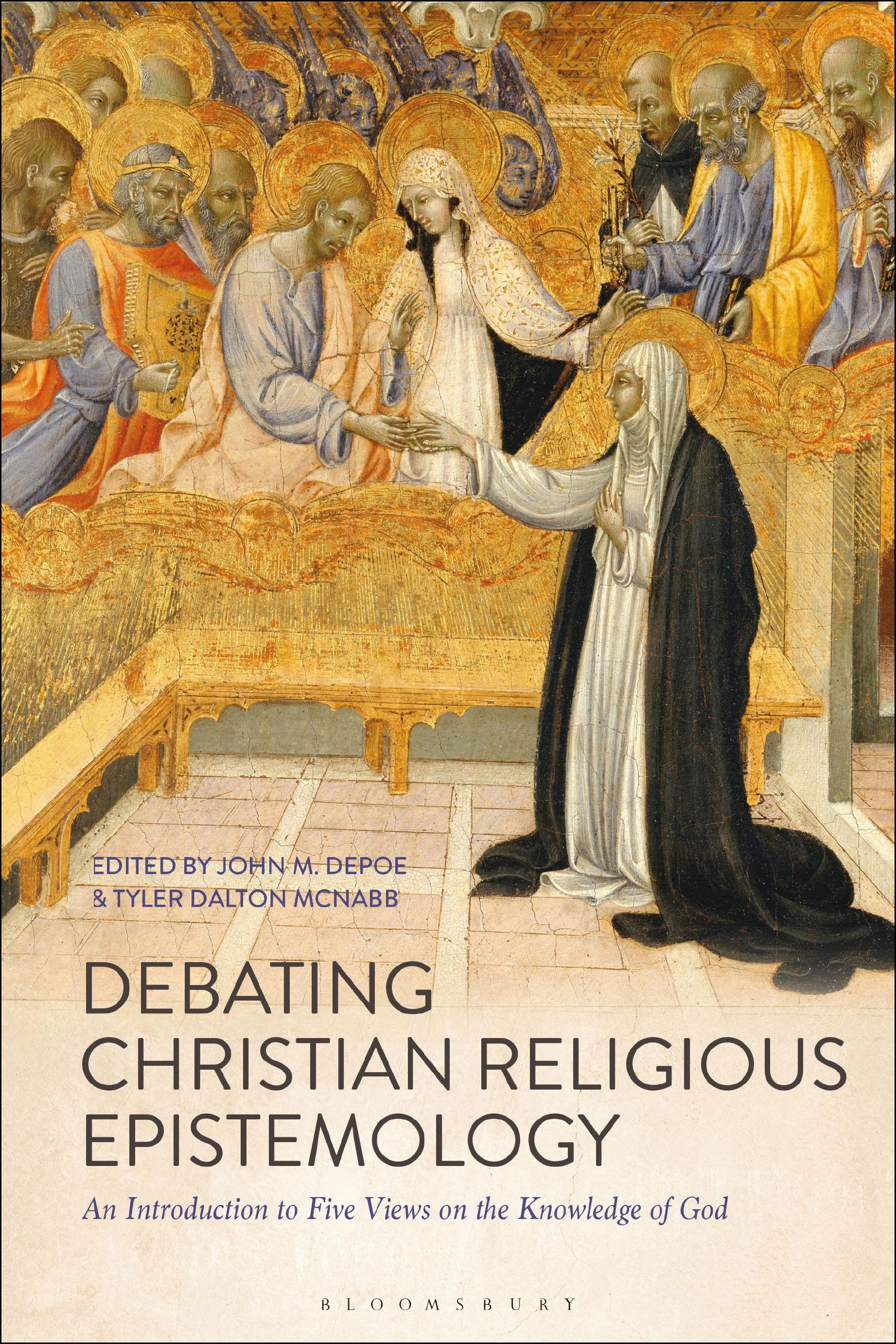
What does it mean to believe in God? What passes as evidence for belief in God? What issues arise when considering the rationality of belief in God?
Debating Christian Religious Epistemology introduces core questions in the philosophy of religion by bringing five competing viewpoints on the knowledge of God into critical dialogue with one another.
Each chapter introduces an epistemic viewpoint, providing an overview of its main arguments and explaining why it justifies belief. The validity of that viewpoint is then explored and tested in a critical response from an expert in an opposing tradition. Featuring a wide range of different philosophical positions, traditions and methods, this introduction:
- Covers classical evidentialism, phenomenal conservatism, proper functionalism, covenantal epistemology and traditions-based perspectivalism
- Draws on MacIntyre's account of rationality and ideas from the Analytic and Conservatism traditions
- Addresses issues in social epistemology
- Considers the role of religious experience and religious texts
Packed with lively debates, this is an ideal starting point for anyone interested in understanding the major positions in contemporary religious epistemology and how religious concepts and practices relate to belief and knowledge.
Debating Christian Religious Epistemology introduces core questions in the philosophy of religion by bringing five competing viewpoints on the knowledge of God into critical dialogue with one another.
Each chapter introduces an epistemic viewpoint, providing an overview of its main arguments and explaining why it justifies belief. The validity of that viewpoint is then explored and tested in a critical response from an expert in an opposing tradition. Featuring a wide range of different philosophical positions, traditions and methods, this introduction:
- Covers classical evidentialism, phenomenal conservatism, proper functionalism, covenantal epistemology and traditions-based perspectivalism
- Draws on MacIntyre's account of rationality and ideas from the Analytic and Conservatism traditions
- Addresses issues in social epistemology
- Considers the role of religious experience and religious texts
Packed with lively debates, this is an ideal starting point for anyone interested in understanding the major positions in contemporary religious epistemology and how religious concepts and practices relate to belief and knowledge.
Pay easily by card, Klarna, Apple Pay or Google Pay. Not happy? You always have a 14-day money-back guarantee. Read more in our terms. If you have any questions, email us at hello@memmo.org.
Memmo makes studying easier – wherever you are in the world. We bring your course books and smart study tools together in one place: summaries, quizzes, podcasts and flashcards. Plus Ted, your study buddy who answers anything you wonder. Over 50,000 students already study here – built to help you learn faster and stress less.