
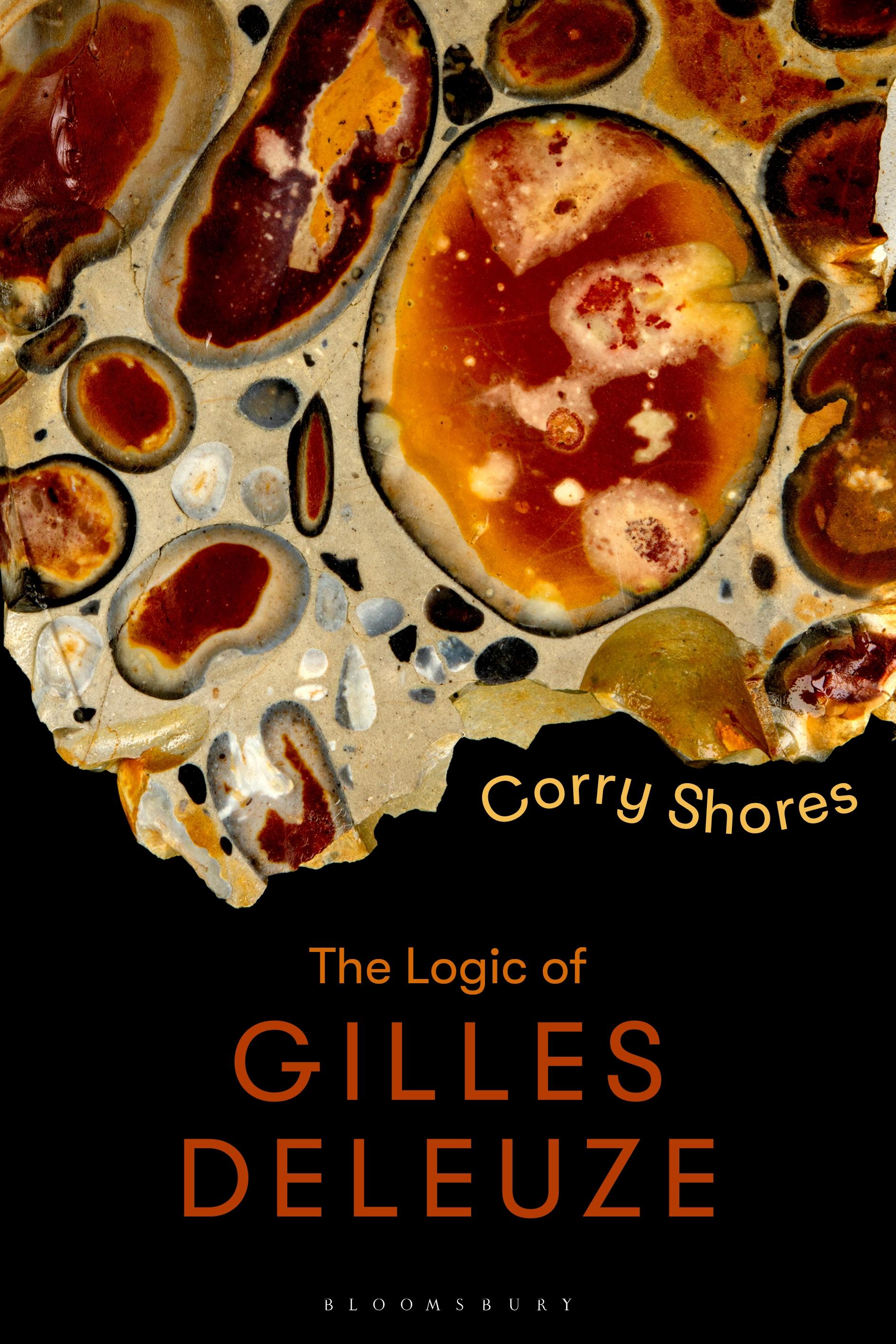
French philosopher Gilles Deleuze wrote two 'logic' books: Francis Bacon: The Logic of Sensation and The Logic of Sense. However, in neither of these books nor in any other works does Deleuze articulate in a formal way the features of the logic he employs. He certainly does not use classical logic. And the best options for the non-classical logic that he may be implementing are: fuzzy, intuitionist, and many-valued. These are applicable to his concepts of heterogeneous composition and becoming, affirmative synthetic disjunction, and powers of the false.
In The Logic of Gilles Deleuze: Basic Principles, Corry Shores examines the applicability of three non-classical logics to Deleuze's philosophy, by building from the philosophical and logical writings of Graham Priest, the world's leading proponent of dialetheism. Through so doing, Shores argues that Deleuze's logic is best understood as a dialetheic, paraconsistent, many-valued logic.
In The Logic of Gilles Deleuze: Basic Principles, Corry Shores examines the applicability of three non-classical logics to Deleuze's philosophy, by building from the philosophical and logical writings of Graham Priest, the world's leading proponent of dialetheism. Through so doing, Shores argues that Deleuze's logic is best understood as a dialetheic, paraconsistent, many-valued logic.
Pay easily by card, Klarna, Apple Pay or Google Pay. Not happy? You always have a 14-day money-back guarantee. Read more in our terms. If you have any questions, email us at hello@memmo.org.
Memmo makes studying easier – wherever you are in the world. We bring your course books and smart study tools together in one place: summaries, quizzes, podcasts and flashcards. Plus Ted, your study buddy who answers anything you wonder. Over 50,000 students already study here – built to help you learn faster and stress less.