
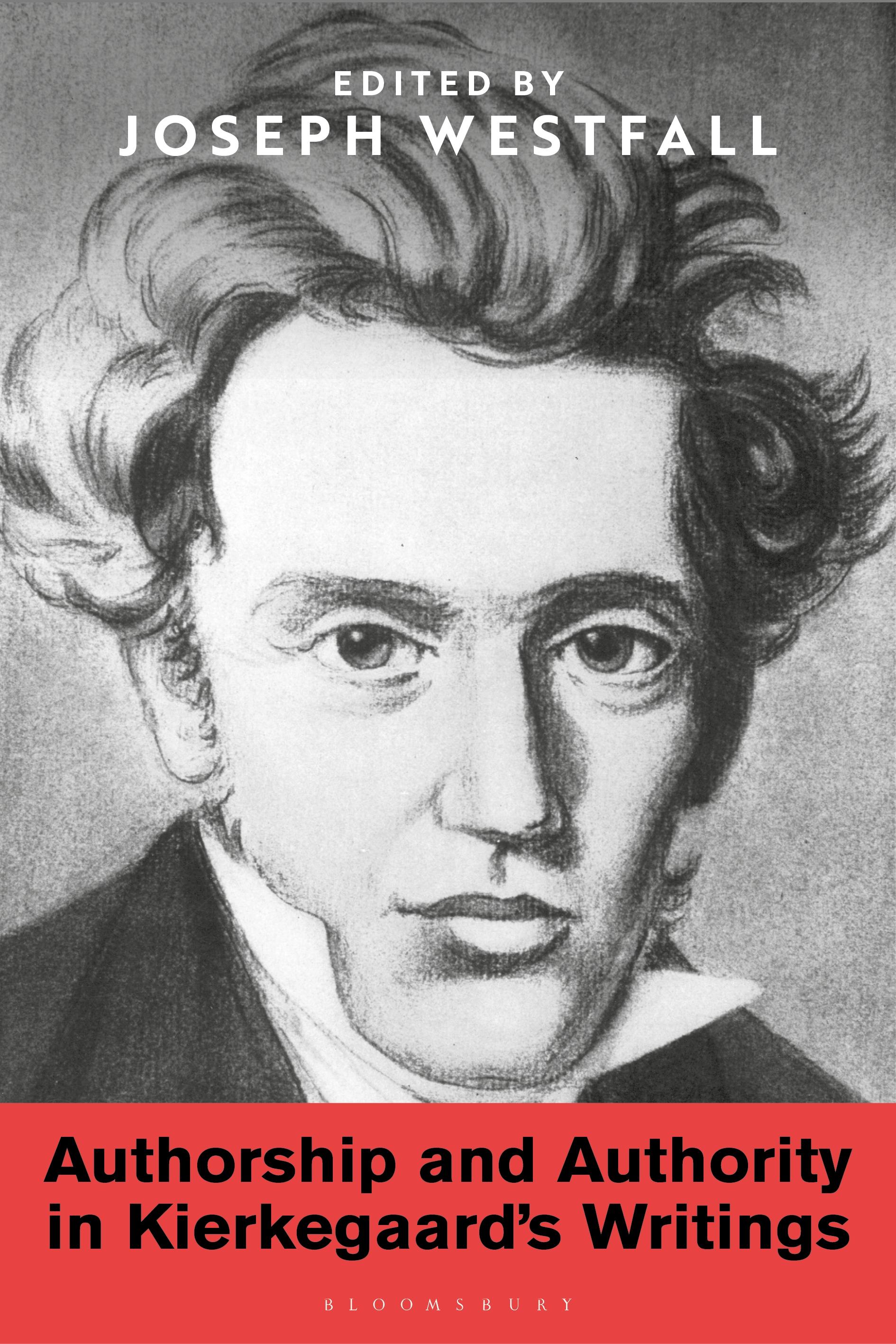
Authorship is a complicated subject in Kierkegaard's work, which he surely recognized, given his late attempts to explain himself in On My Work as an Author. From the use of multiple pseudonyms and antonyms, to contributions across a spectrum of media and genres, issues of authorship abound.
Why did Kierkegaard write in the ways he did? Before we assess Kierkegaard's famous thoughts on faith or love, or the relationship between 'the aesthetic,' 'the ethical,' and 'the religious,' we must approach how he expressed them. Given the multi-authored nature of his works, can we find a view or voice that is definitively Kierkegaard's own? Can entries in his unpublished journals and notebooks tell us what Kierkegaard himself thought? How should contemporary readers understand inconsistencies or contradictions between differently named authors?
We cannot make definitive claims about Kierkegaard's work as a thinker without understanding Kierkegaard's work as an author. This collection, by leading contemporary Kierkegaard scholars, is the first to systematically examine the divisive question and practice of authorship in Kierkegaard from philosophical, literary and theological perspectives.
Why did Kierkegaard write in the ways he did? Before we assess Kierkegaard's famous thoughts on faith or love, or the relationship between 'the aesthetic,' 'the ethical,' and 'the religious,' we must approach how he expressed them. Given the multi-authored nature of his works, can we find a view or voice that is definitively Kierkegaard's own? Can entries in his unpublished journals and notebooks tell us what Kierkegaard himself thought? How should contemporary readers understand inconsistencies or contradictions between differently named authors?
We cannot make definitive claims about Kierkegaard's work as a thinker without understanding Kierkegaard's work as an author. This collection, by leading contemporary Kierkegaard scholars, is the first to systematically examine the divisive question and practice of authorship in Kierkegaard from philosophical, literary and theological perspectives.
Pay easily by card, Klarna, Apple Pay or Google Pay. Not happy? You always have a 14-day money-back guarantee. Read more in our terms. If you have any questions, email us at hello@memmo.org.
Memmo makes studying easier – wherever you are in the world. We bring your course books and smart study tools together in one place: summaries, quizzes, podcasts and flashcards. Plus Ted, your study buddy who answers anything you wonder. Over 50,000 students already study here – built to help you learn faster and stress less.