
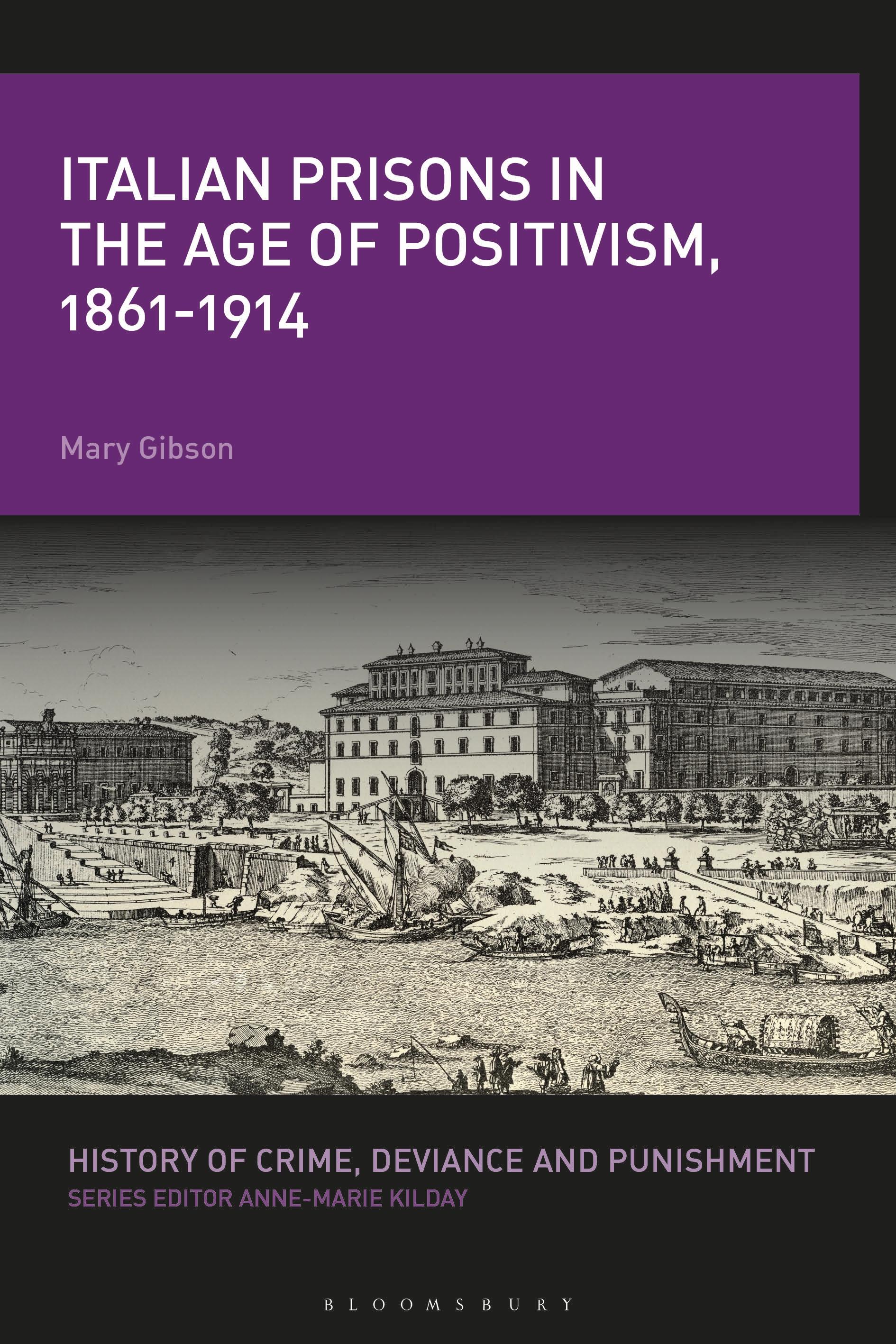
During a period dominated by the biological determinism of Cesare Lombroso, Italy constructed a new prison system that sought to reconcile criminology with nation building and new definitions of citizenship. Italian Prisons in the Age of Positivism, 1861-1914 examines this "second wave" of global prison reform between Italian Unification and World War I, providing fascinating insights into the relationship between changing modes of punishment and the development of the modern Italian state.
Mary Gibson focuses on the correlation between the birth of the prison and the establishment of a liberal government, showing how rehabilitation through work in humanitarian conditions played a key role in the development of a new secular national identity. She also highlights the importance of age and gender for constructing a nuanced chronology of the birth of the prison, demonstrating that whilst imprisonment emerged first as a punishment for women and children, they were often denied "negative" rights, such as equality in penal law and the right to a secular form of punishment. Employing a wealth of hitherto neglected primary sources, such as yearly prison statistics, this cutting-edge study also provides glimpses into the everyday life of inmates in both the new capital of Rome and the nation as a whole.
Italian Prisons in the Age of Positivism, 1861-1914 is a vital study for understanding the birth of the prison in modern Italy and beyond.
Mary Gibson focuses on the correlation between the birth of the prison and the establishment of a liberal government, showing how rehabilitation through work in humanitarian conditions played a key role in the development of a new secular national identity. She also highlights the importance of age and gender for constructing a nuanced chronology of the birth of the prison, demonstrating that whilst imprisonment emerged first as a punishment for women and children, they were often denied "negative" rights, such as equality in penal law and the right to a secular form of punishment. Employing a wealth of hitherto neglected primary sources, such as yearly prison statistics, this cutting-edge study also provides glimpses into the everyday life of inmates in both the new capital of Rome and the nation as a whole.
Italian Prisons in the Age of Positivism, 1861-1914 is a vital study for understanding the birth of the prison in modern Italy and beyond.
Pay easily by card, Klarna, Apple Pay or Google Pay. Not happy? You always have a 14-day money-back guarantee. Read more in our terms. If you have any questions, email us at hello@memmo.org.
Memmo makes studying easier – wherever you are in the world. We bring your course books and smart study tools together in one place: summaries, quizzes, podcasts and flashcards. Plus Ted, your study buddy who answers anything you wonder. Over 50,000 students already study here – built to help you learn faster and stress less.