
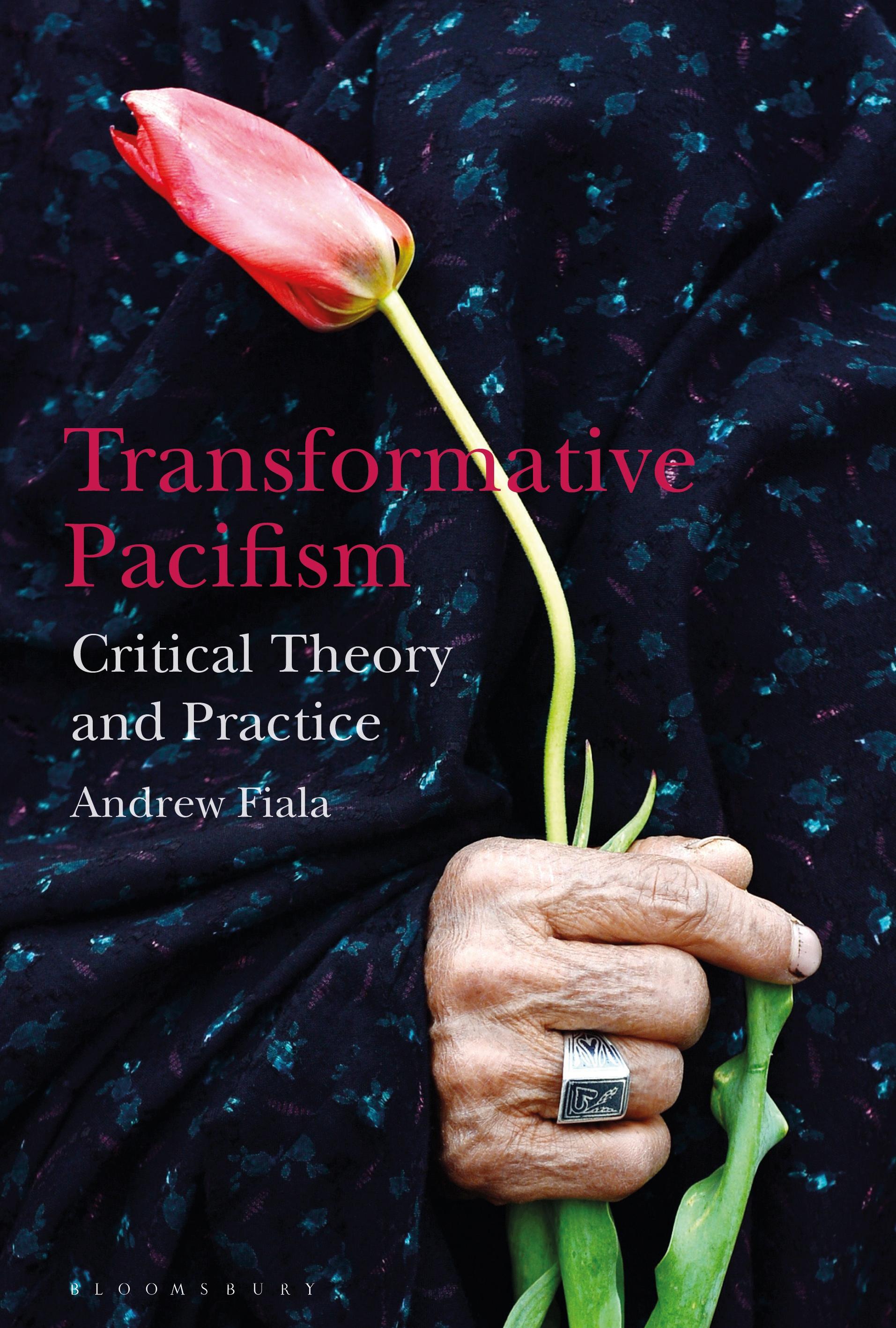
Defending pacifism against the charge that it is naïvely utopian, Transformative Pacifism offers a critical theory of the existing world order, and points in the direction of concrete ethical and political action.
Pacifism is a transformative philosophy with wide ranging implications. It aims to transform political, social, and psychological structures. Its focus is deep and wide. It is similar to other transformative social theories: feminism, ecology, animal welfare, cosmopolitanism, human rights theory. Indeed, behind those theories is often the pacifist idea that violence, power, and domination are wrong. Pacifist theory raises consciousness about unjustifiable violence. This in turn leads to transformations in practical life. Many other books defend nonviolence and pacifism by focusing on failed justifications of war, as well as on the strategic value of nonviolence. This book begins by reviewing and accepting those sort of arguments. It then focuses on what a commitment to pacifism and nonviolence means in terms of a variety of practical issues. Pacifists reject the violent presuppositions of a society based upon power, strength, nationalism, and the system of militarized nation-states. Pacifism transforms psychological, social, political, and economic life.
This book will be of interest to those who are disenchanted with ongoing violence, violent rhetoric, terrorism, wars, and the war industry. It gives anyone with pacifist sympathies reassurance: pacifists are not wrong to think that violence and war are immoral, irrational, and insane and that there is always an alternative.
Pacifism is a transformative philosophy with wide ranging implications. It aims to transform political, social, and psychological structures. Its focus is deep and wide. It is similar to other transformative social theories: feminism, ecology, animal welfare, cosmopolitanism, human rights theory. Indeed, behind those theories is often the pacifist idea that violence, power, and domination are wrong. Pacifist theory raises consciousness about unjustifiable violence. This in turn leads to transformations in practical life. Many other books defend nonviolence and pacifism by focusing on failed justifications of war, as well as on the strategic value of nonviolence. This book begins by reviewing and accepting those sort of arguments. It then focuses on what a commitment to pacifism and nonviolence means in terms of a variety of practical issues. Pacifists reject the violent presuppositions of a society based upon power, strength, nationalism, and the system of militarized nation-states. Pacifism transforms psychological, social, political, and economic life.
This book will be of interest to those who are disenchanted with ongoing violence, violent rhetoric, terrorism, wars, and the war industry. It gives anyone with pacifist sympathies reassurance: pacifists are not wrong to think that violence and war are immoral, irrational, and insane and that there is always an alternative.
Pay easily by card, Klarna, Apple Pay or Google Pay. Not happy? You always have a 14-day money-back guarantee. Read more in our terms. If you have any questions, email us at hello@memmo.org.
Memmo makes studying easier – wherever you are in the world. We bring your course books and smart study tools together in one place: summaries, quizzes, podcasts and flashcards. Plus Ted, your study buddy who answers anything you wonder. Over 50,000 students already study here – built to help you learn faster and stress less.