
Finalist for the European Studies Book Award
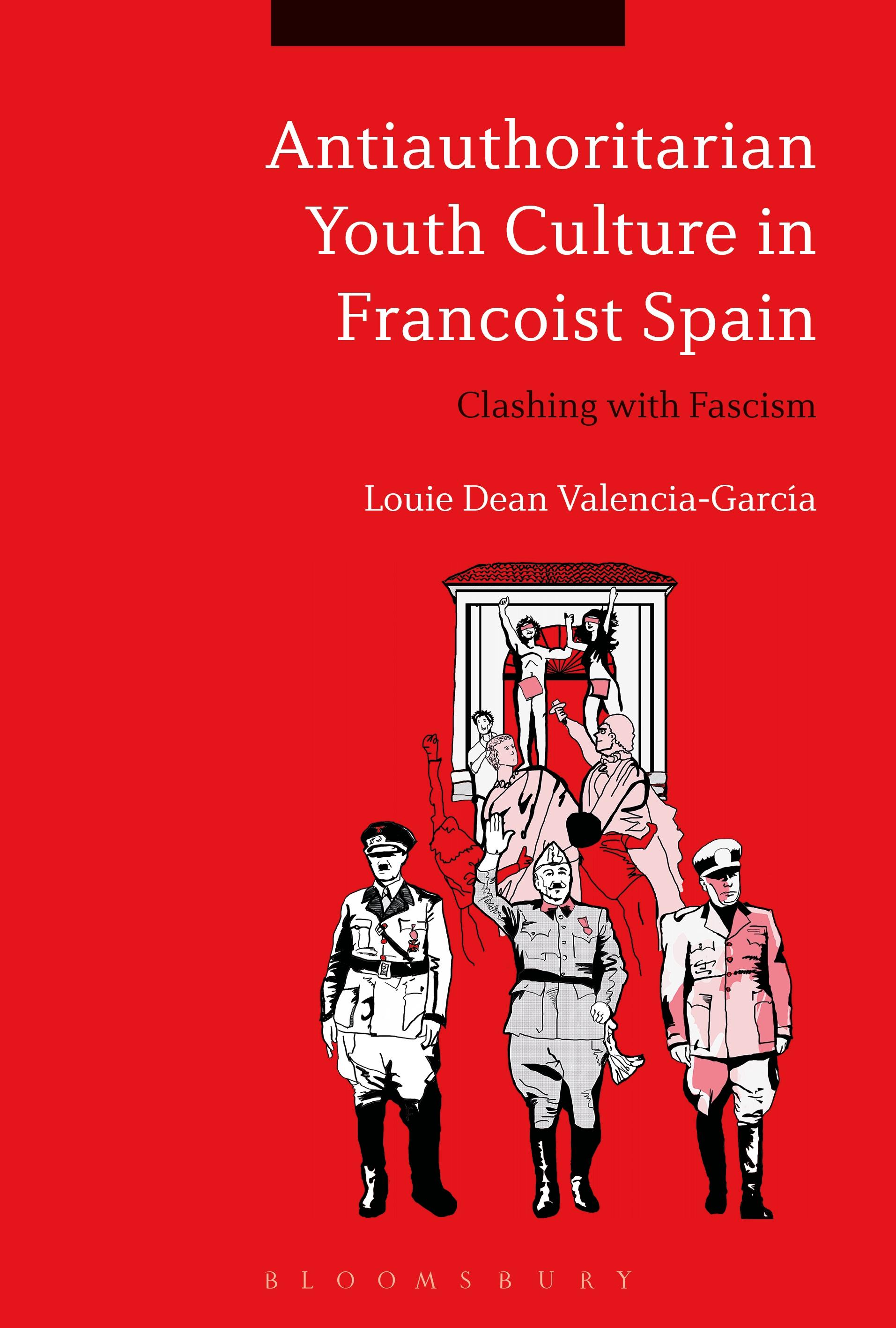
How did kids, hippies and punks challenge a fascist dictatorship and imagine an impossible dream of an inclusive future? This book explores the role of youth in shaping a democratic Spain, focusing on their urban performances of dissent, their consumption of censored literature, political-literary magazines and comic books and their involvement in a newly developed underground scene.
After forty years of dictatorship, Madrid became the centre of both a young democracy and a vibrant artistic scene by the early 1980s. Louie Dean Valencia-García skillfully examines how young Spaniards occupied public plazas, subverted Spanish cultural norms and undermined the authoritarian state by participating in a postmodern punk subculture that eventually grew into the 'Movida Madrileña'. In doing so, he exposes how this antiauthoritarian youth culture reflected a mixture of sexual liberation, a rejection of the ideological indoctrination of the dictatorship, a reinvention of native Iberian pluralistic traditions and a burgeoning global youth culture that connected the USA, Britain, France and Spain.
By analyzing young people's everyday acts of resistance, Antiauthoritarian Youth Culture in Francoist Spain offers a fascinating account of Madrid's youth and their role in the transition to the modern Spanish democracy.
How did kids, hippies and punks challenge a fascist dictatorship and imagine an impossible dream of an inclusive future? This book explores the role of youth in shaping a democratic Spain, focusing on their urban performances of dissent, their consumption of censored literature, political-literary magazines and comic books and their involvement in a newly developed underground scene.
After forty years of dictatorship, Madrid became the centre of both a young democracy and a vibrant artistic scene by the early 1980s. Louie Dean Valencia-García skillfully examines how young Spaniards occupied public plazas, subverted Spanish cultural norms and undermined the authoritarian state by participating in a postmodern punk subculture that eventually grew into the 'Movida Madrileña'. In doing so, he exposes how this antiauthoritarian youth culture reflected a mixture of sexual liberation, a rejection of the ideological indoctrination of the dictatorship, a reinvention of native Iberian pluralistic traditions and a burgeoning global youth culture that connected the USA, Britain, France and Spain.
By analyzing young people's everyday acts of resistance, Antiauthoritarian Youth Culture in Francoist Spain offers a fascinating account of Madrid's youth and their role in the transition to the modern Spanish democracy.
Pay easily by card, Klarna, Apple Pay or Google Pay. Not happy? You always have a 14-day money-back guarantee. Read more in our terms. If you have any questions, email us at hello@memmo.org.
Memmo makes studying easier – wherever you are in the world. We bring your course books and smart study tools together in one place: summaries, quizzes, podcasts and flashcards. Plus Ted, your study buddy who answers anything you wonder. Over 50,000 students already study here – built to help you learn faster and stress less.