
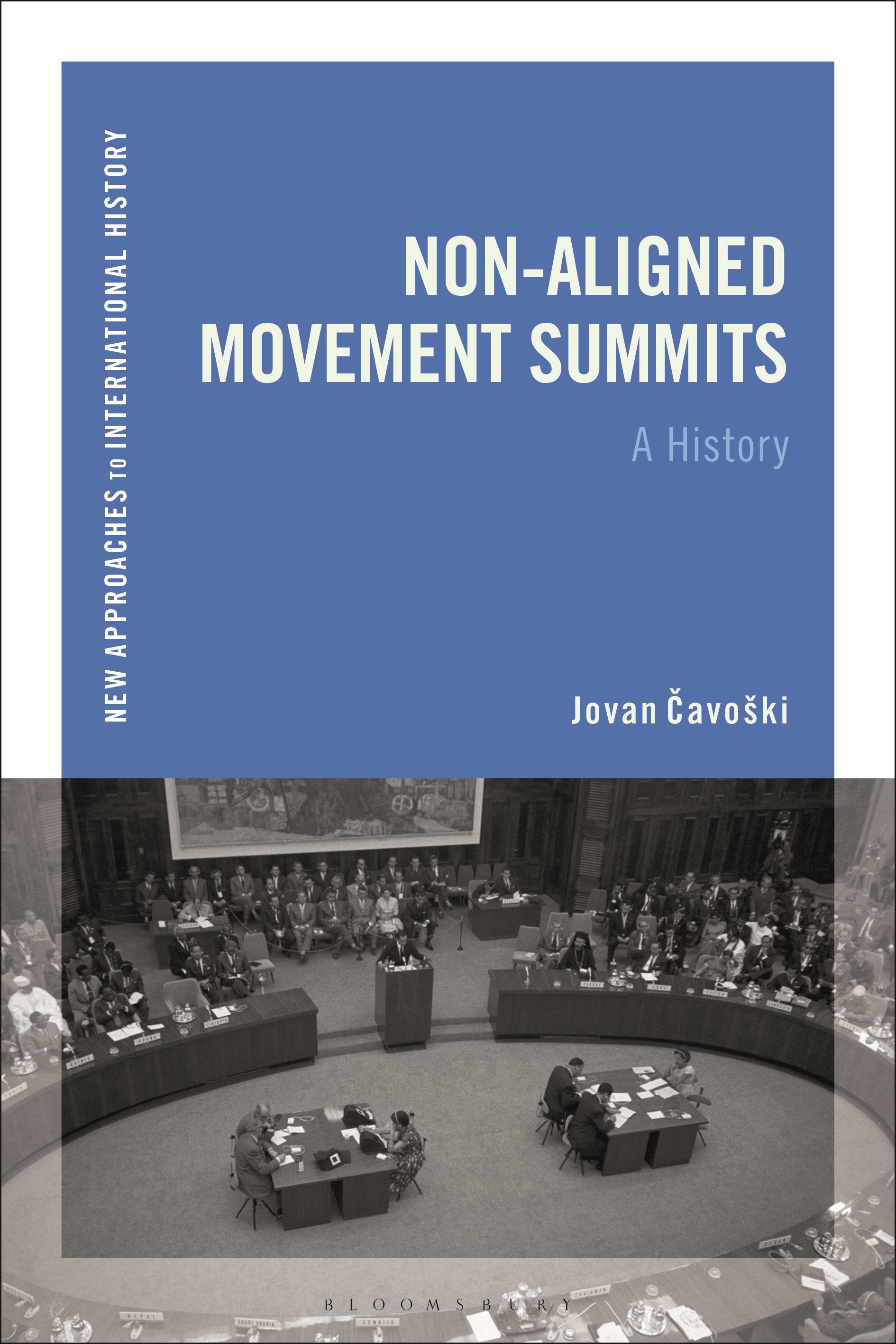
Using newly declassified documents from Serbian, British, Indian, Chinese, Myanmar, U.S., and Soviet archives, Non-Aligned Movement Summits shows how the Non-Aligned Movement (NAM) gradually evolved into the third force of Cold War politics, enveloping most of the post-colonial and non-bloc world.
Jovan Cavoški follows the evolution of the NAM through its summits and other gatherings, during which major political decisions pertaining to the destiny of the Third World were made. These events were scrutinized by all major powers and had a corresponding effect on their policies. From the Belgrade Conference in 1961 until 1989, all major Third World and non-bloc nations met to demonstrate to the Eastern and Western Blocs that they were independent, active and respected participants in world affairs. Cavoški shows how these summits were also closely related to events occurring in the relationship between the two blocs, providing opportunities for non-bloc actors to influence the global balance of power.
By moving the focus of 20th-century international history away from the bloc nations, and instead giving developing nations in Africa and Asia due attention, this book provides a fresh perspective on Cold War history and fills a significant gap in the literature. It is an important study for all students and scholars of the Cold War and international history.
Jovan Cavoški follows the evolution of the NAM through its summits and other gatherings, during which major political decisions pertaining to the destiny of the Third World were made. These events were scrutinized by all major powers and had a corresponding effect on their policies. From the Belgrade Conference in 1961 until 1989, all major Third World and non-bloc nations met to demonstrate to the Eastern and Western Blocs that they were independent, active and respected participants in world affairs. Cavoški shows how these summits were also closely related to events occurring in the relationship between the two blocs, providing opportunities for non-bloc actors to influence the global balance of power.
By moving the focus of 20th-century international history away from the bloc nations, and instead giving developing nations in Africa and Asia due attention, this book provides a fresh perspective on Cold War history and fills a significant gap in the literature. It is an important study for all students and scholars of the Cold War and international history.
Pages: 312
Category: Statsvetenskap & Politik
e-ISBN: 9781350032101
Shipping weight: 1.2 kg
Ships in: 1-2 days
Pay easily by card, Klarna, Apple Pay or Google Pay. Not happy? You always have a 14-day money-back guarantee. Read more in our terms. If you have any questions, email us at hello@memmo.org.
Memmo makes studying easier – wherever you are in the world. We bring your course books and smart study tools together in one place: summaries, quizzes, podcasts and flashcards. Plus Ted, your study buddy who answers anything you wonder. Over 50,000 students already study here – built to help you learn faster and stress less.