
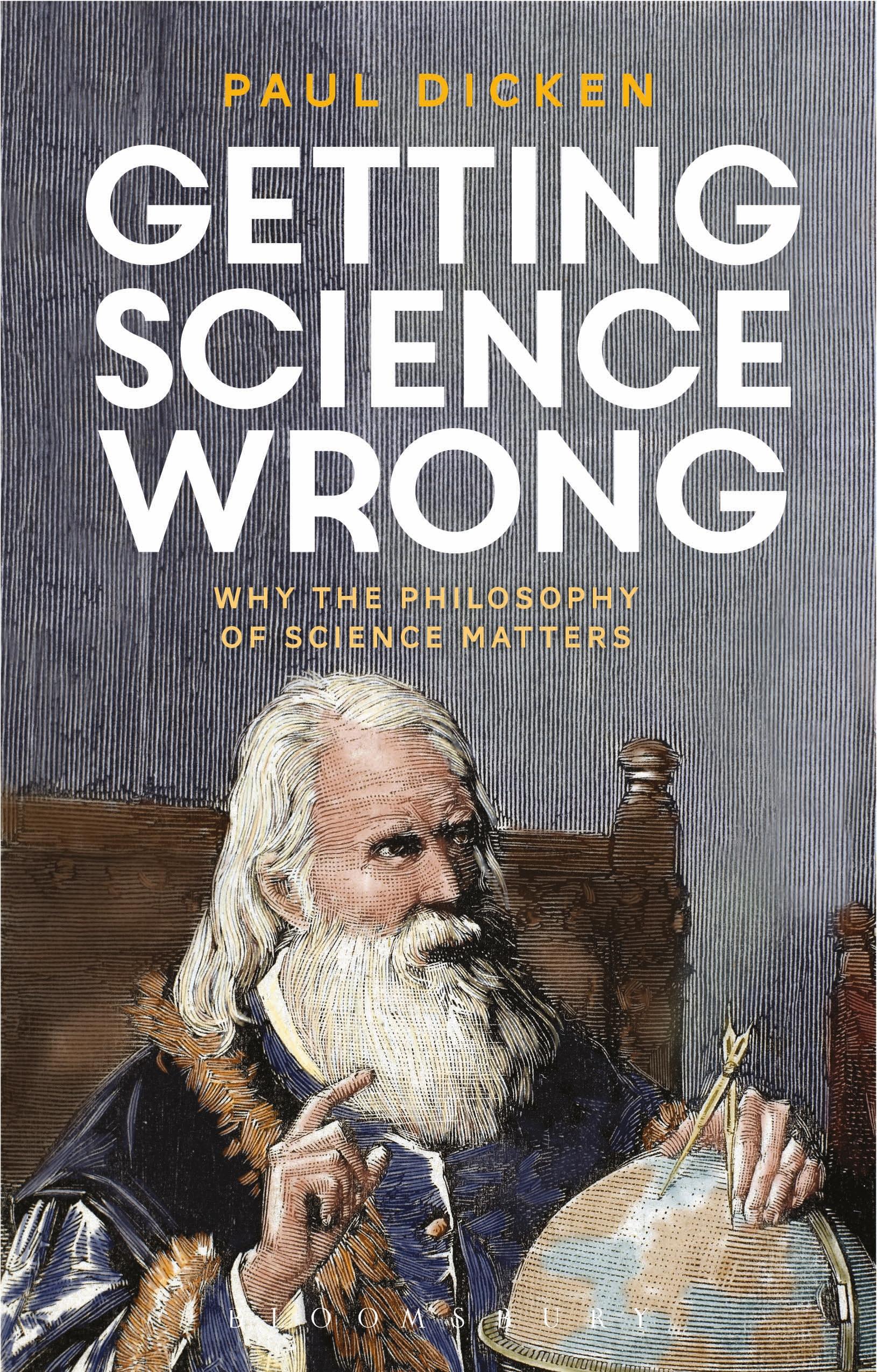
When Galileo dropped cannon-balls from the top of the Leaning Tower of Pisa, he did more than overturn centuries of scientific orthodoxy. At a stroke, he established a new conception of the scientific method based upon careful experimentation and rigorous observation - and also laid the groundwork for an ongoing conflict between the critical open-mindedness of science and the recalcitrant dogmatism of religion that would continue to the modern day.
The problem is that Galileo never performed his most celebrated experiment in Pisa. In fact, he rarely conducted any experiments at all. The Church publicly celebrated his work, and Galileo enjoyed patronage from the great and the powerful; his ecclesiastical difficulties only began when disgruntled colleagues launched a campaign to discredit their academic rival. But what does this tell us about modern science if its own foundation myth turns out to be nothing more than political propaganda?
Getting Science Wrong discusses some of the most popular misconceptions about science, and their continuing role in the public imagination. Drawing upon the history and philosophy of science it challenges wide-spread assumptions and misunderstandings, from creationism and climate change to the use of statistics and computer modelling. The result is an engaging introduction to contentious issues in the philosophy of science and a new way of looking at the role of science in society.
The problem is that Galileo never performed his most celebrated experiment in Pisa. In fact, he rarely conducted any experiments at all. The Church publicly celebrated his work, and Galileo enjoyed patronage from the great and the powerful; his ecclesiastical difficulties only began when disgruntled colleagues launched a campaign to discredit their academic rival. But what does this tell us about modern science if its own foundation myth turns out to be nothing more than political propaganda?
Getting Science Wrong discusses some of the most popular misconceptions about science, and their continuing role in the public imagination. Drawing upon the history and philosophy of science it challenges wide-spread assumptions and misunderstandings, from creationism and climate change to the use of statistics and computer modelling. The result is an engaging introduction to contentious issues in the philosophy of science and a new way of looking at the role of science in society.
Pages: 224
Category: Vetenskapsteori och forskningsmetod
e-ISBN: 9781350007291
Shipping weight: 1.2 kg
Ships in: 1-2 days
Pay easily by card, Klarna, Apple Pay or Google Pay. Not happy? You always have a 14-day money-back guarantee. Read more in our terms. If you have any questions, email us at hello@memmo.org.
Memmo makes studying easier – wherever you are in the world. We bring your course books and smart study tools together in one place: summaries, quizzes, podcasts and flashcards. Plus Ted, your study buddy who answers anything you wonder. Over 50,000 students already study here – built to help you learn faster and stress less.