
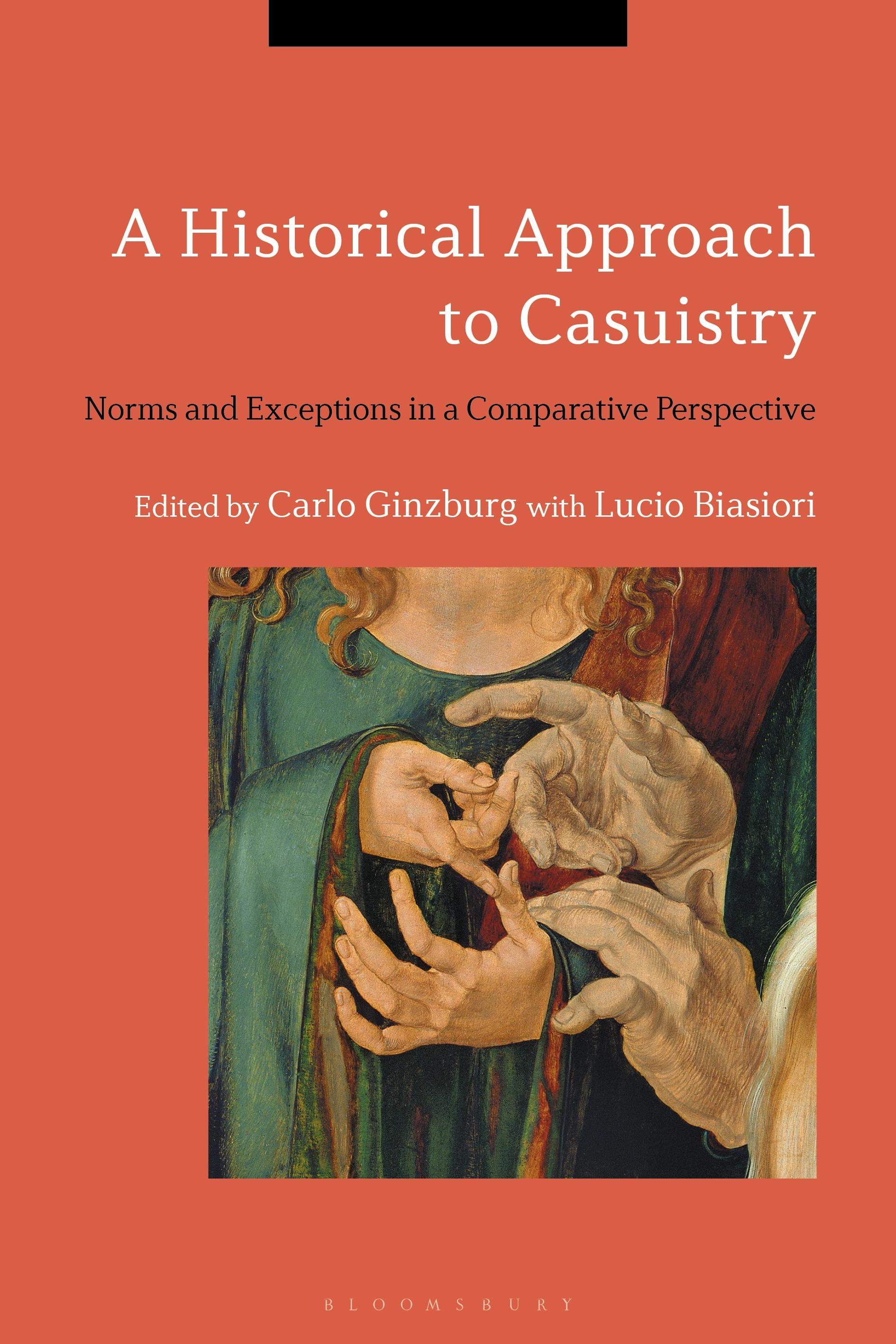
Casuistry, the practice of resolving moral problems by applying a logical framework, has had a much larger historical presence before and since it was given a name in the Renaissance. The contributors to this volume examine a series of case studies to explain how different cultures and religions, past and present, have wrestled with morality's exceptions and margins and the norms with which they break. For example, to what extent have the Islamic and Judaic traditions allowed smoking tobacco or gambling? How did the Spanish colonization of America generate formal justifications for what it claimed? Where were the lines of transgression around food, money-lending, and sex in Ancient Greece and Rome? How have different systems dealt with suicide?
Casuistry lives at the heart of such questions, in the tension between norms and exceptions, between what seems forbidden but is not. A Historical Approach to Casuistry does not only examine this tension, but re-frames casuistry as a global phenomenon that has informed ethical and religious traditions for millennia, and that continues to influence our lives today.
Casuistry lives at the heart of such questions, in the tension between norms and exceptions, between what seems forbidden but is not. A Historical Approach to Casuistry does not only examine this tension, but re-frames casuistry as a global phenomenon that has informed ethical and religious traditions for millennia, and that continues to influence our lives today.
Pay easily by card, Klarna, Apple Pay or Google Pay. Not happy? You always have a 14-day money-back guarantee. Read more in our terms. If you have any questions, email us at hello@memmo.org.
Memmo makes studying easier – wherever you are in the world. We bring your course books and smart study tools together in one place: summaries, quizzes, podcasts and flashcards. Plus Ted, your study buddy who answers anything you wonder. Over 50,000 students already study here – built to help you learn faster and stress less.