
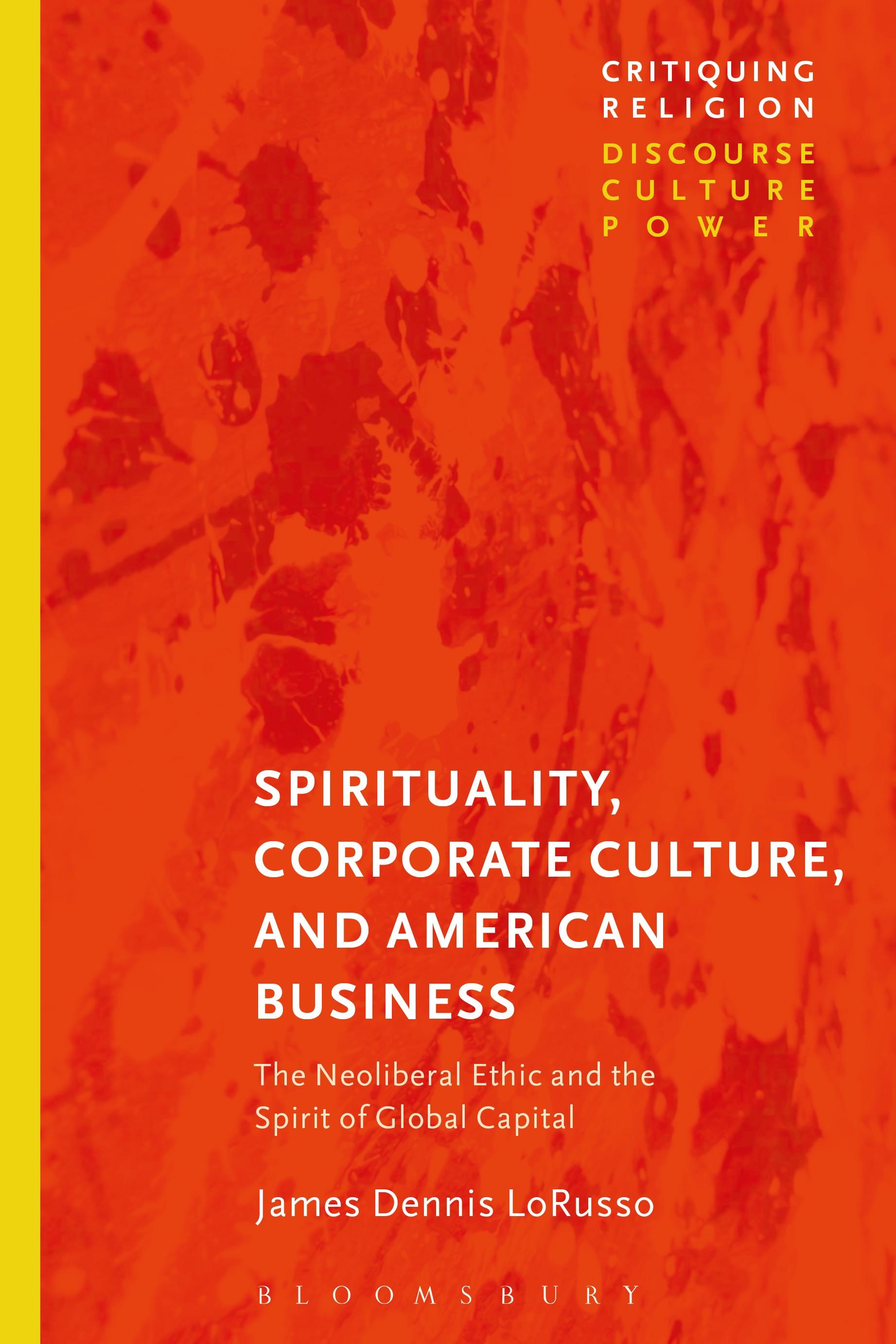
By the early twenty-first century, Americans had embraced a holistic vision of work, that one's job should be imbued with meaning and purpose, that business should serve not only stockholders but also the common good, and that, for many, should attend to the “spiritual” health of individuals and society alike.
While many voices celebrate efforts to introduce “spirituality in the workplace” as a recent innovation that holds the potential to positively transform business and the American workplace, James Dennis LoRusso argues that workplace spirituality is in fact more closely aligned with neoliberal ideologies that serve the interests of private wealth and undermine the power of working people.
LoRusso traces how this new moral language of business emerged as part of the larger shift away from the post-New Deal welfare state towards today's global market-oriented social order. Building on other studies that emphasize the link between American religious conservatism and the rise of global capitalism, LoRusso shows how progressive “spirituality” remains a vital part of this story as well. Drawing on cultural history as well as case studies from New York City and San Francisco of businesses and leading advocates of workplace spirituality, this book argues that religion reveals much about work, corporate culture, and business in contemporary America.
While many voices celebrate efforts to introduce “spirituality in the workplace” as a recent innovation that holds the potential to positively transform business and the American workplace, James Dennis LoRusso argues that workplace spirituality is in fact more closely aligned with neoliberal ideologies that serve the interests of private wealth and undermine the power of working people.
LoRusso traces how this new moral language of business emerged as part of the larger shift away from the post-New Deal welfare state towards today's global market-oriented social order. Building on other studies that emphasize the link between American religious conservatism and the rise of global capitalism, LoRusso shows how progressive “spirituality” remains a vital part of this story as well. Drawing on cultural history as well as case studies from New York City and San Francisco of businesses and leading advocates of workplace spirituality, this book argues that religion reveals much about work, corporate culture, and business in contemporary America.
Pay easily by card, Klarna, Apple Pay or Google Pay. Not happy? You always have a 14-day money-back guarantee. Read more in our terms. If you have any questions, email us at hello@memmo.org.
Memmo makes studying easier – wherever you are in the world. We bring your course books and smart study tools together in one place: summaries, quizzes, podcasts and flashcards. Plus Ted, your study buddy who answers anything you wonder. Over 50,000 students already study here – built to help you learn faster and stress less.