
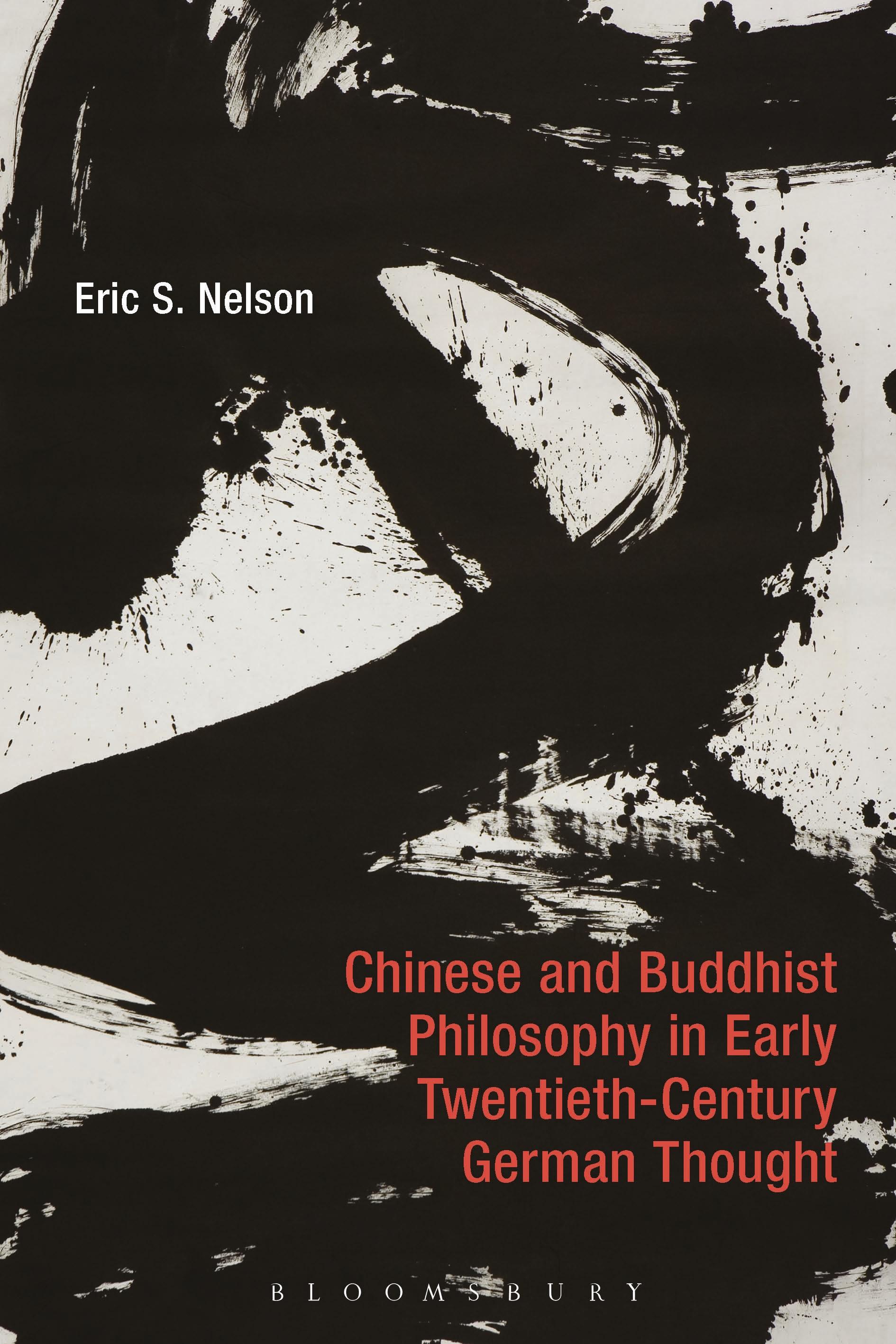
Presenting a comprehensive portrayal of the reading of Chinese and Buddhist philosophy in early twentieth-century German thought, Chinese and Buddhist Philosophy in Early Twentieth-Century German Thought examines the implications of these readings for contemporary issues in comparative and intercultural philosophy.
Through a series of case studies from the late 19th-century and early 20th-century, Eric Nelson focuses on the reception and uses of Confucianism, Daoism, and Buddhism in German philosophy, covering figures as diverse as Buber, Heidegger, and Misch. He argues that the growing intertextuality between traditions cannot be appropriately interpreted through notions of exclusive identities, closed horizons, or unitary traditions. Providing an account of the context, motivations, and hermeneutical strategies of early twentieth-century European thinkers' interpretation of Asian philosophy, Nelson also throws new light on the question of the relation between Heidegger and Asian philosophy. Reflecting the growing interest in the possibility of intercultural and global philosophy, Chinese and Buddhist Philosophy in Early Twentieth-Century German Thought opens up the possibility of a more inclusive intercultural conception of philosophy.
Through a series of case studies from the late 19th-century and early 20th-century, Eric Nelson focuses on the reception and uses of Confucianism, Daoism, and Buddhism in German philosophy, covering figures as diverse as Buber, Heidegger, and Misch. He argues that the growing intertextuality between traditions cannot be appropriately interpreted through notions of exclusive identities, closed horizons, or unitary traditions. Providing an account of the context, motivations, and hermeneutical strategies of early twentieth-century European thinkers' interpretation of Asian philosophy, Nelson also throws new light on the question of the relation between Heidegger and Asian philosophy. Reflecting the growing interest in the possibility of intercultural and global philosophy, Chinese and Buddhist Philosophy in Early Twentieth-Century German Thought opens up the possibility of a more inclusive intercultural conception of philosophy.
Pay easily by card, Klarna, Apple Pay or Google Pay. Not happy? You always have a 14-day money-back guarantee. Read more in our terms. If you have any questions, email us at hello@memmo.org.
Memmo makes studying easier – wherever you are in the world. We bring your course books and smart study tools together in one place: summaries, quizzes, podcasts and flashcards. Plus Ted, your study buddy who answers anything you wonder. Over 50,000 students already study here – built to help you learn faster and stress less.