
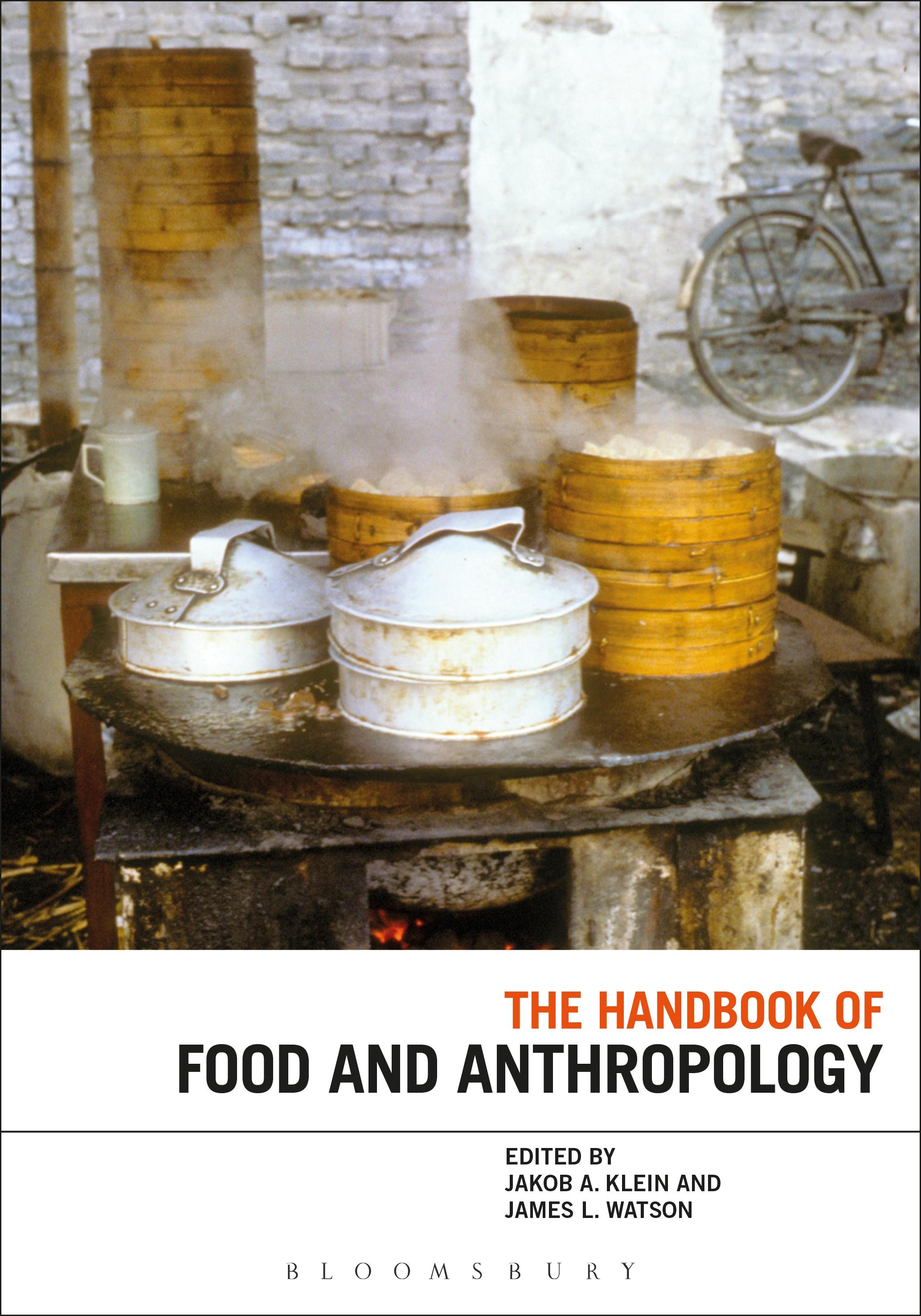
Winner of the CHOICE Outstanding Academic Title of the Year Award 2017.
Interest in the anthropology of food has grown significantly in recent years. This is the first handbook to provide a detailed overview of all major areas of the field.
20 original essays by leading figures in the discipline examine traditional areas of research as well as cutting-edge areas of inquiry. Divided into three parts – Food, Self and Others; Food Security, Nutrition and Food Safety; Food as Craft, Industry and Ethics – the book covers topics such as identity, commensality, locality, migration, ethical consumption, artisanal foods, and children's food. Each chapter features rich ethnography alongside wider analysis of the subject.
Internationally renowned scholars offer insights into their core areas of specialty. Examples include Michael Herzfeld on culinary stereotypes, David Sutton on how to conduct an anthropology of cooking, Johan Pottier on food insecurity, and Melissa Caldwell on practicing food anthropology. The book also features exceptional geographic and cultural diversity, with chapters on South Asia, South Africa, the United States of America, post-socialist societies, Maoist China, and Muslim and Jewish foodways.
Invaluable as a reference as well as for teaching, The Handbook of Food and Anthropology serves to define this increasingly important field. An essential resource for researchers and students in anthropology and food studies.
Interest in the anthropology of food has grown significantly in recent years. This is the first handbook to provide a detailed overview of all major areas of the field.
20 original essays by leading figures in the discipline examine traditional areas of research as well as cutting-edge areas of inquiry. Divided into three parts – Food, Self and Others; Food Security, Nutrition and Food Safety; Food as Craft, Industry and Ethics – the book covers topics such as identity, commensality, locality, migration, ethical consumption, artisanal foods, and children's food. Each chapter features rich ethnography alongside wider analysis of the subject.
Internationally renowned scholars offer insights into their core areas of specialty. Examples include Michael Herzfeld on culinary stereotypes, David Sutton on how to conduct an anthropology of cooking, Johan Pottier on food insecurity, and Melissa Caldwell on practicing food anthropology. The book also features exceptional geographic and cultural diversity, with chapters on South Asia, South Africa, the United States of America, post-socialist societies, Maoist China, and Muslim and Jewish foodways.
Invaluable as a reference as well as for teaching, The Handbook of Food and Anthropology serves to define this increasingly important field. An essential resource for researchers and students in anthropology and food studies.
Pay easily by card, Klarna, Apple Pay or Google Pay. Not happy? You always have a 14-day money-back guarantee. Read more in our terms. If you have any questions, email us at hello@memmo.org.
Memmo makes studying easier – wherever you are in the world. We bring your course books and smart study tools together in one place: summaries, quizzes, podcasts and flashcards. Plus Ted, your study buddy who answers anything you wonder. Over 50,000 students already study here – built to help you learn faster and stress less.