
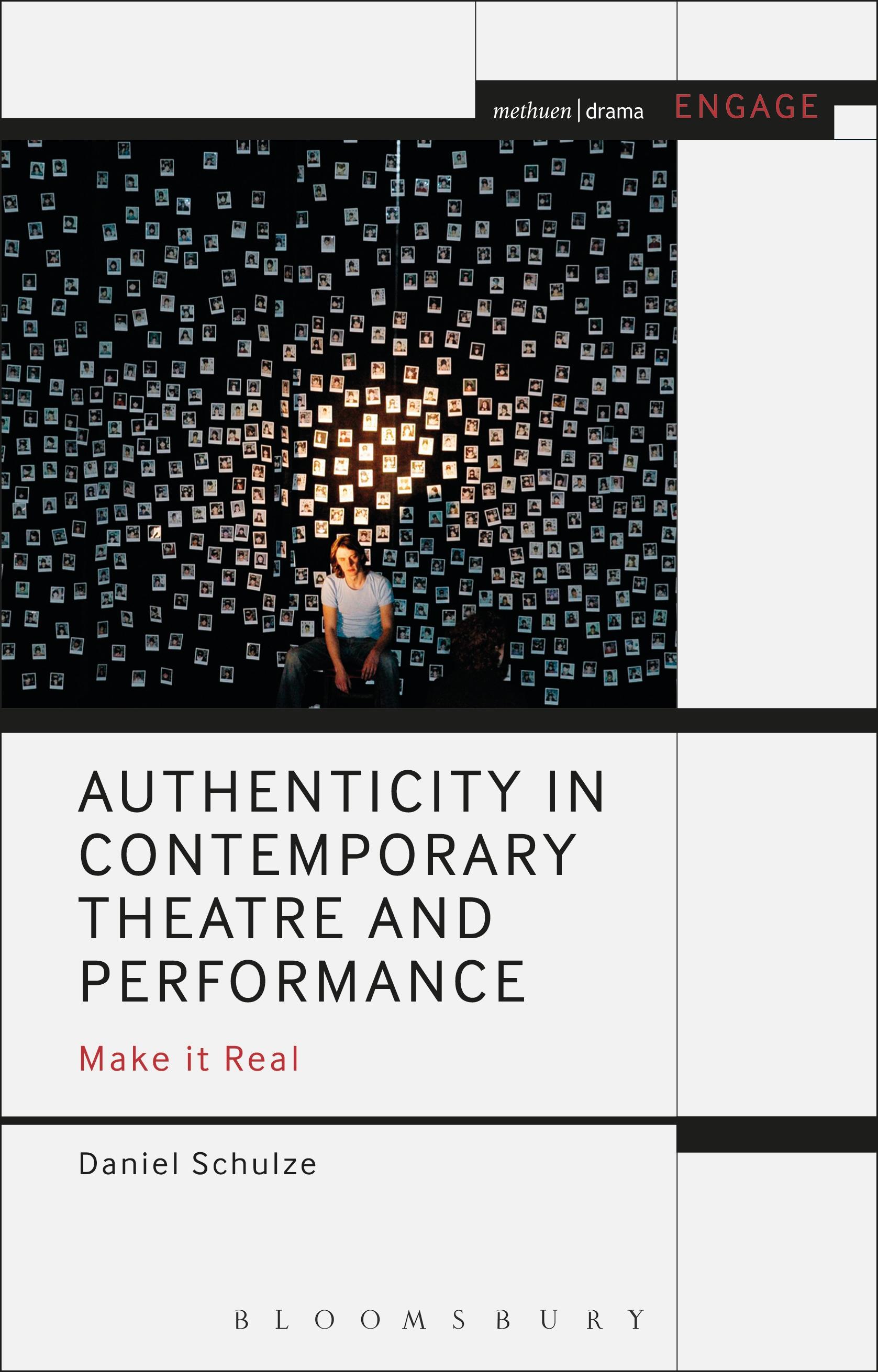
Authenticity is one of the major values of our time. It is visible everywhere, from clothing to food to self-help books. While it is such a prevalent phenomenon, it is also very evasive. This study analyses the 'culture of authenticity' as it relates to theatre and establishes a theoretical framework for analysis. Daniel Schulz argues that authenticity is sought out and marked by the individual and springs from a culture that is perceived as inherently fake and lacking depth. The study examines three types of performances that exemplify this structure of feeling: intimate theatre seen in Forced Entertainment productions such as Quizoola! (1996, 2015), as well as one-on-one performances, such as Oentroerend Goed's Internal (2009); immersive theatres as illustrated by Punchdrunk's shows The Masque of the Red Death (2007) and The Drowned Man (2013) which provide a visceral, sensate understanding for audiences; finally, the study scrutinises the popular category of documentary theatre through various examples such as Robin Soan's Talking to Terrorists (2005), David Hare's Stuff Happens (2004), Edmund Burke's Black Watch (2007) and Dennis Kelly's pseudo-documentary play Taking Care of Baby (2007). It is specifically the value of the document that lends such performances their truth-value and consequently their authenticity.
The study analyses how the success of these disparate categories of performance can be explained through a common concern with notions of truth and authenticity. It argues that this hunger for authentic, unmediated experience is characteristic of a structure of feeling that has superseded postmodernism and that actively seeks to resignify artistic and cultural practices of the everyday.
The study analyses how the success of these disparate categories of performance can be explained through a common concern with notions of truth and authenticity. It argues that this hunger for authentic, unmediated experience is characteristic of a structure of feeling that has superseded postmodernism and that actively seeks to resignify artistic and cultural practices of the everyday.
Pay easily by card, Klarna, Apple Pay or Google Pay. Not happy? You always have a 14-day money-back guarantee. Read more in our terms. If you have any questions, email us at hello@memmo.org.
Memmo makes studying easier – wherever you are in the world. We bring your course books and smart study tools together in one place: summaries, quizzes, podcasts and flashcards. Plus Ted, your study buddy who answers anything you wonder. Over 75,000 students already study here – built to help you learn faster and stress less.