
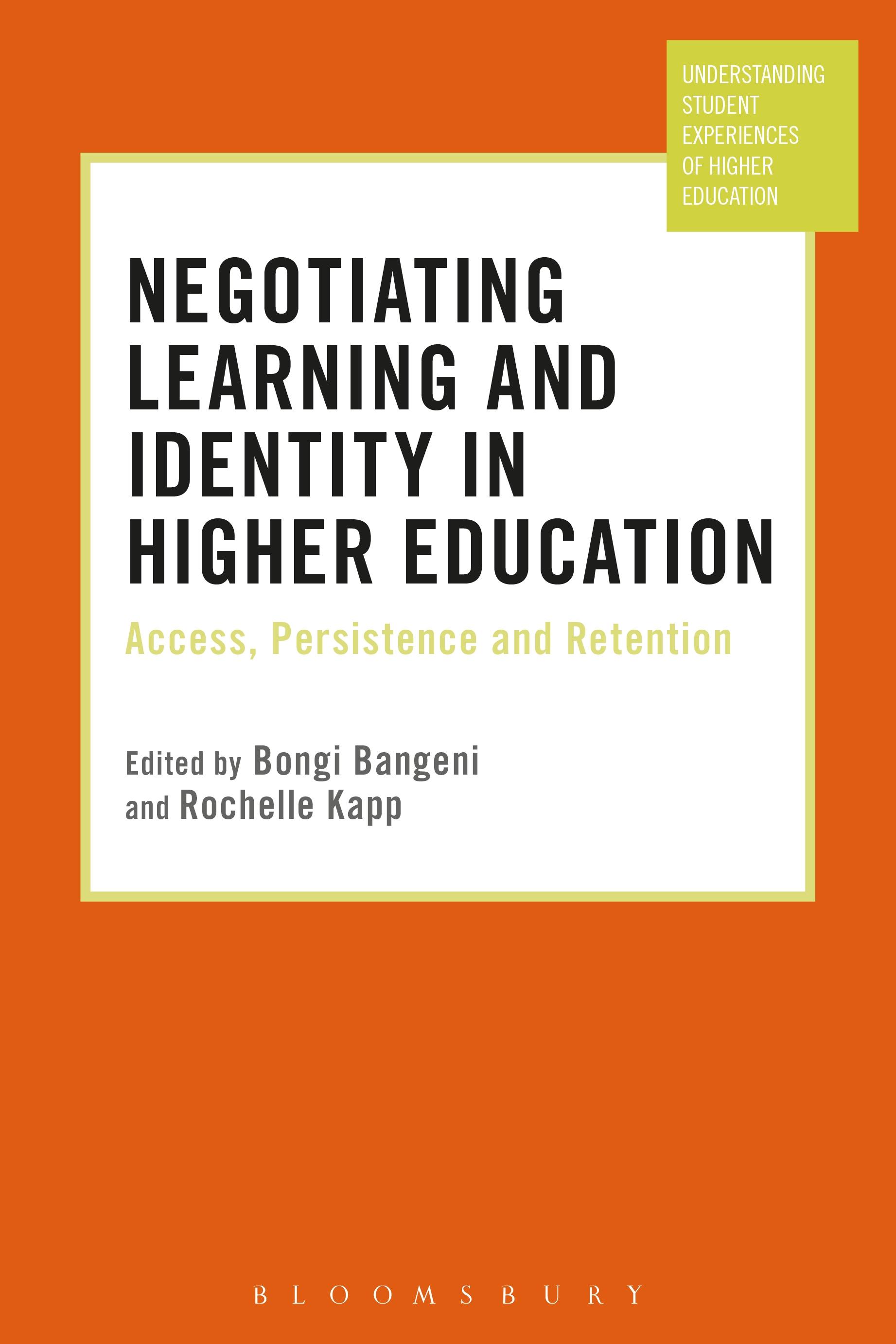
While access to higher education has increased globally, student retention has become a major challenge. This book analyses various aspects of the learning pathways of black students from a range of disciplinary backgrounds at a relatively elite, English-medium, historically white South African university. The students are part of a generation of young black people who have grown up in the new South Africa and are gaining access to higher education in unprecedented numbers. Based on two longitudinal case studies, Negotiating Learning and Identity in Higher Education makes a contribution to the debates about how to facilitate access and graduation of working-class students. The longitudinal perspective enabled the students participating in the research to reflect on their transition to university and the stumbling blocks they encountered in their senior years. The contributors show that the school-to-university transition is not linear or universal. Students had to negotiate multiple transitions at various times and both resist and absorb institutional, disciplinary and home discourses.
The book describes and analyses the students' ambivalence as they straddle often conflicting discourses within their disciplines; within the institution; between home and the institution, and as they occupy multiple subject positions that are related to the boundaries of place and time. Each chapter also describes the ways in which the institution supports and/or hinders students' progress, explores the implications of its findings for models of support and addresses the issue of what constitutes meaningful access to institutional and disciplinary discourses.
The book describes and analyses the students' ambivalence as they straddle often conflicting discourses within their disciplines; within the institution; between home and the institution, and as they occupy multiple subject positions that are related to the boundaries of place and time. Each chapter also describes the ways in which the institution supports and/or hinders students' progress, explores the implications of its findings for models of support and addresses the issue of what constitutes meaningful access to institutional and disciplinary discourses.
Pay easily by card, Klarna, Apple Pay or Google Pay. Not happy? You always have a 14-day money-back guarantee. Read more in our terms. If you have any questions, email us at hello@memmo.org.
Memmo makes studying easier – wherever you are in the world. We bring your course books and smart study tools together in one place: summaries, quizzes, podcasts and flashcards. Plus Ted, your study buddy who answers anything you wonder. Over 50,000 students already study here – built to help you learn faster and stress less.