
Today, examples of the public’s engagement with political issues through commercial and communicative mechanisms have become increasingly common. In February 2012, the Susan G. Komen Foundation reversed a decision to cease funding of cancer screening programs through Planned Parenthood amidst massive public disapproval. The same year, restaurant chain Chic-fil-A became embroiled in a massive public debate over statements its President made regarding same-sex marriage. What exactly is going on in such public engagement, and how does this relate to existing ideas regarding the public sphere and political participation? Is the public becoming increasingly vocal in its complaints? Or are new relationships between the public and economic and political leaders emerging?
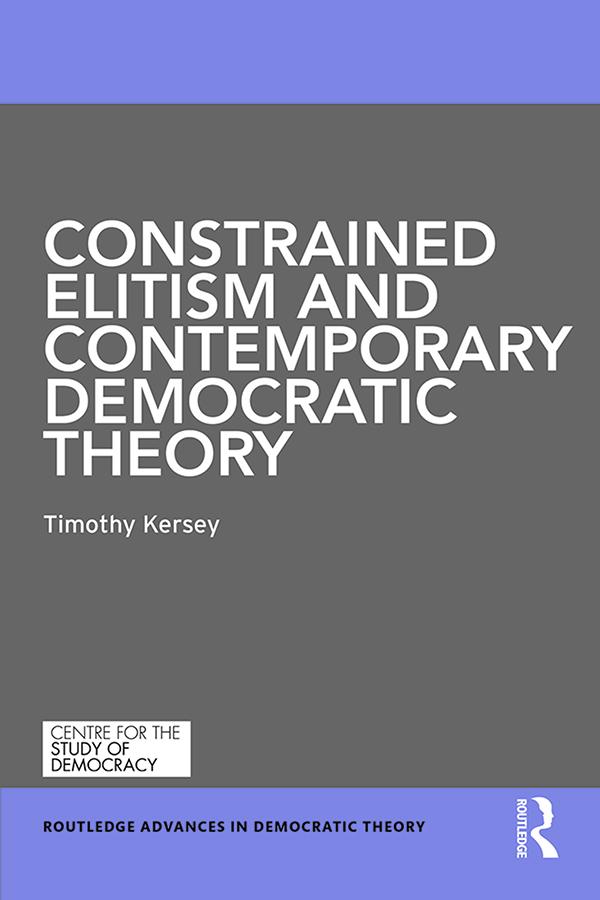
Timothy Kersey’s book asserts that the widespread utilization of internet communications technologies, especially social media applications, has brought forth a variety of new communicative behaviors and relationships within liberal polities. Through quick and seemingly chaotic streams of networked communication, the actions of these elites are subject to increasingly intense scrutiny and short-term pressure to ameliorate or at least address the concerns of segments of the population. By examining these new patterns of behavior among both elites and the general public, Kersey unearths the implications of these patterns for contemporary democratic theory, and argues that contemporary conceptualizations of "the public’" need to be modified to more accurately reflect practices of online communication and participation.
By engaging with this topical issue, Kersey is able to closely examine the self-organization of both elite and non-elite segments of the population within the realm of networked communication, and the relations and interactions between these segments. His book combines perspectives from political theory and communication studies and so will be widely relevant across both disciplines.
Pay easily by card, Klarna, Apple Pay or Google Pay. Not happy? You always have a 14-day money-back guarantee. Read more in our terms. If you have any questions, email us at hello@memmo.org.
Memmo makes studying easier – wherever you are in the world. We bring your course books and smart study tools together in one place: summaries, quizzes, podcasts and flashcards. Plus Ted, your study buddy who answers anything you wonder. Over 50,000 students already study here – built to help you learn faster and stress less.