
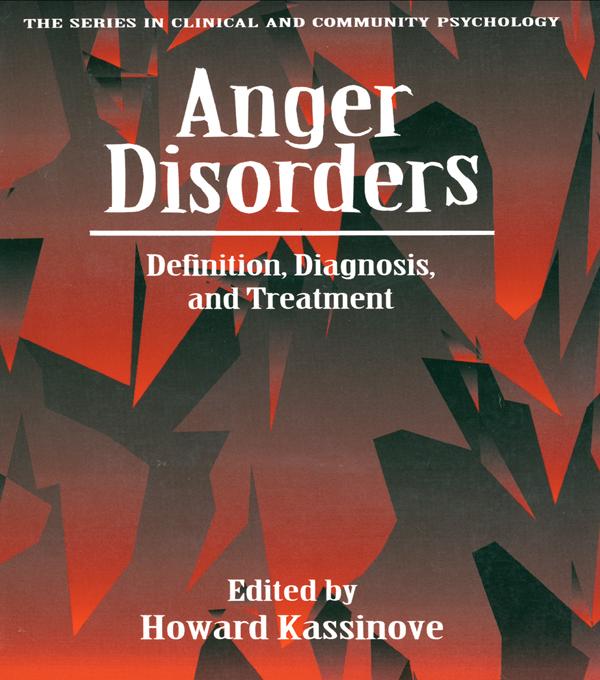
Anger is a daily experience. It is encountered in a number of interpersonal, family and occupational situations. Research indicates that even "normal" parents worry that they will lose control of their anger and harm their children. When short-lived and of low intensity, anger may be of some help to us; in contrast, when it is persistent and intense, it is typically highly disruptive.; This text reviews facts and theories of anger. Anger is differentiated from annoyance, fury, rage, hostility and the behaviours of aggression and violence, and attention is paid to understanding anger both as a normal experience and as a clinical disorder. Specific anger diagnoses are presented to describe disruptive anger states and traits. Anger in criminal populations is also discussed and behaviour-analytic, cognitive-constructivist and cross-cultural perspectives are presented in detail.; The book argues that it is important to understand the causes, correlations and outcomes of anger and to develop effective remediation programmes when anger is excessive and disruptive. Thus, following a meta-analyses of the effectiveness of published treatments, two chapters present "ideal" therapy programmes for adult and childhood adolescent anger disorders. Finally, a model is presented to help understand anger development and resolution.
Pay easily by card, Klarna, Apple Pay or Google Pay. Not happy? You always have a 14-day money-back guarantee. Read more in our terms. If you have any questions, email us at hello@memmo.org.
Memmo makes studying easier – wherever you are in the world. We bring your course books and smart study tools together in one place: summaries, quizzes, podcasts and flashcards. Plus Ted, your study buddy who answers anything you wonder. Over 50,000 students already study here – built to help you learn faster and stress less.
You might also like
Buy the book0