
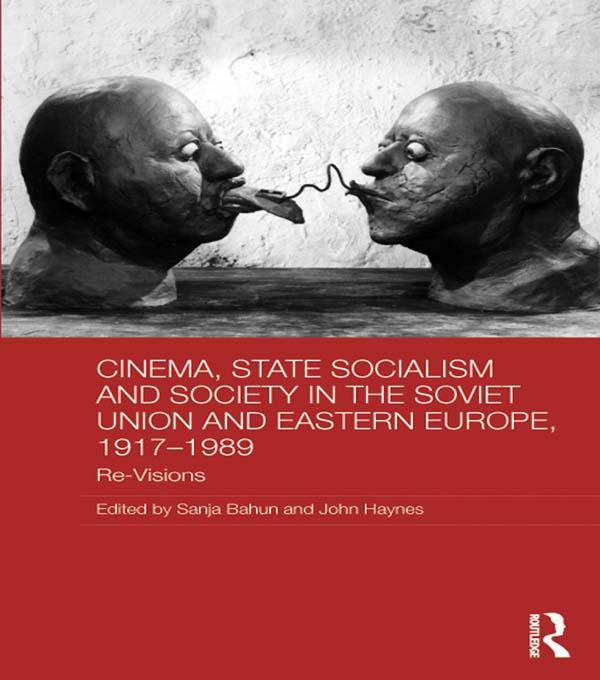
This book presents a comprehensive re-examination of the cinemas of the Soviet Union and Central and Eastern Europe during the communist era. It argues that, since the end of communism in these countries, film scholars are able to view these cinemas in a different way, no longer bound by an outlook relying on binary Cold War terms. With the opening of archives in Eastern Europe and the former Soviet Union, much more is known about these states and societies; at the same time, the field has been reinvigorated by its opening up to more contemporary concepts, themes and approaches in film studies and adjacent disciplines. Taking stock of these developments, this book presents a rich, varied tapestry, relating specific films to specific national and transnational circumstances, rather than viewing them as a single, monolithic "Cold War Communist" cinema.
Pay easily by card, Klarna, Apple Pay or Google Pay. Not happy? You always have a 14-day money-back guarantee. Read more in our terms. If you have any questions, email us at hello@memmo.org.
Memmo makes studying easier – wherever you are in the world. We bring your course books and smart study tools together in one place: summaries, quizzes, podcasts and flashcards. Plus Ted, your study buddy who answers anything you wonder. Over 50,000 students already study here – built to help you learn faster and stress less.