
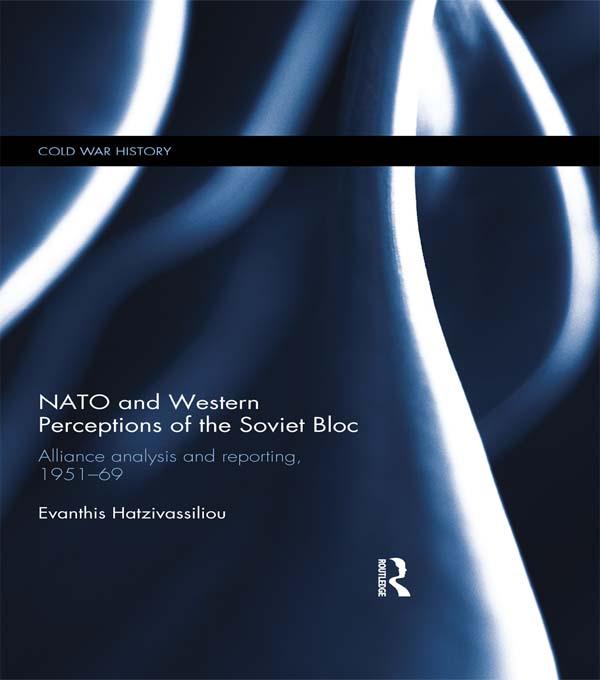
This book examines the NATO reports on the Soviet bloc's political and economic system, from 1951 to the aftermath of the Soviet invasion of Czechoslovakia and the beginning of detente.
As part of the wider history of Cold War Alliances, the detailed assessments of the NATO experts regarding the non-military aspects of Soviet power are a crucial indicator of Western/allied perceptions of the adversary. Their study allows us to widen the discussion on the Western alliance, the accuracy of its information or perceptions, and the nature of the Cold War.
Hatzivassiliou argues that the Cold War was not only a strategic dilemma (although it certainly was that, as well), but also the latest stage of the crisis of legitimization which had been raging since the dawn of modernity. NATO/Western analysis is examined in this context. At the same time, the book discusses the relative influence of the major NATO members – US and British influence was strong while French, West German and Italian influence was also significant – in the drafting of the reports, and thus in shaping the alliance’s perceptions during the Cold War.
This book will be of much interest to students of NATO, Cold War Studies, international history, foreign policy and IR in general.
Pay easily by card, Klarna, Apple Pay or Google Pay. Not happy? You always have a 14-day money-back guarantee. Read more in our terms. If you have any questions, email us at hello@memmo.org.
Memmo makes studying easier – wherever you are in the world. We bring your course books and smart study tools together in one place: summaries, quizzes, podcasts and flashcards. Plus Ted, your study buddy who answers anything you wonder. Over 50,000 students already study here – built to help you learn faster and stress less.