
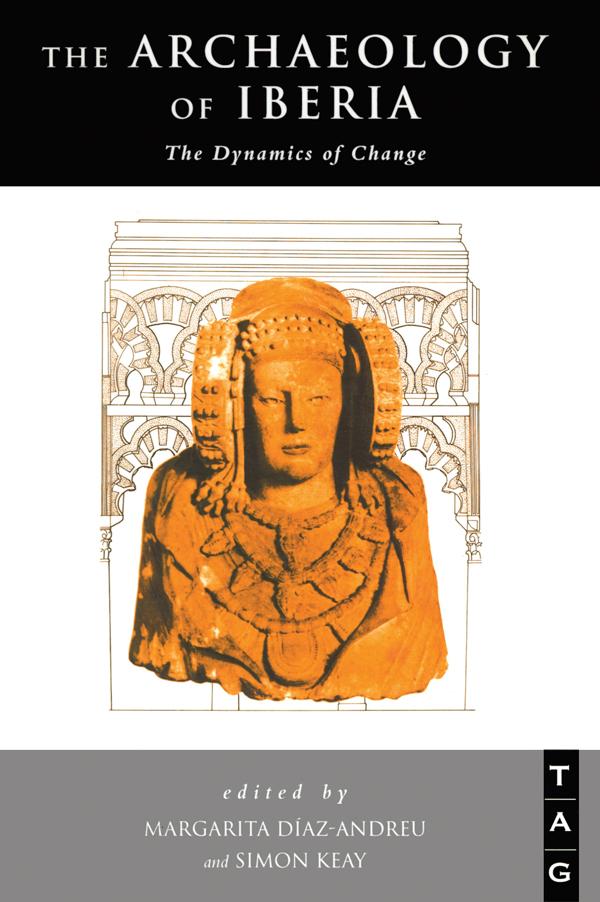
For many archaeologists, Iberia is the last great unknown region in Europe. Although it occupies a crucial position between South-Western Europe and North Africa, academic attention has traditionally been focused on areas like Greece or Italy. However Iberia has an equally rich cultural heritage and archaeological tradition. This ground-breaking volume presents a sample of the ways in which archaeologists have applied theoretical frameworks to the interpretation of archaeological evidence, offering new insights into the archaeology of both Iberia and Europe from prehistoric time through to the tenth century.
The contributors to this book are leading archaeologists drawn from both countries. They offer innovative and challenging models for the Paleolithic, Neolithic, Copper Age, Bronze Age, Iron Age, Roman, Early Medieval and Islamic periods. A diverse range of subjects are covered including urban transformation, the Iron Age peoples of Spain, observations on historiography and the origins of the Arab domains of Al-Andalus. It is essential reading for advanced undergraduates and those researching the archaeology of the Iberian Peninsula.
Pay easily by card, Klarna, Apple Pay or Google Pay. Not happy? You always have a 14-day money-back guarantee. Read more in our terms. If you have any questions, email us at hello@memmo.org.
Memmo makes studying easier – wherever you are in the world. We bring your course books and smart study tools together in one place: summaries, quizzes, podcasts and flashcards. Plus Ted, your study buddy who answers anything you wonder. Over 75,000 students already study here – built to help you learn faster and stress less.
You might also like
Buy the book0