
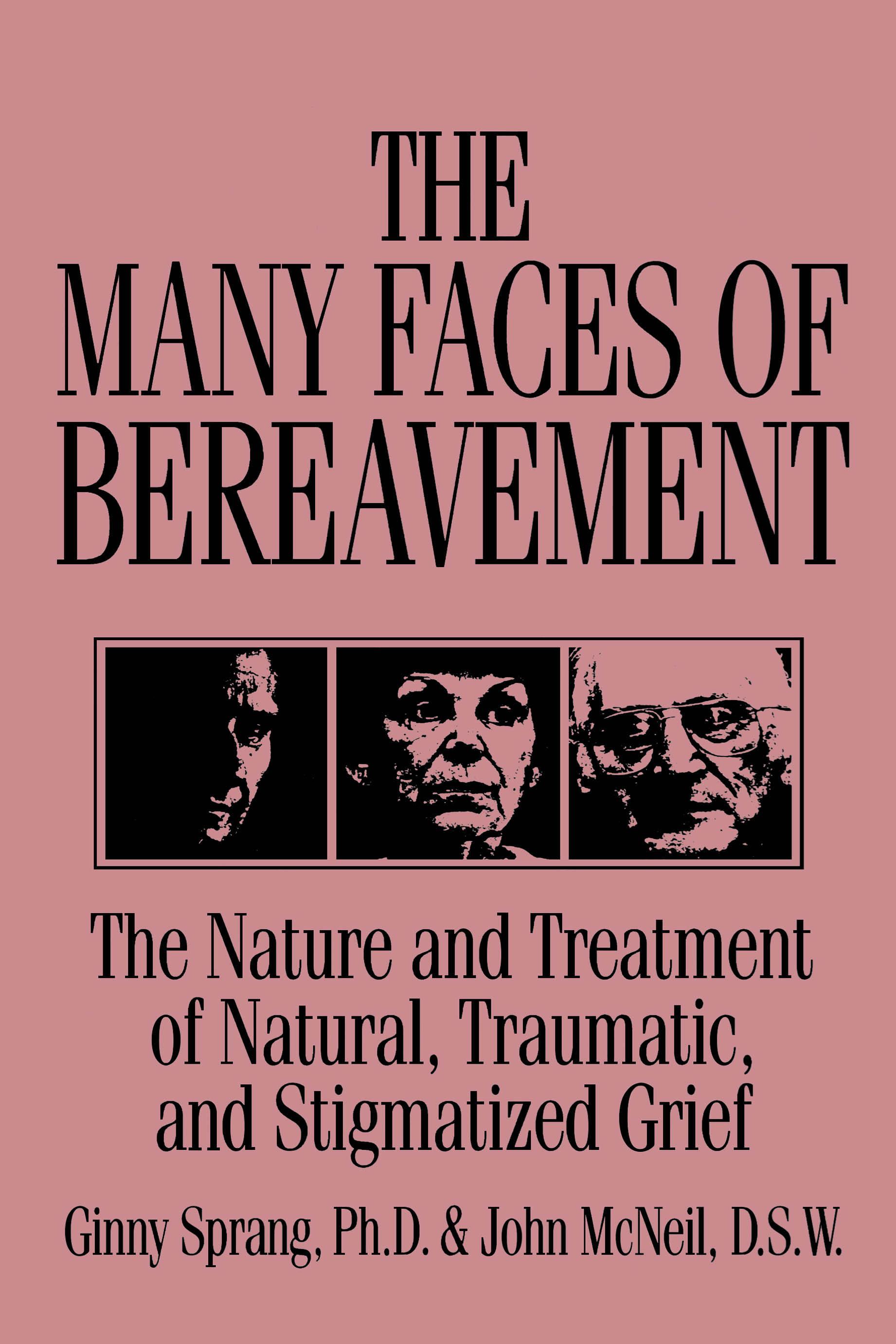
First published in 1995. Death and dying have been a concern of mankind as long as humans have existed. This book will explore the development and specifications of traditional models of grief to underline the importance of what is known about the process of grief, considering variables such as relationship, age, and personal characteristics of the mourner, as well as providing a framework of symptomatology specific to non-traumatizing, non-stigmatizing deaths for the purposes of comparative and theoretical specification. It is proposed that what is known about the grief response following the death of a spouse, a child, or an aged parent has valuable implications for grief model development considering other modes of death such as murder, drunk driving, AIDS, critical incidents, and suicide, though these conceptualizations are insufficient in explaining or predicting outcomes with these other types of grief.
Pay easily by card, Klarna, Apple Pay or Google Pay. Not happy? You always have a 14-day money-back guarantee. Read more in our terms. If you have any questions, email us at hello@memmo.org.
Memmo makes studying easier – wherever you are in the world. We bring your course books and smart study tools together in one place: summaries, quizzes, podcasts and flashcards. Plus Ted, your study buddy who answers anything you wonder. Over 50,000 students already study here – built to help you learn faster and stress less.
You might also like
Buy the book0