
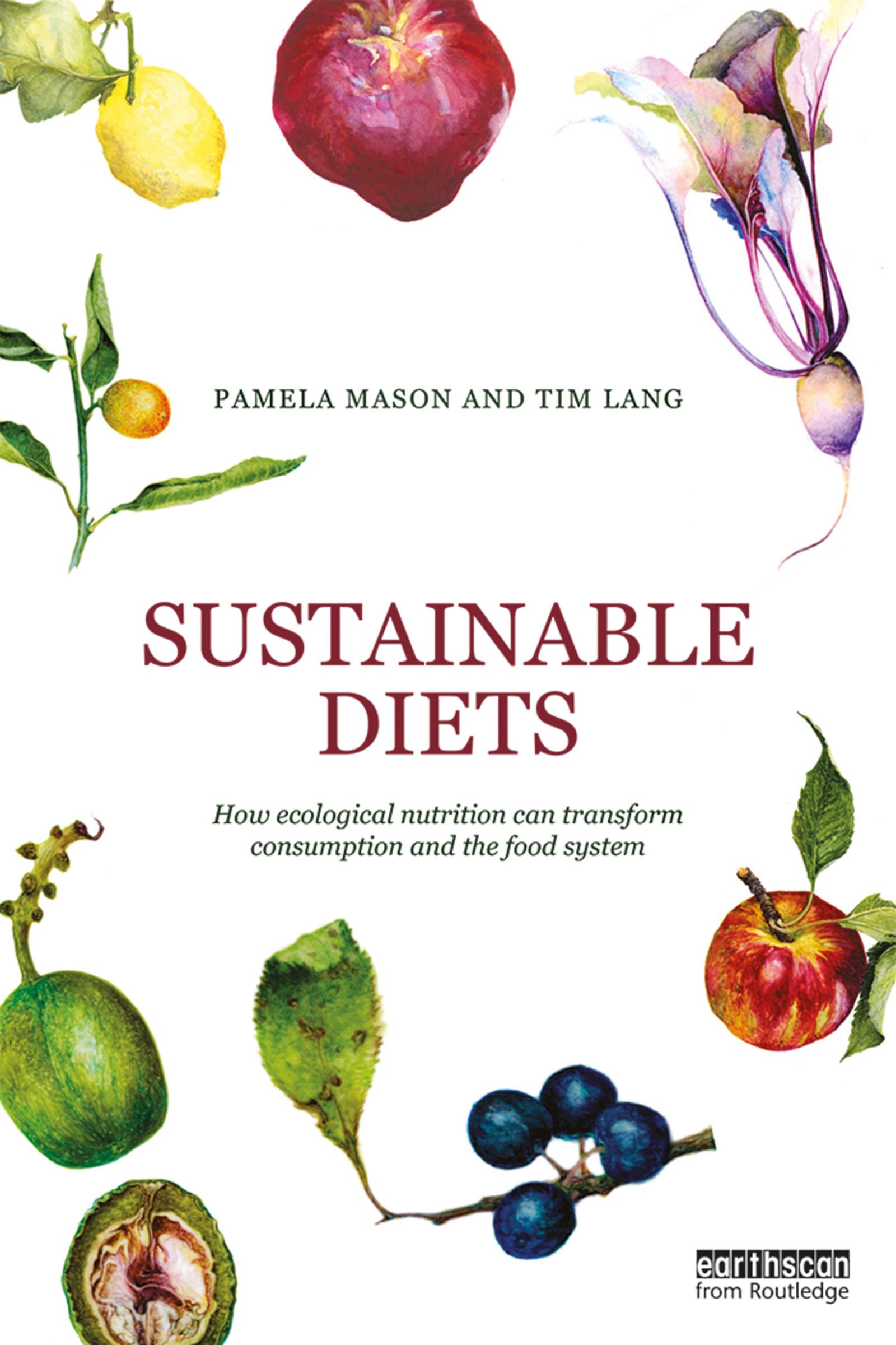
How can huge populations be fed healthily, equitably and affordably while maintaining the ecosystems on which life depends? The evidence of diet’s impact on public health and the environment has grown in recent decades, yet changing food supply, consumer habits and economic aspirations proves hard.
This book explores what is meant by sustainable diets and why this has to be the goal for the Anthropocene, the current era in which human activities are driving the mismatch of humans and the planet. Food production and consumption are key drivers of transitions already underway, yet policy makers hesitate to reshape public eating habits and tackle the unsustainability of the global food system.
The authors propose a multi-criteria approach to sustainable diets, giving equal weight to nutrition and public health, the environment, socio-cultural issues, food quality, economics and governance. This six-pronged approach to sustainable diets brings order and rationality to what either is seen as too complex to handle or is addressed simplistically and ineffectually. The book provides a major overview of this vibrant issue of interdisciplinary and public interest. It outlines the reasons for concern and how actors throughout the food system (governments, producers, civil society and consumers) must engage with (un)sustainable diets.
Pay easily by card, Klarna, Apple Pay or Google Pay. Not happy? You always have a 14-day money-back guarantee. Read more in our terms. If you have any questions, email us at hello@memmo.org.
Memmo makes studying easier – wherever you are in the world. We bring your course books and smart study tools together in one place: summaries, quizzes, podcasts and flashcards. Plus Ted, your study buddy who answers anything you wonder. Over 50,000 students already study here – built to help you learn faster and stress less.