
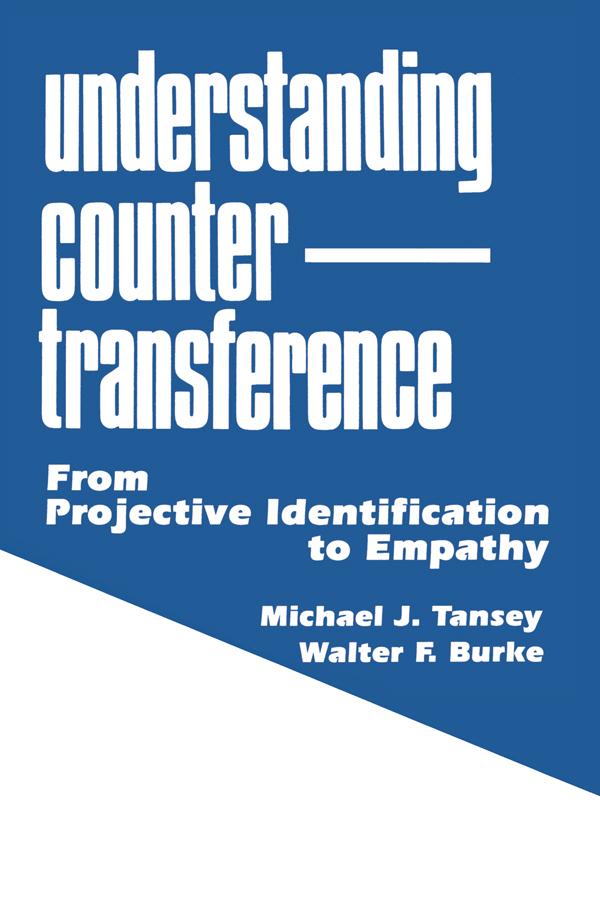
Seeking to mediate between the "classical" view of countertransference as a neurotic impediment to the treatment process and the more recent "totalist" perspective, which assumes that the therapist's emotional response necessarily reveals something about the patient, Tansey and Burke stake out a thoughtful middle ground. They submit that the therapist's utilization of adequately processed countertransference reactions is in fact integral to treatment success, while arguing against the totalist assumption that the therapist's emotional to the patient must be revelatory in a direct and immediate way.
Pay easily by card, Klarna, Apple Pay or Google Pay. Not happy? You always have a 14-day money-back guarantee. Read more in our terms. If you have any questions, email us at hello@memmo.org.
Memmo makes studying easier – wherever you are in the world. We bring your course books and smart study tools together in one place: summaries, quizzes, podcasts and flashcards. Plus Ted, your study buddy who answers anything you wonder. Over 50,000 students already study here – built to help you learn faster and stress less.
You might also like
Buy the book0