
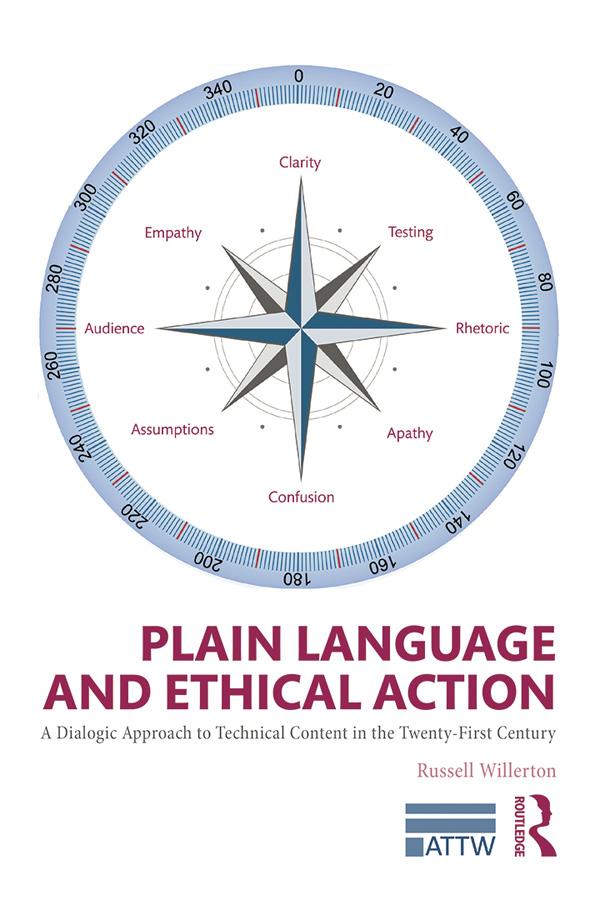
Plain Language and Ethical Action examines and evaluates principles and practices of plain language that technical content producers can apply to meet their audiences’ needs in an ethical way. Applying the BUROC framework (Bureaucratic, Unfamiliar, Rights-Oriented, and Critical) to identify situations in which audiences will benefit from plain language, this work offers in-depth profiles show how six organizations produce effective plain-language content. The profiles show plain-language projects done by organizations ranging from grassroots volunteers on a shoe-string budget, to small nonprofits, to consultants completing significant federal contacts. End-of-chapter questions and exercises provide tools for students and practitioners to reflect on and apply insights from the book. Reflecting global commitments to plain language, this volume includes a case study of a European group based in Sweden along with results from interviews with plain-language experts around the world, including Canada, England, South Africa. Portugal, Australia, and New Zealand.
This work is intended for use in courses in information design, technical and professional communication, health communication, and other areas producing plain language communication. It is also a crucial resource for practitioners developing plain-language technical content and content strategists in a variety of fields, including health literacy, technical communication, and information design.
Pay easily by card, Klarna, Apple Pay or Google Pay. Not happy? You always have a 14-day money-back guarantee. Read more in our terms. If you have any questions, email us at hello@memmo.org.
Memmo makes studying easier – wherever you are in the world. We bring your course books and smart study tools together in one place: summaries, quizzes, podcasts and flashcards. Plus Ted, your study buddy who answers anything you wonder. Over 75,000 students already study here – built to help you learn faster and stress less.