
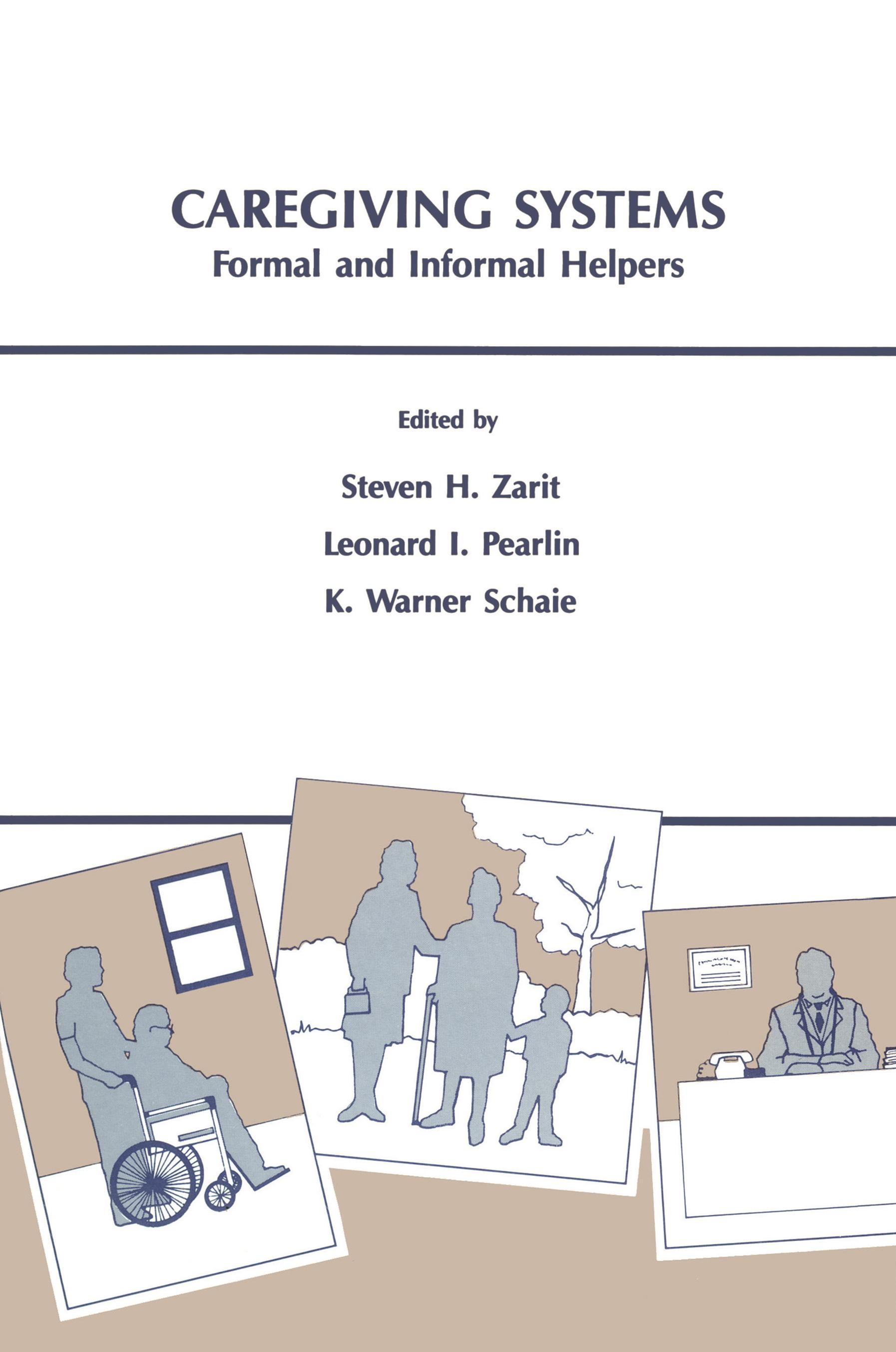
Caregiving has emerged as a critical issue in the second half of the life cycle. With the growth of the older population, there have been dramatic increases in the number of people needing care and assistance. The responsibility for care typically falls on families at a time when they have limited resources to meet these needs. At a societal level, the need for care for growing numbers of disabled elders poses a major challenge for how to organize supportive services in an efficient and responsive system.
Bringing together multiple perspectives on caregiving, the authors' explore informal and formal family caregiving and the pivotal issue of how these systems interface and interact. An overview of this variation is provided by examining family caregiving from three perspectives:
* the effects of culture on helping patterns and family responsibility,
* how different disabilities affect patterns of family care, and
* longitudinal perspectives on the impact that caregiving has on family members.
Pay easily by card, Klarna, Apple Pay or Google Pay. Not happy? You always have a 14-day money-back guarantee. Read more in our terms. If you have any questions, email us at hello@memmo.org.
Memmo makes studying easier – wherever you are in the world. We bring your course books and smart study tools together in one place: summaries, quizzes, podcasts and flashcards. Plus Ted, your study buddy who answers anything you wonder. Over 50,000 students already study here – built to help you learn faster and stress less.