
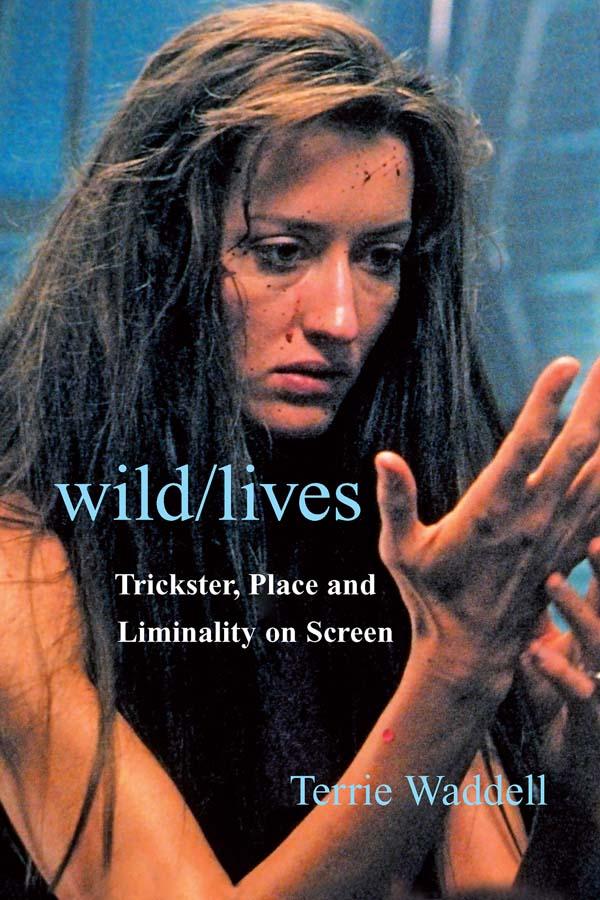
Wild/lives draws on myth, popular culture and analytical psychology to trace the machinations of 'trickster' in contemporary film and television. This archetypal energy traditionally gravitates toward liminal spaces – physical locations and shifting states of mind. By focusing on productions set in remote or isolated spaces, Terrie Waddell explores how key trickster-infused sites of transition reflect the psychological fragility of their willing and unwilling occupants. In differing ways, the selected texts – Deadwood, Grizzly Man, Lost, Solaris, The Biggest Loser, Amores Perros and Repulsion – all play with inner and outer marginality.
As this study demonstrates, the dramatic potential of transition is not always geared toward resolution. Prolonging the anxiety of change is an increasingly popular option. Trickster moves within this wildness and instability to agitate a form of dialogue between conscious and unconscious processes.
Waddell's imaginative interpretation of screen material and her original positioning of trickster will inspire students of media, cinema, gender and Jungian studies, as well as academics with an interest in the application of Post-Jungian ideas to screen culture.
Pay easily by card, Klarna, Apple Pay or Google Pay. Not happy? You always have a 14-day money-back guarantee. Read more in our terms. If you have any questions, email us at hello@memmo.org.
Memmo makes studying easier – wherever you are in the world. We bring your course books and smart study tools together in one place: summaries, quizzes, podcasts and flashcards. Plus Ted, your study buddy who answers anything you wonder. Over 50,000 students already study here – built to help you learn faster and stress less.