
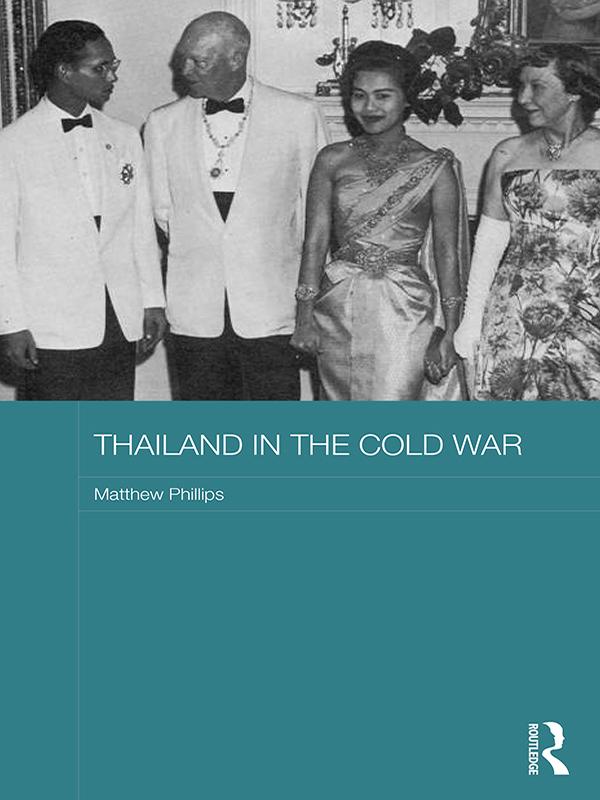
Thailand’s position during the Cold War was ambiguous: the country’s political leadership was very keen to maintain the country’s independence on the world stage, yet at the same time was anxious to establish the country’s credentials as staunchly anti-communist. However, as this book argues, Thailand, though never formally a client state of the United States, was very closely embedded in the Western camp through the commitment of Thailand’s cosmopolitan urban communities to developing a modern, consumerist lifestyle. Considering popular culture, including film, literature, fashion, tourism and attitudes towards Buddhism, the book shows how an ideology of consumerism and integration into a "free world" culture centred in the United States gradually took hold and became firmly established, and how this popular culture and ideology was fundamental in determining Thailand’s international political alignment.
Pay easily by card, Klarna, Apple Pay or Google Pay. Not happy? You always have a 14-day money-back guarantee. Read more in our terms. If you have any questions, email us at hello@memmo.org.
Memmo makes studying easier – wherever you are in the world. We bring your course books and smart study tools together in one place: summaries, quizzes, podcasts and flashcards. Plus Ted, your study buddy who answers anything you wonder. Over 50,000 students already study here – built to help you learn faster and stress less.