
Choice Essential Read
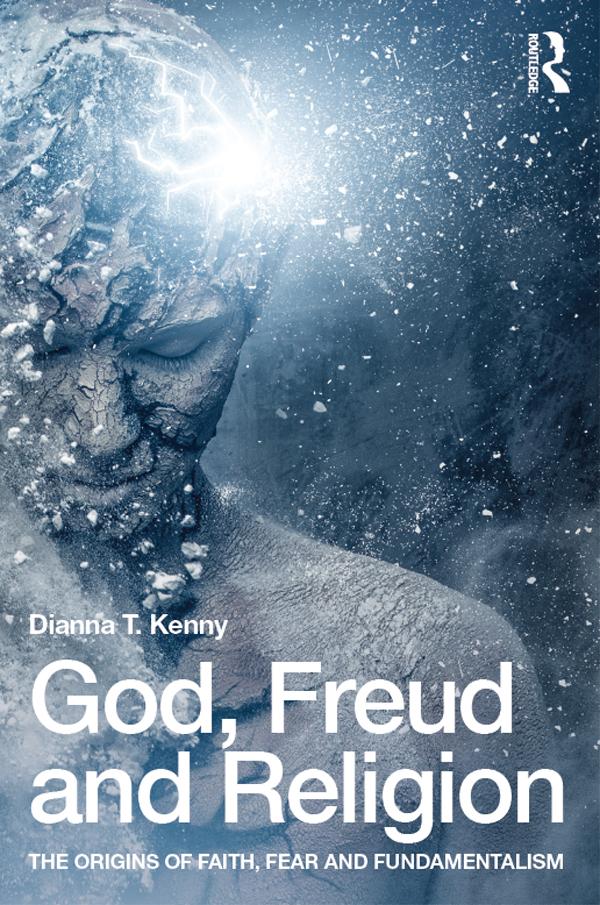
Did God create man or did man create God? In this book, Dianna Kenny examines religious belief through a variety of perspectives – psychoanalytic, cognitive, neuropsychological, sociological, historical and psychiatric – to provide a coherent account of why people might believe in God. She argues that psychoanalytic theory provides a fertile and creative approach to the study of religion that attempts to integrate religious belief with our innate human nature and developmental histories that have unfolded in the context of our socialization and cultural experiences. Freud argued that religion is so compelling because it solves the problems of our existence. It explains the origin of the universe, offers solace and protection from evil, and provides a blueprint about how we should live our lives, with just rewards for the righteous and due punishments for sinners and transgressors. Science, on the other hand, offers no such explanations about the universe or the meaning of our lives and no comfort for the unanswered longings of the human race.
Is religion a form of wish-fulfilment, a collective delusion to which we cling as we try to fathom our place and purpose in the drama of cosmology? Can there be morality without faith? Are science and religion radically incompatible? What are the roots of fundamentalism and terror theology?
These are some of the questions addressed in God, Freud and Religion, a book that will be of interest to psychoanalysts, psychologists and psychotherapists, students of psychology, psychoanalysis, philosophy and theology and all those with an interest in religion and human behaviour.
Dianna Kenny is Professor of Psychology at the University of Sydney, Australia. She is the author of over 200 publications, including six books.
Pay easily by card, Klarna, Apple Pay or Google Pay. Not happy? You always have a 14-day money-back guarantee. Read more in our terms. If you have any questions, email us at hello@memmo.org.
Memmo makes studying easier – wherever you are in the world. We bring your course books and smart study tools together in one place: summaries, quizzes, podcasts and flashcards. Plus Ted, your study buddy who answers anything you wonder. Over 50,000 students already study here – built to help you learn faster and stress less.